


NHK announced yesterday that musician Hoshino Gen would be singing a different tune – literally – after both sides fielded complaints that their original choice was insensitive toward sexual assault victims.
Hoshino Gen (星野源) is a multitalented singer/songwriter whose work is highly popular in Japan. He’s also an actor known for starring in dramas such as Nigehaji (co-starring now-wife Aragaki Yui) and MIU404.
Hoshino is set to sing at this year’s Kohaku Uta Gassen on NHK, a year-end singing competition that divides artists into two teams competing against one another. Hoshino’s original selection for the event was the song Jigoku de Naze Warui (地獄でなぜ悪い), or “Why don’t you play in hell?” from the 2013 movie of the same name in which Hoshino also starred.
The problem? That movie was directed by Sono Sion (園子温), who was accused of multiple acts of sexual assault. The charges came to light in 2022, but it was common knowledge in the Japanese movie industry for years that Sono pressured actresses in his films into having sex with him. The director admitted and apologized (half-heartedly) for his behavior.
The choice led many to criticize both NHK and Hoshino. Actor Yuki Matsuzaki, a longtime critic of Sono, argued on X that the choice was in bad taste as Jigoku is based largely on Sono’s life and comes when the director is attempting a comeback.
See a side of Tokyo that other tourists can't. Book a tour with Unseen Japan Tours - we'll tailor your trip to your interests and guide you through experiences usually closed off to non-Japanese speakers.


In response, both NHK and Hoshino Gen released statements that they would pull the song, replacing it instead with the singer’s tune “Barabara.”
“Needless to say, both the artist and NHK vehemently oppose sexual assault,” NHK said in its statement.
Hoshino’s staff wrote in a statement on his website, explaining Hoshino originally wrote the song in 2012 while recovering in the hospital from a subarachnoid hemorrhage and that the song’s lyrics and meaning are unconnected to the film’s story.
However, the statement continued, “We can’t absolutely deny what some have pointed out: that signing this song on the Kohaku stage exposes victims to a second assault.”
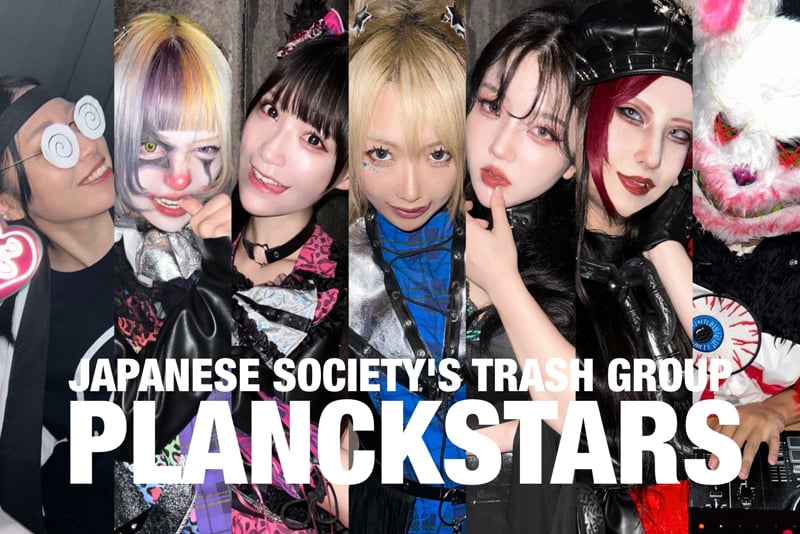
Planck Stars isn’t a group to shy away from controversy. Indeed, it seems to be reveling in its latest affront to Japanese society.

It’s common for fans to become obsessed with their idols. But what happens when an idol is worried about one of her fans?
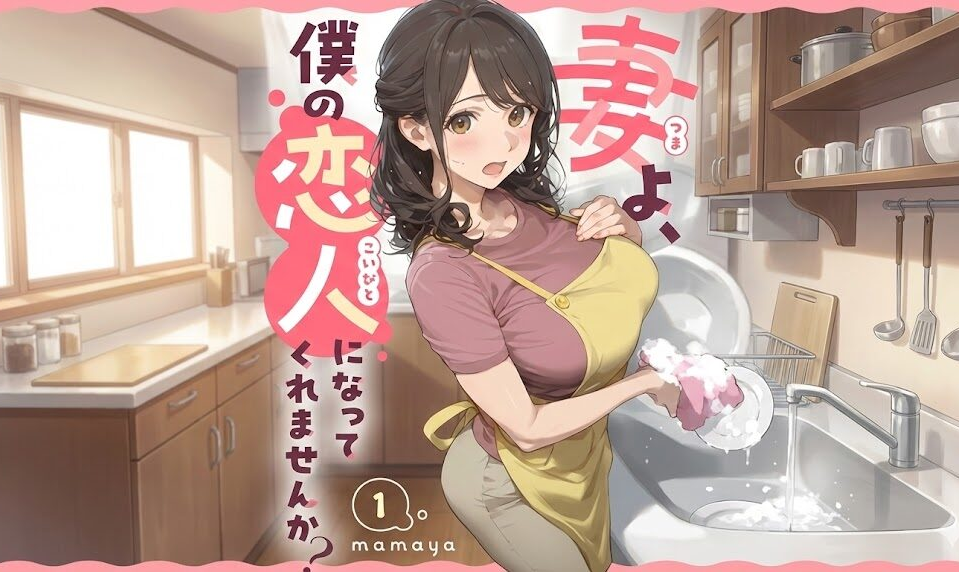
How did a fully AI-generated manga hit number one in Japan? And what does its success portend for the future of the industry?
