
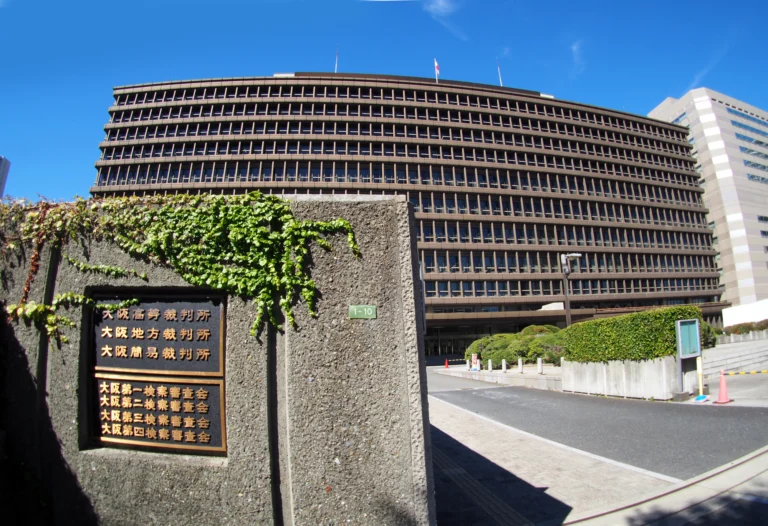
A new ruling out of Osaka holds promise for non-binary and transgender people in Japan, who constantly struggle for recognition. However, as with recent decisions regarding marriage equality in Japan, the court didn’t offer any relief. Instead, it kicked the issue back to Japan’s legislature – which is unlikely to respond.
A victory and a rebuff
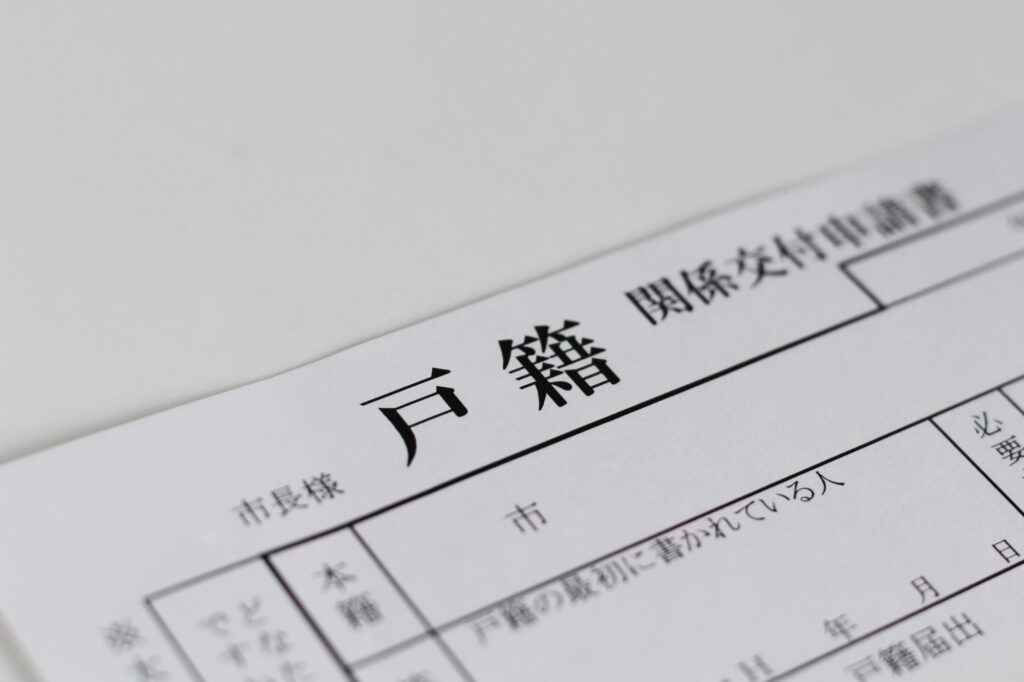
The case involves a non-binary person in their 50s in Kyoto. They were registered female at birth in their koseki, Japan’s family registry system that serves as its official record of citizenship.
The koseki requires everyone registered to be listed as either a son or a daughter. The plaintiff was unhappy being listed as 長女 (chōjo), eldest daughter, arguing that this violated Article 14 of Japan’s Constitution guaranteeing equal protection. They requested the right to change the term to something gender-neutral, such as 長子 (chōshi), eldest child.
The plaintiff filed the case with the Kyoto Family Court in 2024. The Court dismissed the application in March 2025. They immediately appealed to the High Court.
On May 8, the Osaka High Court under presiding judge Ōshima Masahiro ruled in favor of the plaintiff. The ruling was made public on May 12th.
In the verdict, the High Court agreed that the koseki was “in need of correction,” and that it violated Article 14. It further doubled down, arguing that the family registry as it stands also violates Japan’s LGBT Understanding Promotion Act, passed in 2023 meant to encourage “acceptance” of LGBTQ people.
However, the court ultimately dismissed the appeal. The reason? They ruled it’s up to Japan’s national Diet to fix the law.
Despite the rebuff, the plaintiff’s team saw a victory in the constitutional finding. Attorney Nakaoka Shun called it “a big step towards legal recognition for non-binary people,” and announced a special appeal to the Supreme Court.
Japan’s Supreme Court in 2023 had previously ruled that the law requiring transgender people to be sterilized before changing their gender was unconstitutional. Attorney Nakaoka is herself a transgender woman assigned male at birth who says she’s not changing her gender on her own koseki until everyone is free to do so.
The legal limbo for LGBTQ people in Japan
The ruling follows a frustrating pattern in Japan of courts ruling on behalf of LGBTQ people while failing to provide any relief.
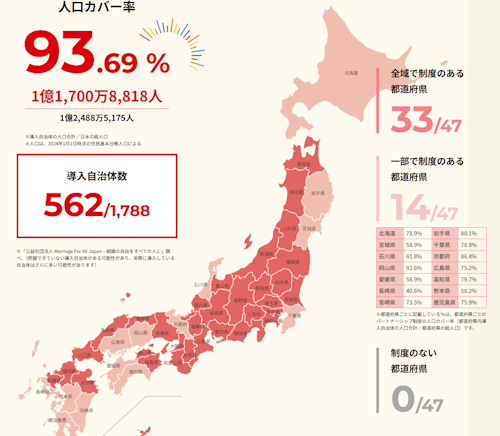
On the one hand, LGBTQ people have come a long way in Japan in the past couple of decades. Locally, partnership systems provide some of the same benefits as marriage at the city, ward, or prefectural level. By 2023, they covered over 70% of Japan’s population. As of this writing, they cover over 93%.
However, partnerships don’t confer all the rights of marriage – and marriage equality remains stubbornly elusive. Outside of one notable recent setback, multiple courts have ruled the lack of marriage equality unconstitutional. But Japan’s government – both under previous Prime Minister Ishiba Shigeru and more so now under the more conservative Takaichi Sanae – refuses to address the issue.
LGBTQ people in Japan and organizations such as Marriage for All Japan continue to press the legislature to take action and make marriage equality the law of the land.
LGBTQ people also continue to face discrimination in daily life. Couples under Japan’s partnership system still report suffering discrimination from institutions such as banks and hospitals. Transgender people also often suffer outright open discrimination, with one far-right rep recently likening being transgender to a contagious disease.
Keep reading



Sources
「ノンバイナリー」当事者の戸籍「性別を記さない記載」は憲法に抵触 Livedoor News / MBSニュース
戸籍の性別記載は “憲法14条の趣旨に抵触” 大阪高裁 NHKニュース
ノンバイナリーなのに戸籍は「長女」 高裁「憲法抵触」、抗告は棄却 朝日新聞 (via Yahoo!ニュース)
ノンバイナリーの戸籍記載、男女だけは「憲法に抵触」 大阪高裁 毎日新聞 (via Yahoo!ニュース)
男女以外の表記認めない戸籍は「憲法14条に抵触」、大阪高裁判断…ノンバイナリー当事者の申し立ては退ける 読売新聞オンライン (via Yahoo!ニュース)
男女以外認めない戸籍表記「憲法14条に抵触」 大阪高裁 時事通信
性自認なしに男女区別、憲法抵触 戸籍表記変更の審判、大阪高裁 共同通信 (via Yahoo!ニュース)
性別の取扱いの変更要件の一部を無効とした最高裁令和5年10月25日決定について 東京弁護士会