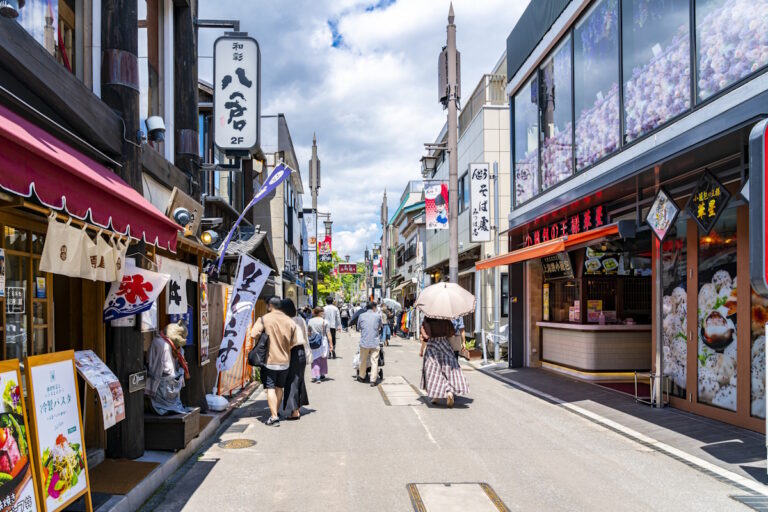
Source: @livedoornews on X (2026-04-16)
Overall verdictA Nation Too Broke and Too Tired to Go Anywhere. The response to this survey was less a debate than a collective exhale. Commenters fell into two broad camps: those who genuinely cannot afford to travel anymore, and those who could but refuse to fight the crowds, pay peak-season prices, or compete with foreign tourists for space at their own destinations. The most-liked comment, with 266 likes, turned the lens squarely on the government, arguing that large-scale tax cuts were needed to stimulate demand but that politicians did nothing after the election. Anti-inbound sentiment ran hot, with many commenters saying they avoid travel not because of cost but because Japanese destinations feel overrun by foreign tourists. A quieter but sizable contingent embraced the staycation, describing home time with genuine contentment rather than resignation.
Note: Comments on X (formerly Twitter) in Japan tend to skew toward the political right, though individual threads may lean left depending on the original poster and topic. These comments are not necessarily representative of the Japanese population as a whole.
What the tweet was about
On April 16, 2026, Livedoor News reported the results of a survey showing that 41.2% of Japanese respondents had no plans for Golden Week, Japan’s cluster of national holidays in late April and early May. That figure was up 4.7 percentage points from 2025 and the highest since the survey began in 2023. Average leisure budgets also fell by 1,500 yen. Among those who cut their budgets, 49.2% cited inflation and the weak yen as the main reason.
The survey landed at a sensitive moment. Japan’s consumer price index has been rising steadily, driven by energy costs, food prices, and a yen that has remained weak against the dollar. Meanwhile, inbound tourism continues to boom, with foreign visitor numbers setting records and pushing up hotel and restaurant prices in popular destinations. Many Japanese feel squeezed between stagnant wages and an economy that seems to cater increasingly to wealthier foreign tourists.
Golden Week is traditionally Japan’s biggest domestic travel season, but the thread suggests a growing number of people are opting out, whether by choice or by necessity.
Sentiment distribution (engagement-weighted)
GW plans
decrease
Highest-engagement comments
Activity timeline (JST, 2026-04-16)
Key themes in detail
💸 Inflation Squeeze · 26.3% of engagement
The single most common thread was straightforward economic pain. Commenters cited rising electricity bills, food prices, gasoline costs, and new tax burdens as reasons they simply cannot afford leisure travel. Several pointed out that real wages remain negative and that the survey results should surprise no one. One commenter listed April’s price increases by category and concluded there was “not a single yen left” for travel.
The tone ranged from resigned to bitter. Many framed Golden Week not as a holiday but as a financial stress test, noting that property taxes and car taxes also come due in May, draining whatever surplus might have existed.
🏛️ Government Blame · 31.1% of engagement
A significant share of commenters directed their frustration at the national government, particularly the ruling LDP and the Takaichi administration. The most-liked comment argued that the government should have implemented large-scale tax cuts to stimulate demand but instead focused on foreign aid. Others accused politicians of living in a bubble, enjoying overseas trips during GW while citizens cannot afford a day trip.
Calls for tax cuts, gasoline subsidies, and inflation relief appeared throughout the thread, alongside cynicism that nothing would change regardless of which party held power.
🚗 Crowd Avoidance · 22.6% of engagement
For many commenters, the problem was not just money but logistics. GW means gridlocked highways, packed trains, fully booked hotels at double their normal rates, and hour-long waits at restaurants. A recurring refrain was that savvy travelers take paid leave at off-peak times and avoid the GW rush entirely.
Several noted a paradox: despite the survey showing 40% with no plans, trains and tourist spots remain packed during GW every year, suggesting that the 60% who do go out create enough congestion to deter the rest.
✈️ Inbound Tourism Resentment · 11.2% of engagement
A vocal contingent framed their reluctance to travel in terms of inbound tourism. Comments described Japanese destinations as “overrun by foreigners” and expressed frustration that government policies prioritize foreign visitors, citing examples like free shinkansen tickets for tourists and subsidized travel programs. One commenter wrote: the foreigners eat well, stay at luxury hotels, and get subsidies, while Japanese citizens cannot even afford a day trip.
This theme blends economic frustration with cultural anxiety, reflecting a growing sense among some Japanese that their country’s tourism infrastructure now serves foreign visitors at the expense of domestic ones.
🏠 Happy Homebody · 7.9% of engagement
Not all “no plans” responses were laments. A substantial number of commenters described their at-home Golden Week with genuine enthusiasm: binge-watching Netflix, gaming on PS5, tending the garden, visiting the local bathhouse, or simply sleeping in. For these commenters, staying home during GW is not a concession but a rational, even preferable, choice.
This theme suggests a cultural shift. Post-pandemic habits of staying home have persisted, and for some, the appeal of a quiet staycation now outweighs any FOMO about missing GW travel.
👷 Working Through GW · 0.9% of engagement
A consistent thread came from service workers, healthcare staff, and others for whom Golden Week is just another work week. Their comments carried a mix of resignation and dark humor: “GW? I’ve been working every one for 30 years.” Some noted they prefer working through GW to earn extra money, then taking cheaper, quieter vacations at off-peak times.
These voices served as a reminder that the GW debate itself is a privilege, one that large swaths of the workforce do not share.