Japan has four main islands: Hokkaido, Honshu, Shikoku, and Kyushu. Tourists flock to three of them. Shikoku, the smallest, remains stubbornly off the radar, and that’s exactly what makes it worth the trip.
Nowadays, overtourism plagues many parts of Japan. Meanwhile, Shikoku is loaded with fascinating landscapes and unique quirks that most foreigners simply haven’t discovered yet. Don’t let the fact that it only has four prefectures deter you: each one packs a lot of punch.
Why Shikoku gets skipped
Exactly why do travelers overlook Shikoku? The main reason is likely a practical one: getting around can be a daunting task. International flights are limited and English-language translations are few and far between.
Especially when compared with Kansai to the northeast and Kyushu to the southwest, transit times might not seem worth it.
However, with proper planning, it’s easier to overcome these obstacles than one might think. Plus, once you see the kind of hidden gems that await, a little inconvenience doesn’t seem like so much of a hassle anymore.
Steep in a 3,000-year-old hot spring at Dōgo Onsen
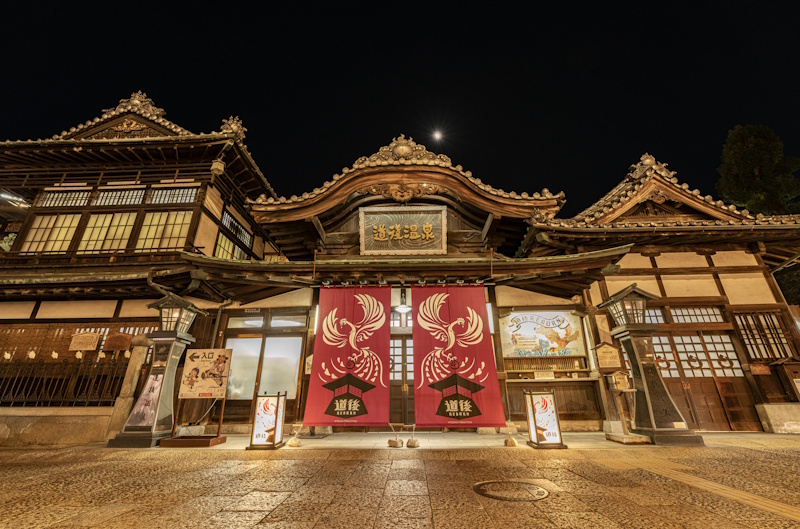
We’ve mentioned this one before on the top ten winter onsen, and it’s one you don’t want to miss. Dōgo Onsen lays claim to being one of Japan’s oldest hot springs, its origins reaching back some 3,000 years.
To this day, the ornate wooden bathhouse, renovated in 2024, continues to welcome guests with elegant simplicity and steaming mineral water said to heal fatigue.
Not only that, but fans of Studio Ghibli may recognize echoes of this onsen’s architecture. Director Miyazaki Hayao got inspiration for the fantastical bathhouse in Spirited Away from Dōgo Onsen.
Address: 5-6 Dōgo Yunomachi, Matsuyama City, Ehime 790-0842
See the pristine waters of the Shimanto River
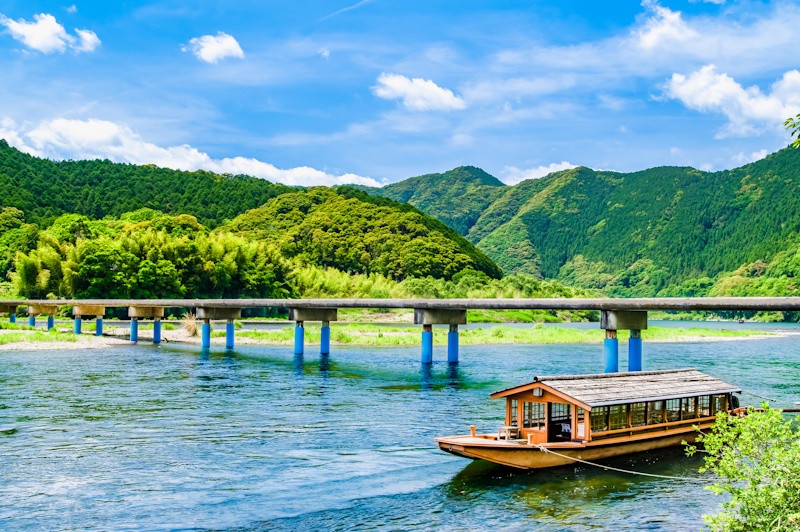
Over in Kochi Prefecture in southern Shikoku, some call the Shimanto River “Japan’s last clear stream,” a title earned through decades of protection and crystalline water. Starting from mountain headwaters, it winds its way through fields and countryside until it reaches the ocean.
Visitors love to come in spring and summer to get the most out of enjoying the water: fishing, swimming, canoeing, or taking a boat tour. Cycling along the banks is another great way to experience the scenery.
Fishermen cast lines from low bridges built without railings, and in summer, locals chat over the sound of cicadas. This is Japan at its most grounded and calm, far removed from the hectic streets of Tokyo.
Ancient vine bridges and pilgrimage paths
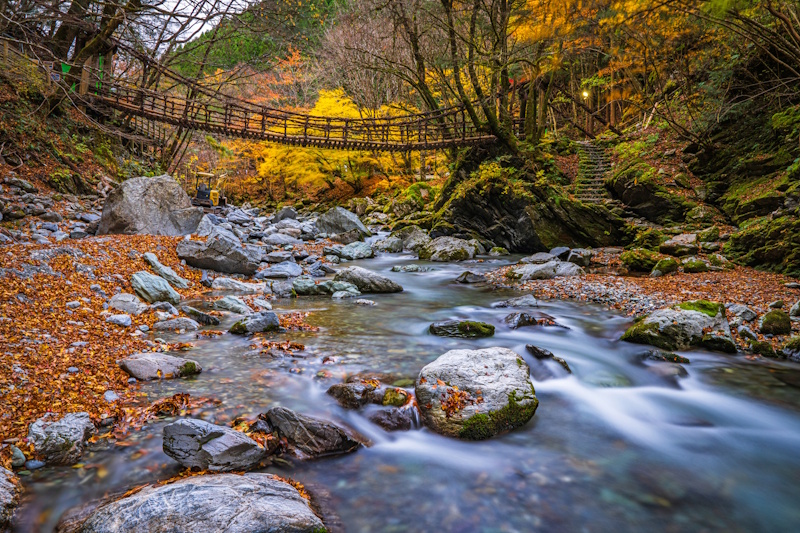
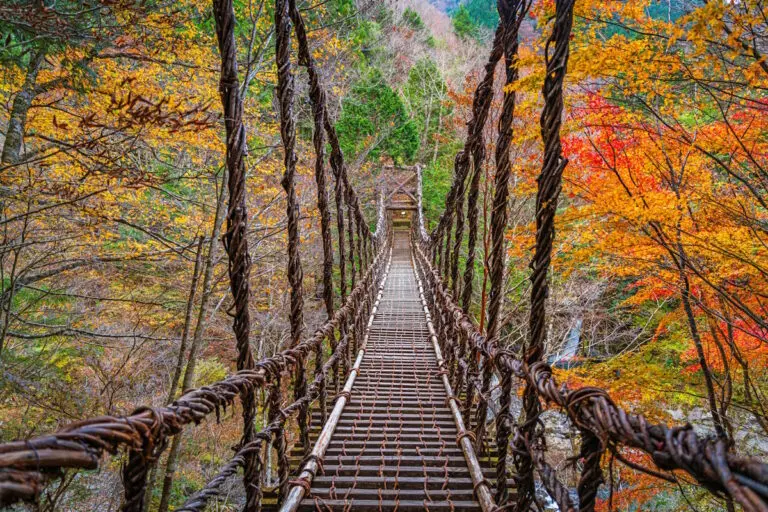
Deep in Tokushima Prefecture lies Iya Valley. The landscape feels cut straight from a storybook: vine bridges swaying over rocky gorges, traditional Japanese houses perched along riverbanks, and an atmosphere of true remoteness that modern Japan rarely allows.
Also, for no reason, a statue of a naked child peeing off a ledge. Who says the Japanese don’t have a sense of humor?
Tokushima Prefecture is also the starting point of the Shikoku 88-Temple Pilgrimage. Like Iya Valley, it’s a journey that can feel like a walk through time. Those who embark on this pilgrimage visit 88 different temples rimming Shikoku Island, engaging in a unique, spiritual adventure following Kobo Daishi’s footsteps.
Kagawa Prefecture: from udon noodles to art museums

Kagawa Prefecture has a lot going on, and I’d be remiss in not telling you that here, noodles are a way of life. Its specialty is sanuki udon (讃岐うどん), and it’s so beloved that some undertake an udon pilgrimage.
For these pilgrimages, many hop between the hundreds of tiny shops serving hand-kneaded noodles for around 300 to 400 yen (2 to 2.50 USD) a bowl. Some visitors even book a ride with the Udon Taxi, whose drivers whisk pilgrims from one humble storefront to the next, charting a map that’s part cuisine, part culture.
Meanwhile, on the outskirts of Kagawa, an island called Naoshima holds a treasure trove of art museums and architectural wonders. Ando Tadao, famous for his minimalist architecture blending Japanese and Western styles, designed several museums on the island, including Chichu Art Museum and Benesse House.
That’s not all, of course. Naoshima holds over a dozen art museums and galleries, many featuring avant-garde, contemporary works, or set outside in the open air. This evolving art archipelago connects beautifully to Shikoku’s broader theme: a balance of tradition, isolation, and innovation.
Getting to Shikoku and getting around
For those coming from overseas, you’ll need to arrange a connection, but that’s much easier than you might think. Shikoku has four airports, the largest in Ehime Prefecture.
Ferries also connect it to Honshu and Kyushu, as does the Seto Ohashi Bridge stretching from Okayama Prefecture to Kagawa and the Shimanami Kaidō from Hiroshima Prefecture to Ehime. Tokyo dwellers can take the Tōkaidō and Sanyō Shinkansen to Okayama and hop the Marine Liner train over the bridge. Just be warned: that journey can take up to seven hours. (Flights from Tokyo are only 90 minutes.)
Shikoku’s small size means that regular train service provides more than enough convenience in traveling between the island’s main cities. For remote and rural locations, consider taking a bus, renting a car, or even renting a bike.
Whatever Shikoku lacks in quick convenience, it more than makes up for in the quiet escape it offers, one that’s hard (though not impossible) to find in the city.
Need help fitting a trip to Shikoku into your stay in Japan? Let Unseen Japan Tours create a custom itinerary for you based on your interests.