


Japan is living in the future. Or so many people who’ve never been to Japan (or have maybe spent five days in the country) say. Truth is, technology in Japan lags in some critical areas.
One of the more charming instances of this is that, while most train ticket gates in Japan are now fully automated, a few still require buying a paper ticket and handing it to a station employee. Now, local media reports that one such station – Tottori Station in (sensibly enough) Tottori, Tottori Prefecture – will finally catch up with the rest of the country next spring.
Tottori is in western Japan, which puts Tottori Station under the management of JR West. The station is a stop for the San’in Main Line and the Inbi Line. It’s currently the only station run by JR West where your ICOCA, Suica, PASMO, and other national transportation cards are no good.
The station’s lack of basic 21st-century technology has long been a sticking point for residents. You can find numerous videos on YouTube and TikTok – posted with a sort of “I can’t believe I have to do this” air – showing the uploader handing a paper ticket to a station attendant to board the train.
Charming but also painful
To be fair, says Asahi author Saito Katsuhisa, the current system has a certain charm. As opposed to automated ticket gates, it gives people an opportunity to acknowledge – and be acknowledged – by another human being. That’s a breath of fresh air in today’s age.
But, beyond that, the system’s inconvenient for everyone involved. It’s a hassle for customers, but also for station attendants who have to verify the veracity of a customer’s ticket in the blink of an eye.
That’ll all change in the spring of 2025, as JR West will finally introduce an IC card gate that accepts its own ICOCA card. The gates, like many others in Japan, will also honor other IC cards that are part of the country’s national network.
"Noah [at Unseen Japan] put together an itinerary that didn’t lock us in and we could travel at our own pace. In Tokyo, he guided us personally on a walking tour. Overall, he made our Japan trip an experience not to forget." - Kate and Simon S., Australia

City buses in Tottori already accept ICOCA and other national IC cards.
While Japan’s IC transportation cards remain popular, some companies and municipalities are experimenting with alternatives. A few train companies are now supporting payment using credit card contactless payments.
The city of Kumamoto went even further recently, with six of its transportation companies announcing they’d stop accepting IC cards altogether. The companies determined it was cheaper to support QR code and credit card payments than upgrade their terminals to continue working with the national IC card network.
Ironically, another company, JR East, is going in an opposite direction. (JR East is a separate company from JR West; both companies formed as a result of the privatization of Japan National Railways in 1987.) The company recently announced it would start experimenting with GPS-enabled IC cards on smartphones and look at getting rid of ticket gates altogether.

Officials are worried about the environmental impact after tourists dumped 18,000 coins into the ponds in 2025, despite clearly posted signs.
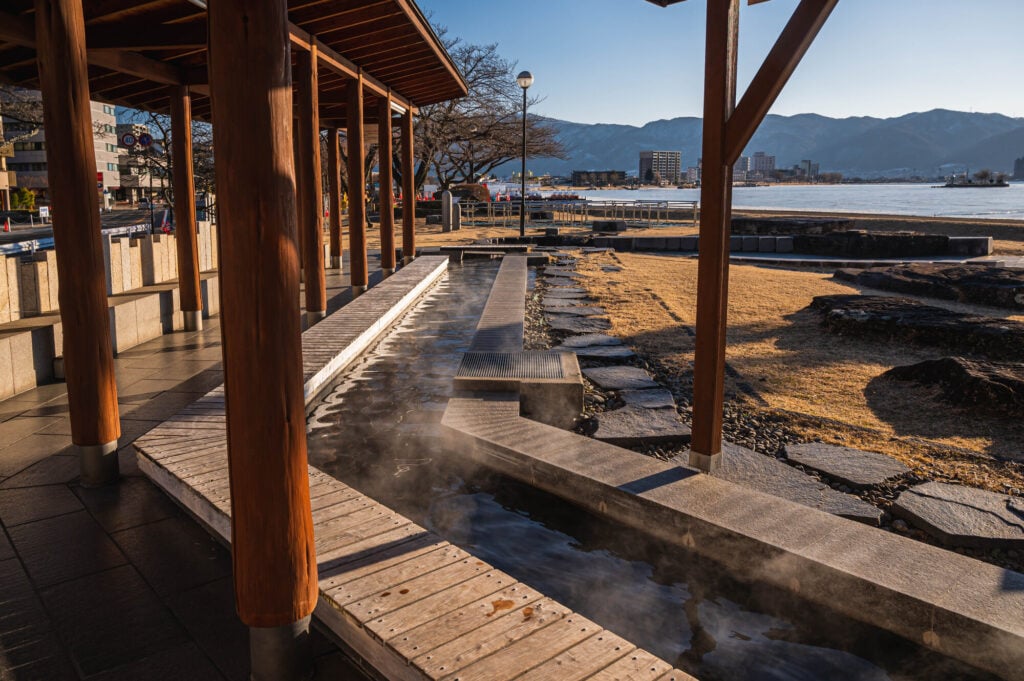
Japan is popular. Hot springs are super popular. But Suwa, an onsen town in Nagano Prefecture, remains a hidden gem.

The city’s mayor won’t rule out creating “zero-day vacation rental” zones in residential areas in response to chronic complaints.
Sources
鳥取駅に来春、自動改札導入へ ICカードも対応 駅長「感慨深い」. Asahi Shimbun
