
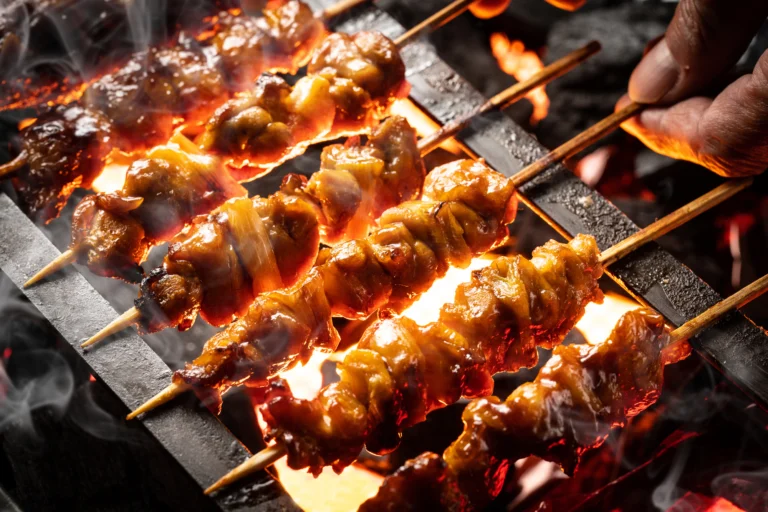
Yakitori might be one of Japan’s most familiar foods, but it’s also one of its most misunderstood. The same word can describe a ¥390 (USD $2.40) skewer from a bustling chain packed with office workers or a ¥16,000 (USD $99) omakase dinner served with carefully selected natural wines.
At its heart, though, yakitori is simply grilled chicken on a stick. It’s also one of Japan’s best examples of making every part of an animal count.
Yakitori in detail: what it is and different types
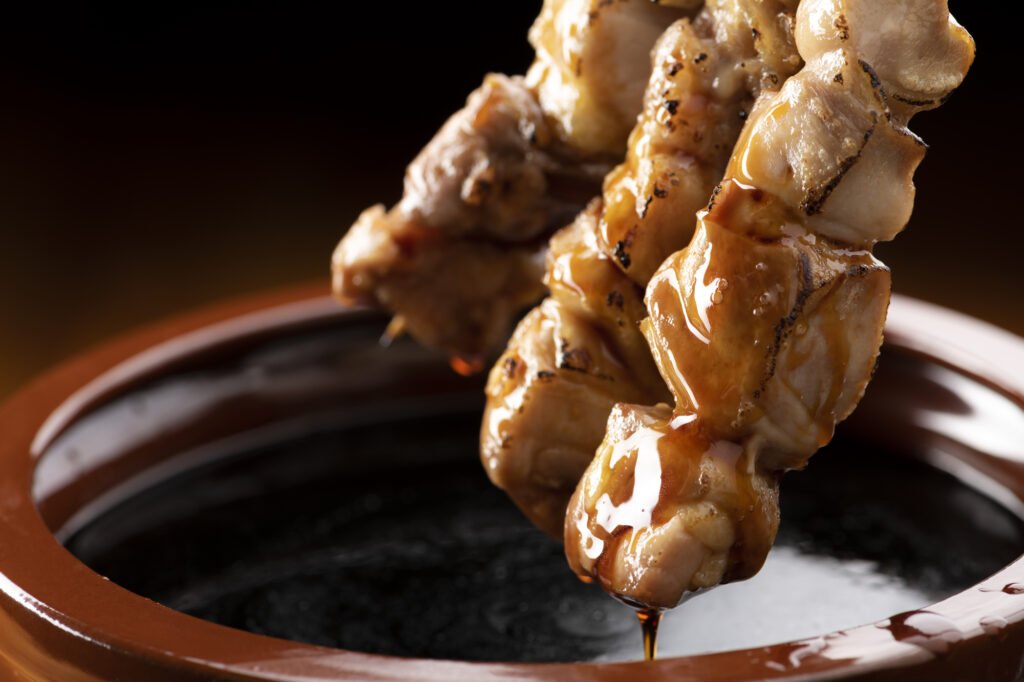
Yakitori (焼き鳥, literally “grilled bird”) consists of bite-sized pieces of chicken stuck onto bamboo or metal skewers (串, kushi) and grilled over hot charcoal. You usually season them one of two ways: with tare (タレ, pronounced “TAH-ray”), a glossy sauce made from soy sauce, mirin, sake, and sugar, or with a simple sprinkling of salt that lets the meat speak for itself.
Grilled skewers in general (including skewered pork, beef, and/or veggies) are kushiyaki (串焼き). Yakitori falls under that umbrella term of “kushiyaki,” along with yakiton (焼きとん, pork skewers) and kushikatsu (串カツ, deep-fried skewers).
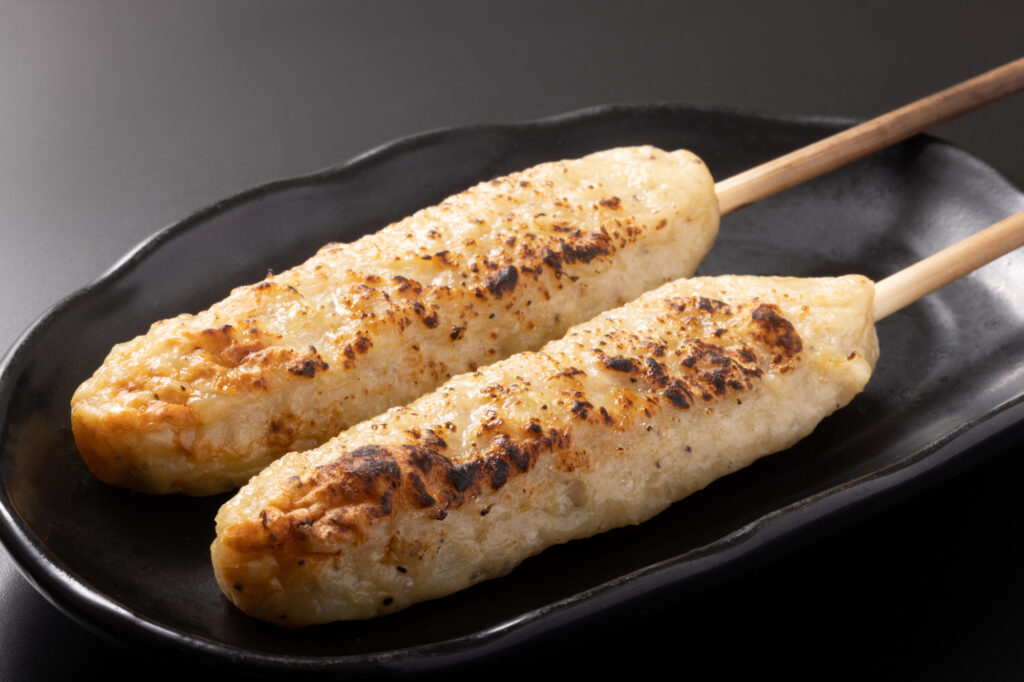
Yakitori comes in wide varieties. Negima alternates pieces of chicken and leek, momo uses juicy thigh meat, mune uses the breast, sasami the tenderloin, tsukune are chicken meatballs, and kawa uses chicken skin. One small but surprisingly passionate niche of yakitori culture consists of people offering opinions on which cuts should be eaten with tare, and which with salt.
And those are just the more popular types. There’s also seseri (neck meat, very flavorful), bonjiri (chicken tail), and skewers of liver, heart, gizzard, and even cartilage. Sori, known in French as sot-l’y-laisse, are two small “oyster” muscles beside the backbone that are very tender. Chōchin, meaning “lantern,” combines immature egg yolks still attached to the oviduct from a laying hen. Almost nothing goes to waste.
A good yakitori chef will even put the carcass to good use. Meat left on the bones may be used as tsukune or dumpling filling, while the bones themselves can be used to flavor soup served alongside the meal.
The philosophy of using an ingredient in its entirety
This yakitori philosophy reflects a long-standing Japanese food philosophy. Japanese cuisine (or washoku) embraces the idea of ichibutsu-zentai (一物全体), or using an ingredient in its entirety. This applies to literally any ingredient: chicken, fish, vegetables, you name it.
This idea overlaps with the broader concept of mottainai, the feeling that one shouldn’t waste something valuable. It’s a bit similar in spirit to the English phrase, “Waste not, want not.” And yakitori, alongside other offal foods like horumon, fully embodies that spirit.
Of course, this isn’t unique to Japan, or even Asia as a whole. Plenty of traditional recipes in Europe and North America include offal, from Scotland’s haggis to Italy’s quinto quarto and chitterlings in the American South.
The real difference is that in much of East Asia, these cuts never disappeared from ordinary dining. Meanwhile, in much of the modern West, they became niche foods. Only recently have they begun to make a comeback, such as with the “nose-to-tail eating” movement sparked by British chef Fergus Henderson.
The history of yakitori: from Edo to modern day
Yakitori itself has surprisingly old roots. Bird kushiyaki is mentioned in the Muromachi period (1336-1573), but that was made from pheasant rather than chicken. It doesn’t truly appear until the Edo period (1603-1868). Around then, we start to see a more familiar form of yakitori, with cookbooks describing skewered bird meat seasoned with salt, grilled, and finished with soy sauce mixed with sake.
The version people recognize today developed during the Meiji era (1868-1912). At the time, chicken was expensive, so street vendors used discarded offcuts and organs from restaurants. Cheap, flavorful tare helped transform these overlooked cuts into satisfying meals.
Yakitori only became an everyday food nationwide after World War II. As American-style broiler chickens spread across Japan in the late 1950s and 1960s, chicken became affordable enough for yakitori to flourish as one of the country’s favorite casual meals.
By the late Shōwa era, yakitori had become inseparable from Japan’s after-work drinking culture. Standing bars or counters tucked beneath railway tracks filled with salarymen enjoying cold beer and a few skewers before heading home.
How and where to eat yakitori nowadays
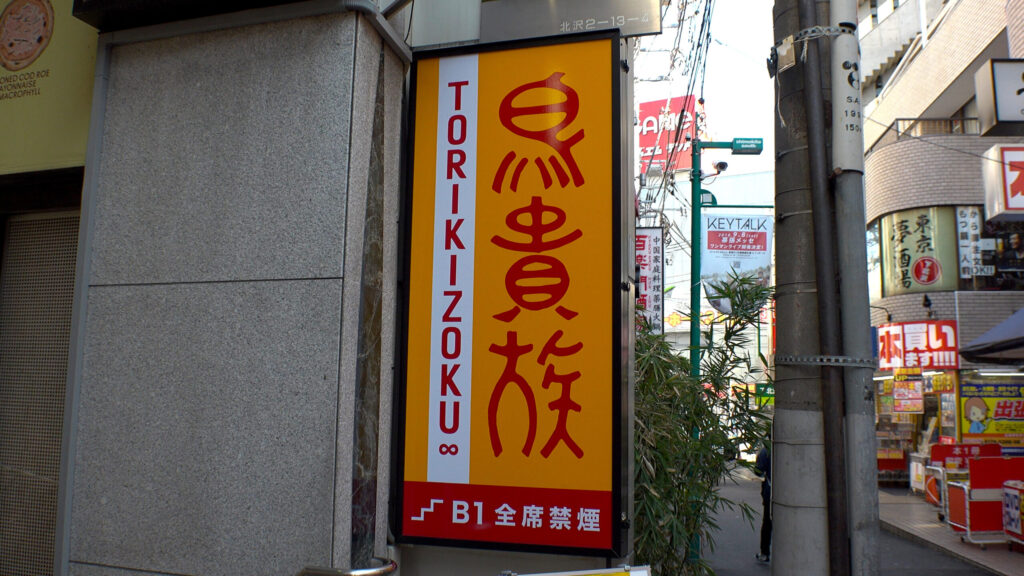
For most visitors, the easiest introduction to yakitori is the chain restaurant Torikizoku, better known as Toriki. Founded in Osaka in 1985, the chain built its reputation on offering every menu item at the same price. That famous flat rate stayed at ¥280 (USD $1.70) for nearly three decades before increasing in 2017, causing what the company jokingly called the “Torikizoku shock.”
Today, every item costs ¥390, making it one of Japan’s best-value dinners. This is also one of the few places in cities like Tokyo where you can bring a large-ish group without a reservation. That’s made it a popular hangout spot for office workers across the nation.
Other chains like Yakitori Center focus on inexpensive skewers and all-you-can-drink packages, while countless neighborhood shops remain the backbone of everyday yakitori culture.
At the opposite end of the spectrum, some restaurants dial yakitori all the way up to eleven, turning it into fine dining. Ginza Birdland became the first yakitori restaurant to earn a Michelin star by pairing heritage chicken with wine and refined techniques. Another high-end yakitori spot, Torishiki in Meguro, is one of Tokyo’s hardest reservations to secure.
The popularity of yakitori isn’t slowing, either. According to a July 2026 feature by Tokyo Calendar, nearly 400 new yakitori restaurants have opened in Tokyo in the past year. That’s almost twice the pace of ramen or sushi openings.
Whether it’s a smoky skewer enjoyed under the train tracks or a meticulously prepared tasting menu, yakitori remains the same idea as ever. It’s simple grilled chicken, easy to eat, and making sure no part of the bird goes to waste.
Want a unique culinary experience while you’re visiting Japan accompanied by insightful conversation about the country? Book our Yurakucho “dinner under the tracks” tour for an evening of local cuisine and liquor with our founder!
Keep reading

Sources
焼き鳥の歴史 一般社団法人 日本焼き鳥協会
焼き鳥の種類 一般社団法人 日本焼き鳥協会
室蘭やきとり Wikipedia (Japanese)
室蘭やきとり 北海道(うちの郷土料理) 農林水産省 (MAFF)
鳥貴族「370円均一」に値上げ グルメ Watch (Impress)
大倉忠司 Wikipedia (Japanese)
新業態『やきとりセンター』 1号店オープン感謝企画「全品139円フェア」開催! 株式会社コロワイド (PR TIMES)
焼き鳥店として日本初!ミシュランの星を獲得した『銀座バードランド』の魅力 東京カレンダー (Tokyo Calendar)
10年間ミシュランの星を取り続ける、超予約困難な焼き鳥店|東京・目黒【鳥しき】 ヒトサラマガジン
高級コースへと進化した東京の焼き鳥。薪火やワインペアリングが楽しめる名店5選 東京カレンダー (Tokyo Calendar)
地鶏一羽を使い切る焼き鳥屋「とり泉」に学ぶ 無駄を出さない技術 エシカルはおいしい!!
The Whole Beast: Nose to Tail Eating (Fergus Henderson) Wikipedia