
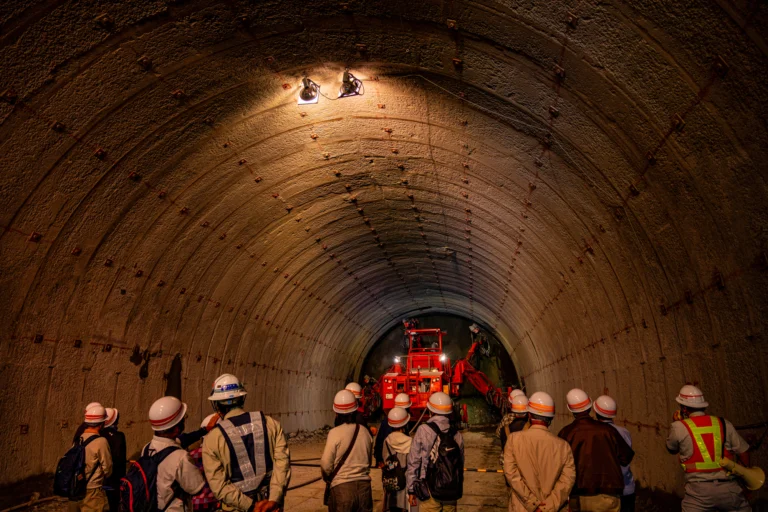
For nearly a century, Japanese women have been barred from certain types of underground work, such as hands-on skilled labor in tunnels and mines. Now, the government is considering removing those restrictions. This move would remove the last of the “women’s protection” rules in Japan’s Labor Standards Act.
What exactly does the ban cover?
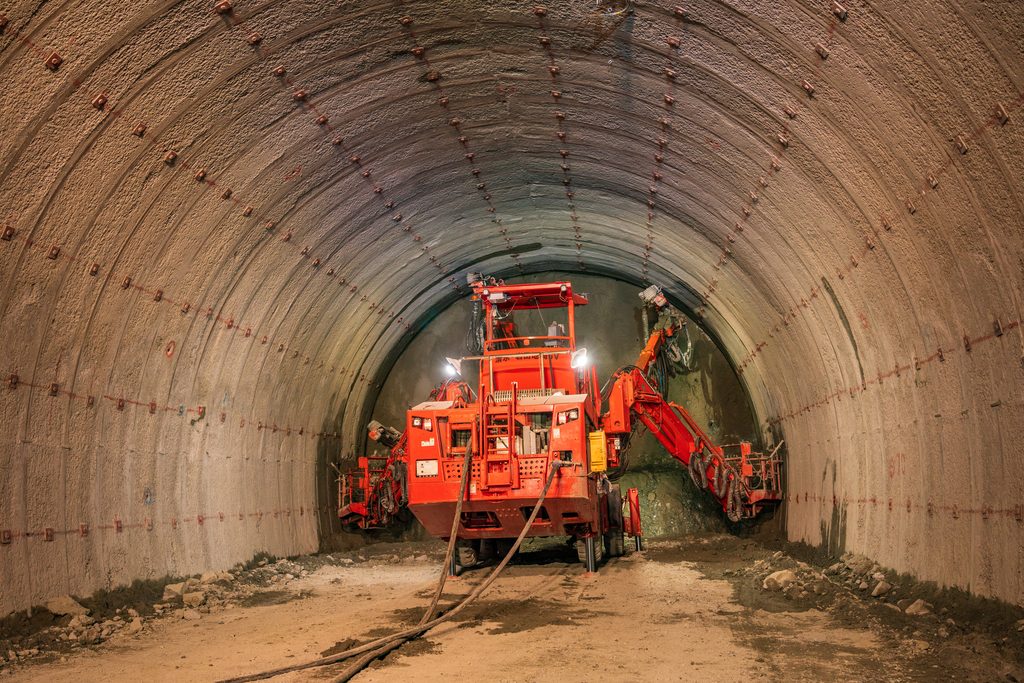
The restrictions cover kōnai rōdō (坑内労働), or underground work. Under the current Women’s Labor Standards Regulation, women aged 18 and older cannot perform manual or powered excavation, blasting, or things like hauling excavated material and pouring concrete tunnel linings.
That doesn’t mean that women haven’t been allowed to work underground at all. Since April 2007, the government has allowed female engineers and supervisors to enter tunnels and oversee construction. Legally, what matters is the type of job; female rebar installers, formwork specialists, and concrete-pump operators can’t work in tunnels or mines.
In other words, a woman engineer can supervise a tunnel crew underground, but a woman rebar worker on the same job has to hand off to a male colleague at the tunnel entrance.
This contrasts with, say, sumo wrestling’s gendered ring ban, which isn’t enforced by laws, just social norms.
Reasons for lifting the ban: changing laws and conditions
The Ministry of Health, Labour and Welfare is moving to abolish the ban, Yomiuri and Asahi reported on November 9. A ministry-commissioned study concluded that there isn’t really any reason for restricting underground work based on sex alone. After all, the supposed main reason women were banned in the first place was because of how dangerous underground work was. (More on that later.)
However, nowadays, mechanization, remote-controlled equipment, improved ventilation, and better dust management have made underground work much safer. Injury rates in mining and new tunnel construction were also below the overall industry average in 2024.
In fact, Japan might have tossed out the ban sooner if not for the International Labour Organization’s Convention 45, which prohibited women from working underground in mines. That convention was abolished in 2024.
The change is not yet law, and the government has not announced a timetable for when it’ll begin implementation. It is important to note that existing maternity protections would remain in place, including restrictions on pregnant and postpartum women working underground or handling certain hazardous substances.
Japan’s forgotten female coal miners
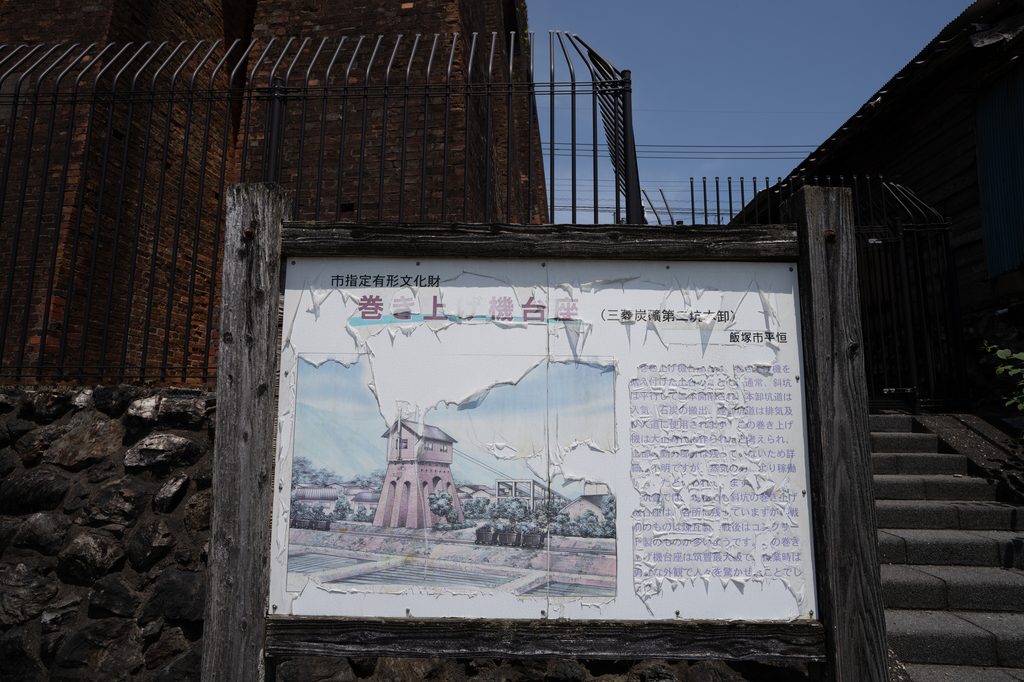
The proposed change is interesting because women working underground are hardly new to Japan. In the early 20th century, women made up a decent chunk of the country’s underground mining workforce. Historian Iwaya Saori’s research found that 95,283 women were working in Japan’s coal mines in 1919, 67,836 of them underground. Women made up roughly 30% of the coal-mining workforce.
Many women worked as atoyama (後山). They hauled coal that the hewers or sakiyama (先山) had hewn from the seams. These workers were often familial or marital pairs, with husbands and wives, siblings, or parents and children working together.
In the Fukuoka mining district, historical wage figures show that atoyama earned approximately 30% less than sakiyama in 1928. Some accounts argue that the pay discrepancy was much smaller and based more on output, but even then, atoyama still tended to earn less than sakiyama.
Many other women worked above ground sorting coal, which usually paid about half as much as underground work.
Question: do you like UJ's independent coverage of Japan? Our writers are supported by our members. Join Unseen Japan Insider to get bonus content every week, an ad-free website, and access to our large and growing Insider archive.If you love what we do, help us pay our writers to do more of it by joining Insider. You'll get bonus content every week, an ad-free website, and access to our large and growing Insider archive.
Moving women out of the mines
Their disappearance from the mines began before the 1947 Labor Standards Act. A 1928 regulation began excluding women from underground work, with the restrictions taking effect in 1933.
The reasons were complicated. Authorities promoted the restrictions as protecting women against brutal working conditions. However, by the late 1920s, mechanization was on the horizon, and in the years that followed many mines shifted to the longwall system (also known as the conveyor method), making hand-loading coal unnecessary.
It was ironic. Before this, some operators had described female workers as indispensable, only to turn around and argue that machines made them uneconomical.
The government temporarily relaxed the ban during World War II because of labor shortages, letting women work underground again. Those exemptions ended in 1946, and the 1947 Labor Standards Act imposed a broader prohibition.
Most female construction workers want the rules changed
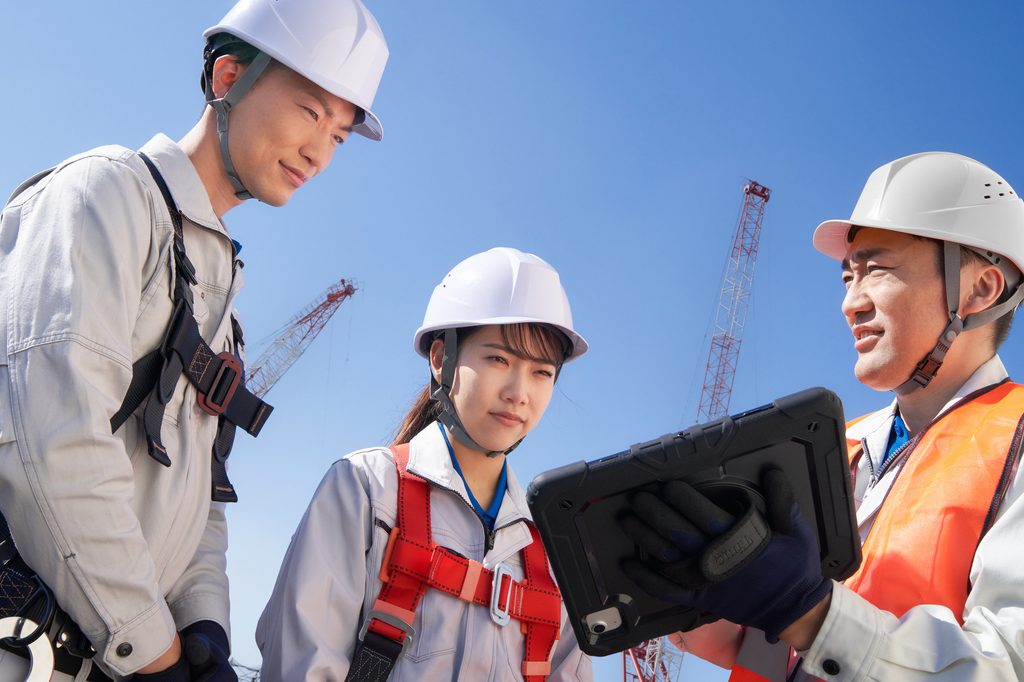
Today’s campaign to remove the restrictions has been driven largely by women working in Japan’s construction industry. One prominent advocate is Suda Kumiko, a senior manager in Kajima’s civil engineering division and a longtime supporter of women in construction.
Suda has argued that the decades-old restriction deprives skilled women of the opportunity to use their abilities. Women working in rebar installation, formwork, and concrete pumping have expressed their frustration at being unable to do their jobs inside tunnels.
A ministry survey of 423 women connected to the construction industry found that 31.4% supported abolishing the restriction entirely, while another 36.2% wanted it partially relaxed. Only 9.9% wanted to keep the existing rules.
However, some women worried about the availability of toilets and changing rooms. After all, many existing mining facilities were designed exclusively for male workers and might not have anything for women. Others feared that removing the restriction might lead employers to assign them underground work against their wishes.
A long overdue change?
Online reactions are mostly supportive. In the most popular comments on a Yahoo! News article about the announcement, 68% of reactions supported removing the ban, saying the change is about equal rights and responsibilities. Some said women can’t insist on workplace equality while also condoning laws that forbid women from physically demanding work.
On the flip side, others said that biological differences still matter and that certain protections should remain.
The potential impact extends beyond the mining industry. Japan employed just 732 people underground in mines in 2025, compared with 1,079 in 2003. The larger implications concern the construction sector, where women remain significantly underrepresented among skilled tradespeople.
For now, the proposal is awaiting discussion by the Labor Policy Council. Whether it becomes law, and when the changes might take effect, remains unclear.
Keep reading




Sources
労働基準法の「女子保護規定」全廃へ、坑内労働の制限見直し方針…「性別のみ理由に禁止は根拠乏しい」 Yahoo!ニュース/読売新聞オンライン
トンネル工事の「女人禁制」規定廃止へ 厚労省調査「必要性乏しい」 朝日新聞
労働基準法の「女子保護規定」が全廃の方向に。土木女子(ドボジョ)のパイオニアが語る土木・建設現場の今。女性技能者の坑内作業は禁止されたまま 婦人公論
女性の危険有害業務に係る調査研究事業 中間報告 ~坑内労働に係る調査結果について~ 厚生労働省
炭鉱労働における女性労働者の排除の正当化 : 女性労働者の坑内労働廃止をめぐって 大阪大学 待兼山論叢
女性の坑内労働規制の緩和による更なる女性活躍推進 土木学会論説
男女ともに幸せに働ける業界へ 日本建設業連合会 ACe建設業界
Sakubei Yamamoto Collection Designated as UNESCO Memory of the World 東京文化財研究所
森崎和江 炭鉱の女性たち 文藝春秋PLUS
The Coal-mining Pariahs of Chikuhō. Assimilation or Over-Discrimination? Kyushu University
The World of the Female Miner in Japan: Sites of Compliance and Resistance Academia.edu