
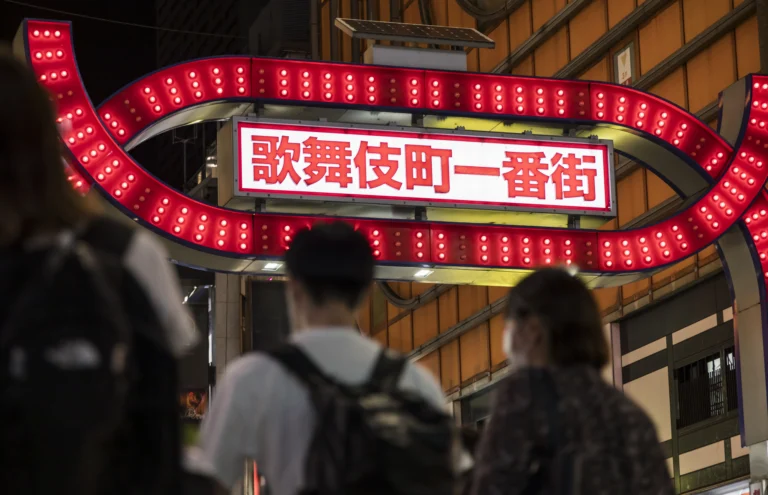
Japan is very safe for tourists. At least physically. The country’s nightlife spots, however, can financially sink unsuspecting tourists who can’t differentiate a legitimate entertainment spot from a rip-off joint.
As Japan remains a popular tourist destination, many visitors want to experience its unique after-hours culture. But a new report from the Tokyo Metropolitan Police shows that more than a few are falling for a well-templated scam.
How a night out turns into a $60K bill
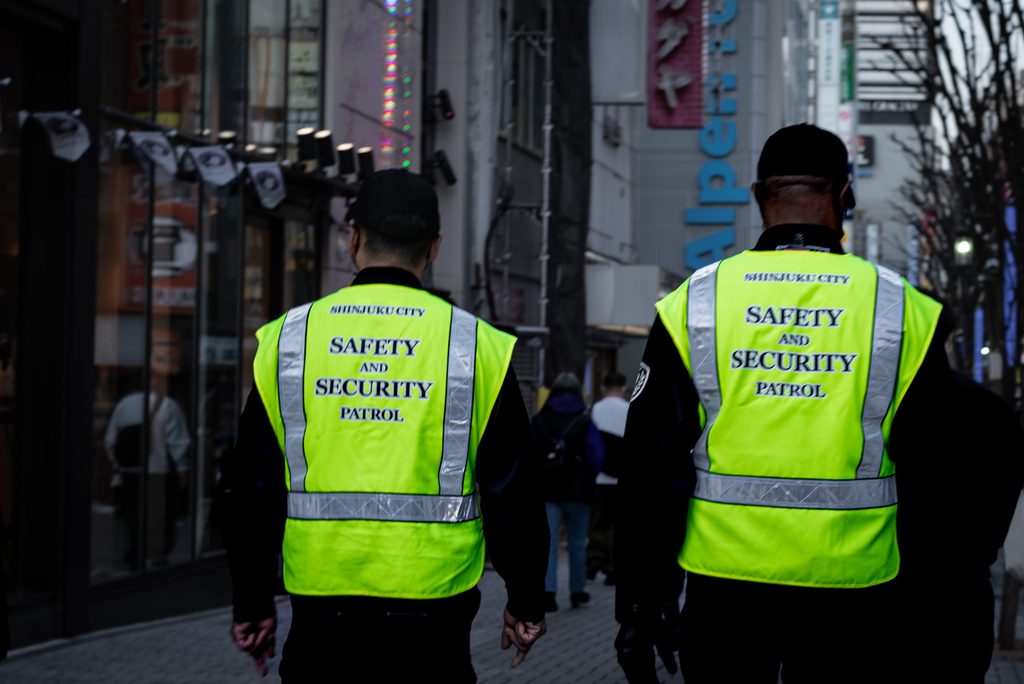
Kyodo News recently reported that complaints to police about scam joints in Kabukicho from foreign visitors to Japan reached about 240 from January through October this year. That’s three times as many as in the same period last year.
Overall, complaints from both locals and inbound tourists rose 2.4 times, to 340. Of those, 220, or 65%, involved a barker or tout, the free agents who earn commissions from stores by flagging down customers and enticing them into a venue. While this practice (known as 客引き, kyakuhiki, in Japanese) is illegal, the money is good, and enforcement on Kabukicho’s side streets is easy to evade.
This number very likely doesn’t represent the total number of scam incidents. Disreputable shops are increasingly targeting foreigners under the (reasonable) belief that they won’t stay in Japan long enough to file a police report, or that the language barrier will dissuade them from reporting.
To be fair, this isn’t by any means a record. In just the first four months of 2015, there were 1,052 calls to Japan’s 110 emergency line about rip-offs, according to J-CAST. A subsequent police crackdown brought complaints down to a few dozen a month.
These numbers are apples and oranges, though. The 2015 data I found measures calls to 110; the latest data counts complaints filed with Shinjuku police. The number of potential rip-offs may be higher than Japanese media currently reports.
The rip-off pattern is more or less set in stone. A barker entices a customer into a bar or club. The staff serves up strong drinks until the victim becomes disoriented or passes out. Then, the thieves rack up unauthorized charges on the victim’s card.
The proliferation of this pattern is why I wrote my guide to Tokyo nightlife. The guide covers over 40 stores and experiences with upfront pricing that I’ve personally verified.
160 police raid two scam joints
The spike is alarming enough that Tokyo Police have sprung into action, with 160 officers raiding two venues before dawn on November 11.
The first, per Sankei and ANN, was a karaoke bar called Luxor that was operating without a license. Police had previously sanctioned Luxor in September for operating without a license. The store reportedly earned ¥81.6 million (~$512K) over roughly four years before authorities busted in and arrested the 62-year-old Nigerian manager.
The other was hostess club Princess. Police also arrested that business’s 35-year-old manager when he attempted to block the door to stop police from entering.
Why the law can’t help
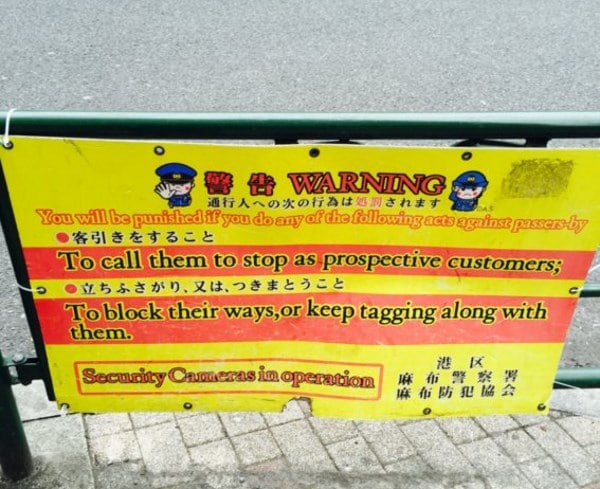
Tokyo has had an anti-fleecing ordinance since November 1, 2000. It requires venues to post their prices and bans misleadingly low quotes. Violators can be sentenced to up to six months’ detention or fined up to ¥500,000 (~$3.1K).
However, the law doesn’t apply to every nightlife establishment. The law regulates sex-related and settai (接待; customer entertainment) businesses designated by the metropolis, including host and hostess clubs, certain concept cafes, and other sex-related businesses. It usually doesn’t apply to a business that operates as an ordinary bar or izakaya.
It also doesn’t stop a business from being sneaky. Some joints post their prices up front but then add extra charges, coyly asking customers, “This is getting pricey, is that okay?” Many customers will feel they have no choice but to pay.
Many shops will insist customers pay in cash. If the customer doesn’t have the money, a staff member will walk them to the nearest ATM at a konbini. The store will then charge extra for that “service,” claiming it hurt their business by taking up the employee’s precious time. In one case, a customer who didn’t have enough cash was escorted to a store and cajoled into buying a gold necklace on credit.
How to survive a night in Kabukicho with your wallet intact
A good way to avoid getting ripped off is to go to stores with a good reputation. You can find a long list in my Tokyo nightlife guide. You can also hire me to show you around and introduce you to stores that otherwise wouldn’t accept non-Japanese speakers.
If you’re venturing out on your own, the number one rule for avoiding rip-off joints is to avoid the barkers. Your odds of being enticed into a rip-off spot increase astronomically if you take “advice” from the touts. These people are paid a percentage of what customers spend to bring you in and don’t have your best interests at heart.
I also advise people not to visit the “free information centers” (無料案内所; muryō annaijō) that offer to introduce customers to stores and sexual experiences in the area. While these stores traditionally catered only to Japanese customers, an increasing number are targeting tourists. These places also work on commission and may potentially lead you to stores that overcharge.
Also, be wary if stores explicitly advertise that they accept English-speaking tourists. While this isn’t a sure sign of a scam, you may find yourself in a venue seeking to take advantage of foreign customers who don’t understand the ins and outs of Japanese nightlife and how services are normally priced.
If you find yourself the victim of a scam, Japan’s 110 emergency line takes calls in English. Tokyo’s #9110 non-emergency line also accepts English calls, or you can contact JNTO’s Japan Visitor Hotline at 050-3816-2787; they take calls in English, Chinese, and Korean. You can also walk to the nearest police booth (交番; kōban) and ask for assistance.
Let’s be careful out there, folks.
Keep reading

Sources
新宿で訪日客ぼったくり相談3倍 警視庁、客引きに警戒強化 共同通信(47NEWS)
風営法違反容疑で飲食店摘発 訪日外国人狙いぼったくりか―警視庁 時事ドットコム
未明の歌舞伎町に機動隊員ずらり 急増する被害と警視庁が抱く危機感 朝日新聞
インバウンド狙いのぼったくり増加、警視庁が歌舞伎町の飲食店一斉摘発 責任者ら5人逮捕 産経新聞(Yahoo!ニュース)
無許可でカラオケバーを営業か 新宿歌舞伎町でぼったくり被害相次ぎ警視庁が一斉摘発 テレビ朝日系(ANN)(Yahoo!ニュース)
歌舞伎町「ぼったくりバー」責任者のナイジェリア人ら逮捕 泥酔させられクレカ不正利用被害相次ぐ 外国人観光客狙いか FNNプライムオンライン
“歌舞伎町浄化”新宿警察署が特別チーム結成 未成年飲酒やぼったくりを注意喚起 TOKYO MX(Yahoo!ニュース)
性風俗営業等に係る不当な勧誘、料金の取立て等及び性関連禁止営業への場所の提供の規制に関する条例 東京都
安心して新宿の繁華街を楽しむために 警視庁 新宿警察署
盛り場トピックス(最近の盛り場の被害事例) 警視庁
国民生活センターADRの実施状況と結果概要について(令和7年度第3回) 国民生活センター
歌舞伎町の新たなぼったくりは「丁寧な接客と料金説明」 被害1億4000万円、都条例をすり抜ける巧妙な手口とは 東京新聞
歌舞伎町「ぼったくりキャバクラ」になぜ10万円以上払ってしまうのか 朝日やポストの記者も結局やられたカラクリ J-CAST ニュース
For Visitors to Tokyo(外国人観光客の皆さんへ) 警視庁
Japan Visitor Hotline JNTO