
When Prime Minister Takaichi Sanae called a snap election on February 8, it was widely seen as a gamble.
Since 2020, the Japanese political landscape has been tumultuous: three Lower House elections, two Upper House elections, and four leadership contests. Yet instead of backlash or fatigue, voters this past Sunday delivered a decisive mandate.
With a historic supermajority now secured, the Liberal Democratic Party (LDP) under Takaichi stands at its strongest position in decades. The collapse of the Centrist Reform Alliance (CRA) in the same election has left Japan’s political landscape without its most prominent counterweight.
The question now is simple: what is left of Japan’s opposition?
The failure of the CRA
For decades, Japan’s party system operated within a relatively stable equilibrium. Last summer’s guide to Japan’s political parties outlined a system built on what seemed to be an established coalition balance. But the 2026 Lower House election has exposed how quickly that balance can shift in today’s political climate.
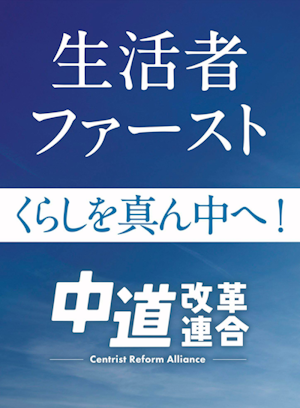
Despite being formed in January, the CRA did not emerge overnight. The Constitutional Democratic Party of Japan (CDP) and Komeito announced the alliance as an “offensive strategy” against what CDP leader Noda Yoshihiko called the country’s rightward shift. Publicly, they framed it as a centrist consolidation meant to corner the Takaichi administration.
In reality, both parties were on the defensive. The CDP was struggling with stagnant approval ratings and declining support among unaffiliated voters. Komeito had just ended its 26-year partnership with the LDP and faced uncertainty about its electoral strategy. Former rivals only months earlier, the two parties chose cooperation as a matter of survival against the snap election.
Their plan failed. Only 49 seats were secured, down from the 167 seats the two parties held before the election. The scale of the loss was staggering.
Within days, co-presidents Noda Yoshihiko and Saito Tetsuo announced they would step down, a routine move after electoral defeat. A new leader is to be chosen today in an attempt to continue to build a proper opposition against the LDP’s stronghold.
But why was the CRA defeated so decisively?