
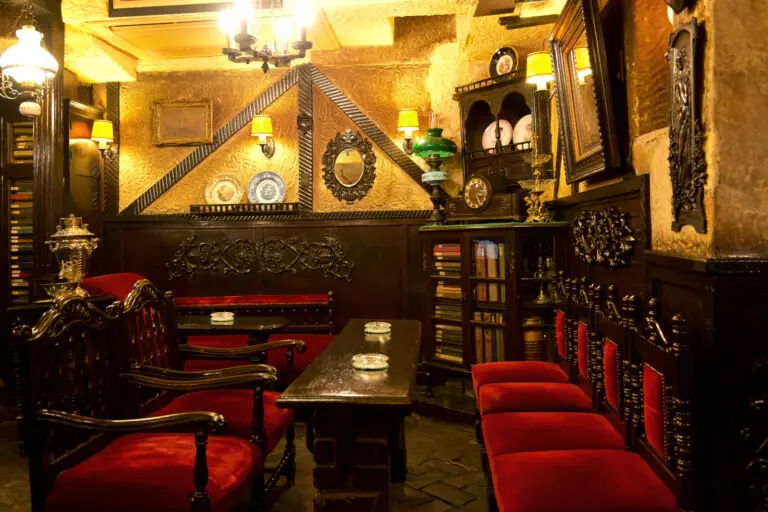
Kissaten (喫茶店), and specifically junkissa (純喫茶, “pure tea/coffee houses”), are traditional Japanese coffee shops. They peaked in the early 1980s and have been in steady decline ever since, squeezed by chain cafés like Doutor and Starbucks or disappearing from the hands of aging owners without successors.
However, a recent counter-trend suggests that these traditional coffee shops might be having a bit of a comeback. We’re going to pop open this can of worms and take a look at this little roller coaster.
What are kissaten and junkissa, and how are they different from cafés?
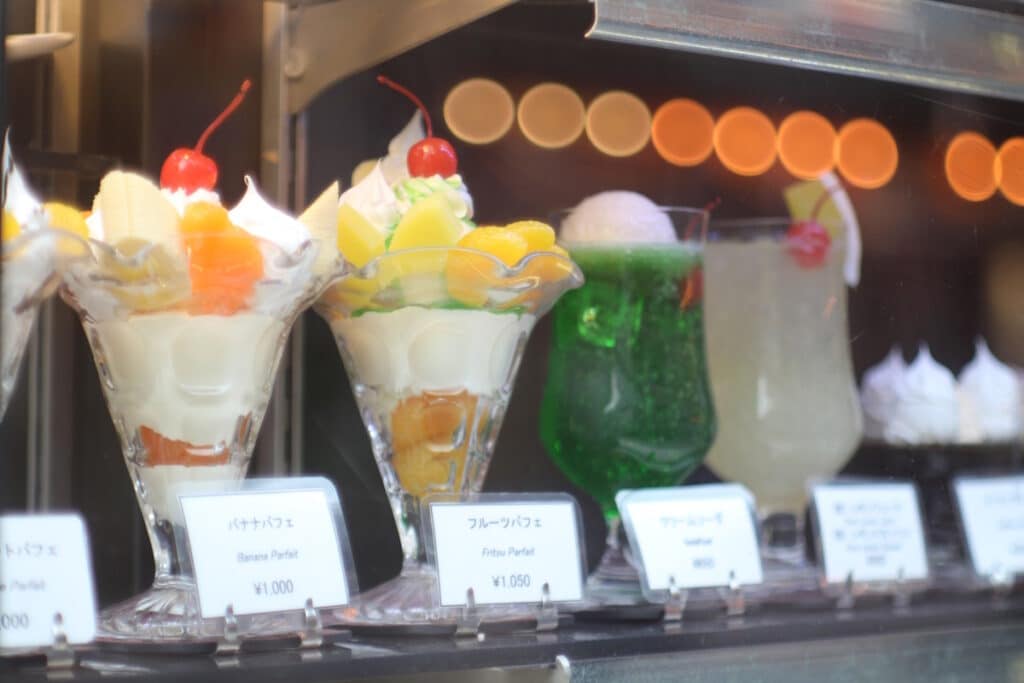
Kissaten first came about in the Edo Era after the introduction of coffee, but didn’t really pick up popularity until the 1900s. They peaked at nearly 155,000 shops in 1981 and had spawned many different types, such as late-night, self-service, and specialty coffee shops.
Meanwhile, junkissa emerged as the “pure” coffee house in the late 1920s to distinguish itself from hostess-staffed cafés tied to nightlife and entertainment. It did so to bring kissaten back to its roots: a shop centered purely on coffee rather than adult entertainment.
Over time, that distinction turned into a whole mood: wood furniture, dim lighting, old records, and a feeling that time is moving a little slower than usual. A junkissa nowadays is basically a coffee shop with a Showa-era vibe that’s classy without being tired.
Kissaten and junkissa differ from cafés in more than just name, though. They’re legally distinct, with kissaten licensing limiting food sales to lightly heated food, while cafés can run broader food service.
That sounds like a minor detail, but it shapes the whole business model. A smaller menu can be charming, but it also makes it harder to adapt when tastes change or when the shop needs more revenue streams. So, it may have contributed to the traditional coffee shop’s eventual decline.
Reasons for closure: competition and aging out
By 2021, just 40 years after the height of its popularity, the number of kissaten had taken a nosedive to 58,700. The biggest reason is simple: owners got older, and many had no one to hand the business to. In a lot of cases, the shop was basically a one-person operation, so retirement meant the lights went off for good.
Kissaten as a whole also ended up facing a lot of competition. The café chain Doutor began expanding in the 1980s, and Starbucks arrived in Japan in 1996 with its first store in Ginza.
These companies offered standard menus, fast service, and more locations, often in areas with prime traffic. Independently-owned kissaten had a hard time keeping up.
They were also competing against changing habits. People wanted speed, convenience, and non-smoking spaces, but many kissaten were built around slowing down and enjoying a leisurely conversation.
Even long-lasting kissaten like Junkissa Lion in Nagoya weren’t immune. The shop closed in February 2025, but had been around since 1958 – a 66-year-long run that probably made it seem like it would last forever.
Junkissa boom in modern times
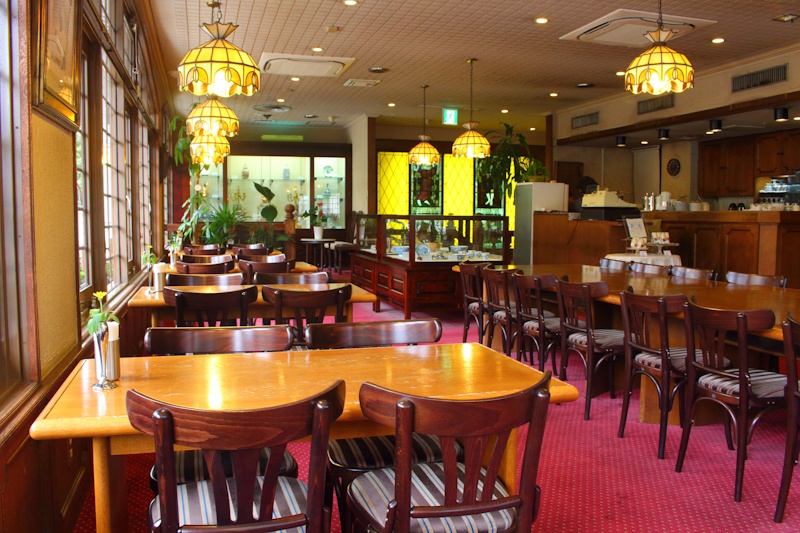
However, not all hope is lost for the noble coffee house. Recently, there’s been a junkissa boom, especially among younger customers and women in their 20s and 30s who love the old-school atmosphere.
Social media has done a lot of the work here. Popular junkissa items like cream soda, Napolitan spaghetti, and custard pudding are all extremely photogenic – perfect for sharing online.
The aesthetic isn’t the only reason for the revival. Sitting in a space that feels handmade, a little old-fashioned, and slightly off the clock has a nostalgic appeal. In a world of clean lines and algorithm-friendly cafés, a dusty velvet seat and a warm drink can feel almost rebellious.
Plus, kissaten prices are comparable to or sometimes cheaper than café chains or specialty cafés. Starbucks ranges from 380 yen (2.50 USD) for its cheapest plain black coffee, while themed and specialty cafés start anywhere from 600-1000 yen (4-6 USD).
Meanwhile, kissaten prices stay in a comfortable mid-range at 450-600 yen (3-4 USD). They also often come with “morning service” (モーニングサービス) deals, offering toast or dessert for just an extra 50-100 yen (less than 1 USD).
Alternatively, head to western Japan, where kissaten still rule
While kissaten have declined across the country, in western Japan, they’re just as popular as ever. When comparing the number of coffee shops against population, Shikoku’s Kochi Prefecture comes out on top, with one kissaten for every 831 people.
Nagoya, over in Aichi Prefecture, is also nothing to snuff at. It may well be the origin of morning service deals, building a thriving kissaten culture where coffee shops are less like a quick stop and more like part of the daily routine.
Explore more cafés and coffee culture in Japan
For a country that most identify with “tea,” Japan has a surprisingly booming coffee culture, from canned coffee out of vending machines to relaxing book cafés. Check out more of our stories for an authentic side of Japan you haven’t seen yet.
Keep reading



Sources
純喫茶. Wikipedia Japan
日本における喫茶店の歴史. Wikipedia Japan
データで見る純喫茶の移り変わり. データのじかん
都道府県別喫茶店店舗数. 全日本コーヒー協会 (AJCA)
喫茶店営業の実態と経営改善の方策. 厚生労働省 (MHLW)
なぜ若者たちがハマるのか?「東京喫茶店研究所」所長に聞く純喫茶ブームの楽しみ方. @DIME
創業66年の喫茶店『純喫茶ライオン』が2025年2月9日をもって閉店. 名古屋情報通
Young coffee shop owners in Tokyo keep the dwindling coffeehouse culture alive. The Japan Times
Brewing Culture: The Story of Japan’s Kissaten Cafes. JAPAN HOUSE Los Angeles
【2025年度12月度】カフェチェーン15社のコーヒー1杯の金額を徹底比較! Note
全国の喫茶店が多い都道府県ランキング!カフェ文化が根付くエリアはどこ? Café Cherché