
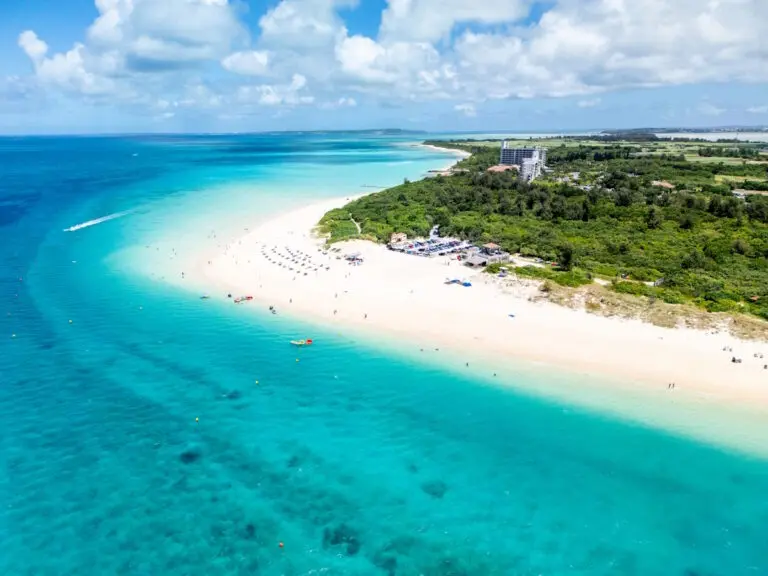
One of Okinawa’s biggest selling points is its image as a beach destination: aquamarine oceans, picturesque islands, and unforgettable sights. However, the prefecture is now seeing a troubling side effect of its tourism boom: a sharp rise in foreign travelers falling victim to water-related accidents.
With inbound travel to Japan hitting record highs, local safety systems are having a hard time keeping pace. Okinawan officials have started putting their heads together to find a solution.
Water accidents in Okinawa and the rising number of tourist drownings
By April 14, a mere two weeks ago and ages away from peak travel season in summer, Okinawa had already recorded 16 water accidents involving tourists and seven deaths in 2026. That’s double compared to that from the same period last year.
When you back up even further, the problem is even clearer. In 2024, Okinawa logged a record 128 water accidents, of which 45 were fatal and 19 involved foreigners. That number by itself might not sound that bad, but when you consider that 2023 only saw two foreign tourists involved in water accidents, it’s pretty startling.
Skip to 2025, and the numbers are even more eye-popping. While water accidents dropped to 114 for the year, 64 of those (over half) involved tourists. The year also saw six more deaths compared to 2024.
Considering the trend of foreign tourists experiencing disproportionately higher rates of water accidents (similar to how foreigner traffic accidents spiked near Mt. Fuji), it’s no wonder officials are getting worried.
What’s causing these accidents? Risk factors to consider.
Part of that is likely due to the sheer number of tourists flooding the country. Japan welcomed over 42 million inbound travelers in 2025, and with Okinawa as popular as it is, it saw a lot of that tourist traffic.
The issue? Much of the region’s safety infrastructure was built with the relatively small local population in mind. It can’t keep up. Locals grew up knowing the dangers of certain areas. Foreign travelers were never really part of that “safety” equation.
One thing that crops up a lot is that tourists underestimate how dangerous rip currents (離岸流, rigan-ryu) are. These narrow channels of water are extremely powerful, able to pull swimmers (even good ones) away with surprising speed.
Not only are locals more aware of the dangers of rip currents, they also generally know what to do if they’re ever caught in one. So, they’re much less likely to fall victim than a tourist who might not even know what rip currents are.
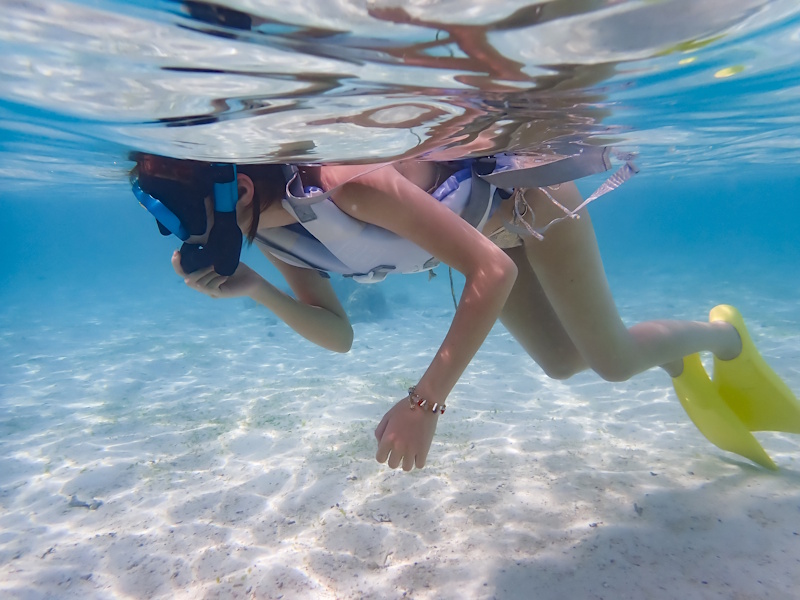
Another key piece of data is that around 90% of leisure-related, non-diving deaths involved victims who weren’t wearing life jackets. Recently, on April 7, 2026, a Korean man in his 40s died while snorkeling at Aragusuku Beach in Miyakojima City. He also wasn’t wearing a life jacket. It’s impossible to say whether it would have made a difference in this case, but officials believe pushing life jacket use could help combat the surge in accidents.
Finally, some times, tourists simply take foolish risks that they should know not to take. This can be seen in similar safety incidents across Japan, including tourists who’ve been hit by trains or fallen through the ice in Hokkaido.
Officials take action: Water Accident Prevention Promotion Council
While some parts of Japan are struggling with the logistical consequences of overtourism, these incidents put a spotlight on the physical dangers. The safety infrastructure needs to play catch-up to deal with the influx of visitors.
On April 20, 2026, the Okinawa Prefectural Police called a meeting of the Water Accident Prevention Promotion Council at its headquarters, together with the 11th Regional Japan Coast Guard Headquarters. By putting their heads together, they hope to come up with preventative measures to improve marine safety.
In the meeting, Nakasone Munenobu (仲宗根宗信), the council’s chairman and head of the Prefectural Police Regional Affairs Department, said, “It is important to deepen cooperation with each other and persistently advance multi-layered measures from our respective positions.”
New safety measures being implemented
Just a week after that meeting, the Okinawan police updated documentation on marine safety procedures for the Designation System for Excellent Marine Leisure Providers with Safety Measures, commonly known as the Maru-Yu System (マル優制度, maru-yu seido).
With the Maru-Yu System, authorities can give a seal of approval to marine leisure businesses that follow proper procedures. In turn, tourists can look for this designation to gauge whether a given company is safe to book with. It’s not a perfect solution since compliance with these safety rules is completely voluntary. Fortunately, it’s just one thing officials are working on.
To address communication gaps, officials are also expanding multilingual outreach, delivering water-safety messages in English, Chinese, and Korean. Visiting foreigners mainly speak one of those three languages, so this directly addresses that.
Keeping water-bound activities safe
The current situation highlights a broader challenge facing tourism destinations worldwide: when visitor numbers soar, safety systems must evolve to match.
In Okinawa, the combination of record foreign tourists and relatively low safety literacy among newcomers has created a gap that existing measures have yet to close. Hopefully these will improve quickly and help keep visitors safe on beaches and Japan’s many seaside towns.
Keep reading

Sources
観光客の水難事故が増加 2026年4月14日時点で16件、死亡7人 沖縄県警ら、ライフジャケット着用呼びかけ 沖縄タイムス
沖縄で観光客の水難事故が増加 今年に入り既に7人死亡 「ライフジャケット着用を」 Yahoo!ニュース (沖縄タイムス配信)
水難事故、過去最多128件 外国人観光客が急増 24年・沖縄 琉球新報
宮古島の海で「男性が動かない」 韓国人観光客が死亡 遊泳中に異変、妻子が気付く 沖縄タイムス
宮古島の海岸、韓国人男性が死亡 シュノーケリング中 沖縄 琉球新報
安全対策優良海域レジャー提供業者の指定申出に必要な手続について 沖縄県警察
海難発生状況 第十一管区海上保安本部
沖縄の海はライジャケ!2025 ~Let’s enjoy the Sea!!~ RBC琉球放送