
In Japan, thanks to a Meiji-era law, Japanese citizens who get married can’t continue to have separate last names. That’s leading some couples – especially celebrities and artists who trade on their names – to resort to a workaround: common-law marriage.
One celebrity announcer has admitted she and her partner are doing just that. She’s gotten a heap of criticism for it online, even though polling shows many people in the country agree the law ought to change.
Yamamoto Erika: We’ll get married if the law changes
Article 750 of Japan’s Civil Code requires citizens to select a common last name upon getting married. (Foreign nationals, i.e. anyone who doesn’t have a family registry, is exempt.) Japan is the only country that still enforces such a law, which was originally based on European law in the 1890s.
There’s been a lot of talk about changing the law, as many see it as unfair to women. In 95.5% of marriages, it’s the woman who changes her name to match her husband’s. This can cause disruption in a woman’s professional life, especially for entertainers, artists, and other famous people.
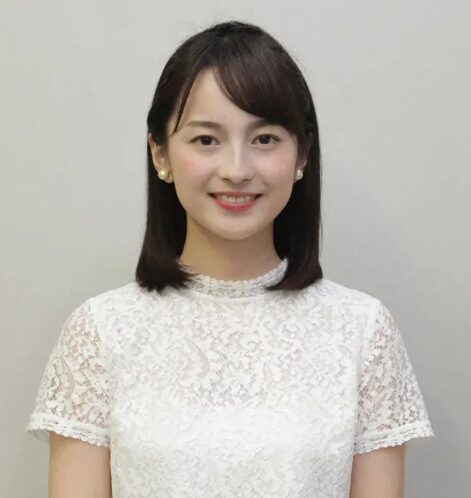
To get around this, some celebrities are choosing a legal workaround. The latest is TBS announcer Yamamoto Erika (山本恵里伽), who announced on a TBS radio program that she and her partner have entered a common-law marriage. In Japan, a common-law marriage is a legal agreement that gives a couple legal recognition of their relationship but lacks certain legal protections, such as tax breaks and inheritance rights.
Yamamoto says she and her partner explicitly entered the agreement so they could both keep their names. Their agreement has a clause stating they’ll get formally married if Japan changes the joint spousal surname law.
Question: do you like UJ's independent coverage of Japan? Our writers are supported by our members. Join Unseen Japan Insider to get bonus content every week, an ad-free website, and access to our large and growing Insider archive.If you love what we do, help us pay our writers to do more of it by joining Insider. You'll get bonus content every week, an ad-free website, and access to our large and growing Insider archive.
Not the only ones
Yamamoto and her partner aren’t the first ones to choose the common-law marriage route.
Manga artist Mizutani Sarucoro (水谷さるころ) said when she first got married and changed her name, it cost her freelance work, as clients assumed she’d become a housewife and quit working. For her second marriage, she and her partner got married briefly so that her child would have their father’s surname. They divorced after and entered a common-law marriage.
Social Democratic party leader Fukushima Mizuho (福島瑞穂) has lived for decades with her partner, lawyer Kaido Yūichi (海渡雄一). The two have a daughter, lawyer Kaido Souyō, who is legally a non-married child, putting her in a bizarre quasi-legal state in Japan. Fukushima actively campaigns to change the separate spousal surname law.
Other celebrities have tried to challenge the law. Filmmaker Sōda Kazuhiro (想田和弘) and producer Kashiwagi Kiyoko (柏木規与子), got married in New York in 1997 and kept their last names. They are suing Tokyo’s Chiyoda Ward in family court because the ward refuses to recognize their separate last names. Meanwhile, Cybozu CEO Aono Yoshihisa has continued legally challenging the law after taking his wife’s name.
Support (sort of) for change

On Yahoo! News JP, a majority of commenters laid into Yamamoto. Most of them seem to object more to her using her status as a celebrity to make what they see as a political statement.
What does the public at large think? The polling tells a complicated story.
Most polls show majority or near-majority support for separate spousal surnames. A January 2025 Kyodo poll put support for changing the law at 59.4%. A Rengo survey in February 2025 found a more modest 46.8% wanted the option; however, only 26.6% were adamant about keeping the law as is. However, the same Rengo poll found that, if approved, only 9.5% of current couples would take advantage of it.
Change may be a long time coming, however. Japanese courts have ruled that same spousal surnames are constitutional and that any revision to the law must come from Japan’s national Diet.
The current government, led by female prime minister Takaichi Sanae, leans heavily to the right and refuses to change the law, which many conservatives defend. Takaichi is pushing for wider legal recognition of maiden names as a compromise measure, which would allow women to use their original names on some legal documents.
In other words, Yamamoto Erika and her husband might find themselves in a common-law marriage for quite a while.
Keep reading


Sources
TBS山本恵里伽アナが事実婚を公表「名字を変えずに家族になりたかった」 婚姻届は出さず公正証書を作成 スポニチアネックス
TBS山本恵里伽アナが事実婚公表、生ラジオで理由説明 日刊スポーツ
選択的夫婦別氏制度(いわゆる選択的夫婦別姓制度)について 法務省
なぜ最高裁は、夫婦同姓を「合憲」と判断したのか? The HEADLINE
遠のく選択的夫婦別姓 高市政権、旧姓法制化目指す 時事通信
想田和弘さん、柏木規与子さん夫妻が夫婦別姓の婚姻届提出も…千代田区は受理せず 東京新聞
「これはむちゃくちゃ大変やないか」サイボウズ社長が夫婦別姓の訴訟を起こした納得の理由 PRESIDENT Online
結婚したら仕事が減った!2度目は事実婚を選んだ理由【水谷さるころ】 ウートピ
福島瑞穂 Wikipedia(日本語版)
選択的夫婦別姓は賛成59% 共同調査、内閣支持横ばい 日本経済新聞
夫婦の姓「選択可能に」46% 同姓支持26%―連合ネット調査 時事通信