
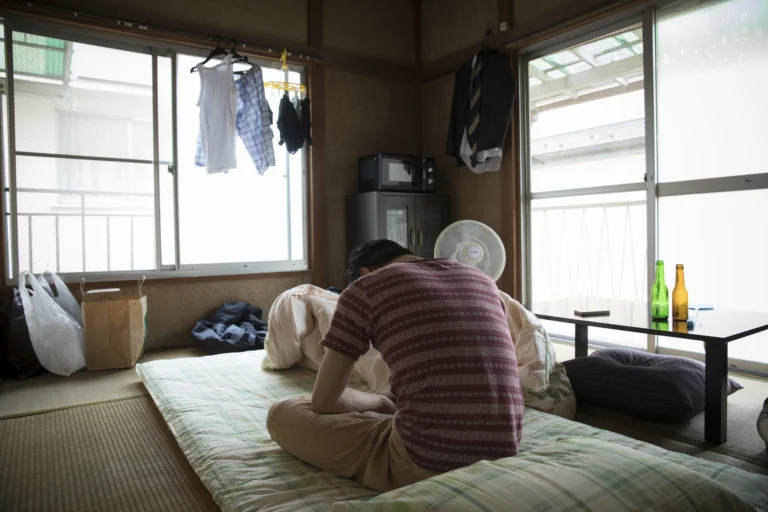
For many people outside Japan, the word hikikomori (引きこもり) or “shut-in” still brings to mind a young man who never leaves his bedroom. That image became familiar through documentaries and news reports in the early 2000s, when Japan’s socially withdrawn youth captured international attention.
Those young men have since grown up. Unfortunately, they’re still hikikomori. Or, in other words, they’ve gone from teens and 20-year-olds to 40- and 50-year-olds living with their now 70- to 80-year-old parents. And with a not-insignificant number of hikikomori, this setup is being called the “80/50 problem” (8050問題).
Shut-in lifestyle: a problem with some daunting numbers
A nationwide Cabinet Office survey conducted in late 2022 and released in 2023 said that roughly 1.46 million people between the ages of 15 and 64 were living in what the government calls a “broad hikikomori” state. That’s about one in every 50 working-age adults. Worse, it’s about 310,000 people more than the previous nationwide estimate from just four years earlier.
The government’s definition is a bit broader than the young shut-in stereotype. It includes those who, for six months or longer (without a medical reason), leave home only for hobbies or a nearby convenience store. It’s not just those who stay inside the house without going out, or lock themselves inside their room.
The timing is also a key factor: this survey happened in 2022. While that was no longer in the thick of the pandemic, many people were still being cautious. Indeed, around 20% of the survey respondents said they were isolating because of COVID-19.
However, that still leaves 80% who weren’t just avoiding a virus. Not to mention, the level of social withdrawal for many of those surveyed went beyond simple social distancing.
How people end up becoming hikikomori
If the typical hikikomori isn’t a stereotypical teenaged shut-in, then who makes up this population? Even though hikikomori has been associated with victims of bullying or those overwhelmed by academic pressure, the reasons why those a bit older become shut-ins are a bit different.
According to that 2023 survey, the number one trigger, cited by 44.5% of respondents aged 40 to 64, was leaving or losing a job. Japan’s labor market has seen a lot of changes in the past decade. It can be hard adapting, and some end up giving up entirely.
Another finding points directly at a misconception in the stereotype. 45.3% of those aged 40 to 64 described themselves as full-time housewives or househusbands, or as doing housework, childcare, or caregiving. In other words, even though most people think of hikikomori as men, a good chunk are women. In fact, in that 40-to-64 age group, women were a slight majority, at 52.3%.
In fact, the National Federation of Families of Hikikomori, or KHJ, even speculated that people are more likely to be dismissive of long-term social withdrawal in women. After all, some feel it’s natural that they should take on homemaking or caregiving roles.
While that is an issue in itself, those who are being supported by a spouse of roughly the same age aren’t necessarily part of the 80/50 problem hanging over many other hikikomori. It’s those being supported by an aging parent.
The aging issue: when being a recluse puts you at risk
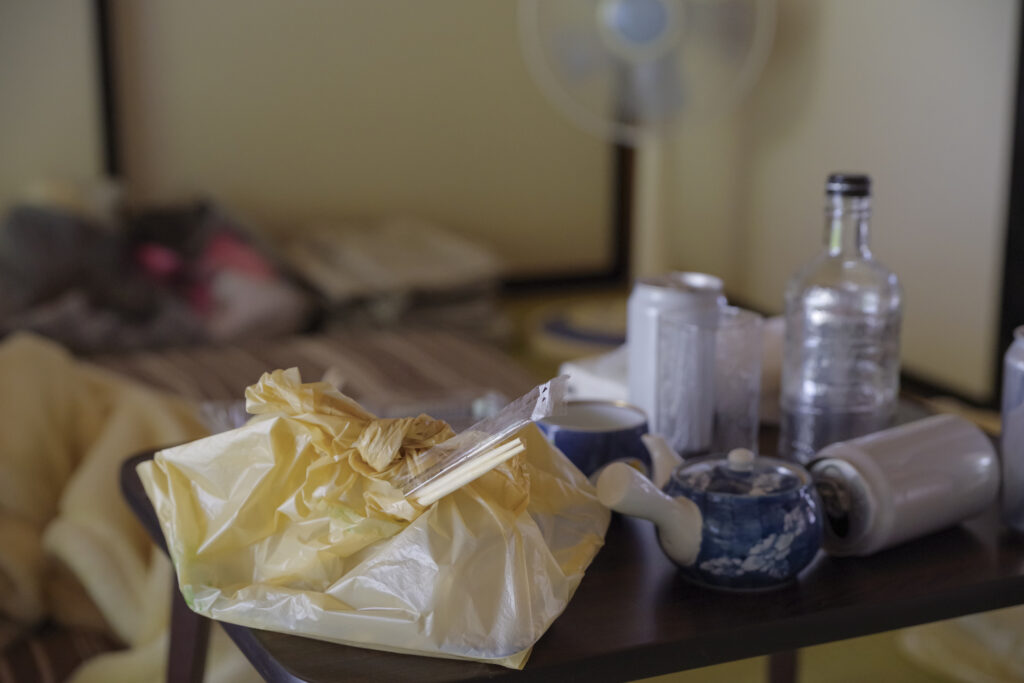
The retirement age in Japan is 60. While many continue to work past that age, you can bet that a decent number of parents in their 80s who are still financially supporting children in their 50s are burning through pensions and retirement savings.
The thing is, 90.3% of hikikomori aged 40 to 69 said they had work experience. The issue was that many said they couldn’t find the sort of work that they wanted. Others were hesitant to return to work because they had faced power harassment, verbal abuse, or other slings and arrows of a hostile work environment from their last job.
Of course, the longer you go without working, the less “hireable” you are. Potential stigma against hikikomori can make getting hired even harder.
That remaining 10% without work experience shouldn’t be dismissed, either. Those who have never worked a job and are entirely dependent on their parents for housing and food are extremely vulnerable. The second something happens to the elderly parent supporting them, be it illness or death, they could easily end up homeless.
Another factor trapping hikikomori is the state of mental health services in Japan. A stigma against mental illness means many people may not be getting the support they need. That leaves hikikomori and their families vulnerable to scam companies, such as hikidashi-ya.
Isolated families disappearing in one fell swoop
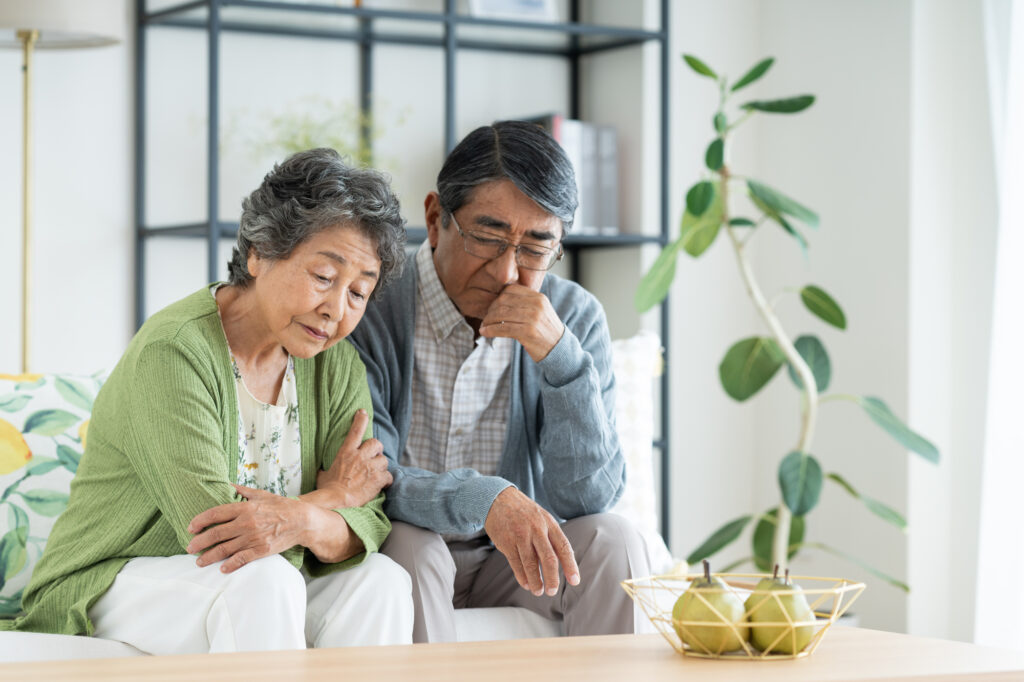
This isn’t just a “maybe someday” problem, either.
Often, these households remain invisible until a crisis occurs. A landlord discovers unpaid rent. A utility company reports an abandoned home. A local government investigates unpaid taxes or pension paperwork. Sometimes the first sign is the death of one or both family members.
Japanese media sometimes describe these tragedies as “parent and child collapsing together” (親子共倒れ), highlighting how completely isolated these households can become.
That isolation is one of the biggest obstacles to helping these families. Many parents gradually withdraw from neighbors, relatives, and community activities because they feel ashamed or worry about their adult child.
Over time, the family becomes sealed off from outside contact. By the time anyone becomes aware of the situation, both generations may already be facing poverty, declining health, or severe mental stress.
Organizations and measures attempting to address the 80/50 problem
One of the groups working to help these families is KHJ. Founded in 1999, it warns that prolonged social withdrawal combined with Japan’s rapidly aging population is a disaster waiting to happen, and not just for the dependent in the equation. KHJ argues that supporting parents is just as important since families need guidance before they reach a breaking point.
The government has also taken action. Since 2018, the Ministry of Health, Labour and Welfare has built a network of hikikomori regional support centers that connect welfare offices, employment services, public health agencies, and local family organizations. A 2021 revision to the Social Welfare Act also introduced a more integrated support system designed to bring together consultation services and practical assistance across different agencies.
In many cases, officials first discover a hikikomori situation not because someone seeks help for withdrawal itself, but because an elderly parent applies for nursing care or other services.
It is still an ongoing issue in Japan, one that can easily fall under the radar because of its very isolationist nature. There is no clear and easy solution, unfortunately; just an effort to help out one family at a time.
Keep reading

Sources
増加する中高年の「ひきこもり」その実態と対策 年老いた親たちが精神的&経済的に疲弊している! サンデー毎日(毎日新聞)
こども・若者の意識と生活に関する調査(令和4年度) こども家庭庁(内閣府)
「ひきこもり」全国推計146万人 50人に1人 内閣府調査を受けたKHJの見解 KHJ全国ひきこもり家族会連合会
ひきこもり推計146万人 15〜64歳、コロナ流行影響 日本経済新聞
<大図解>ひきこもりと8050問題(No.1631) 東京新聞
地域包括支援センターにおける「8050」事例への対応に関する調査 厚生労働省(KHJ家族会調査)
8050問題 ウィキペディア