
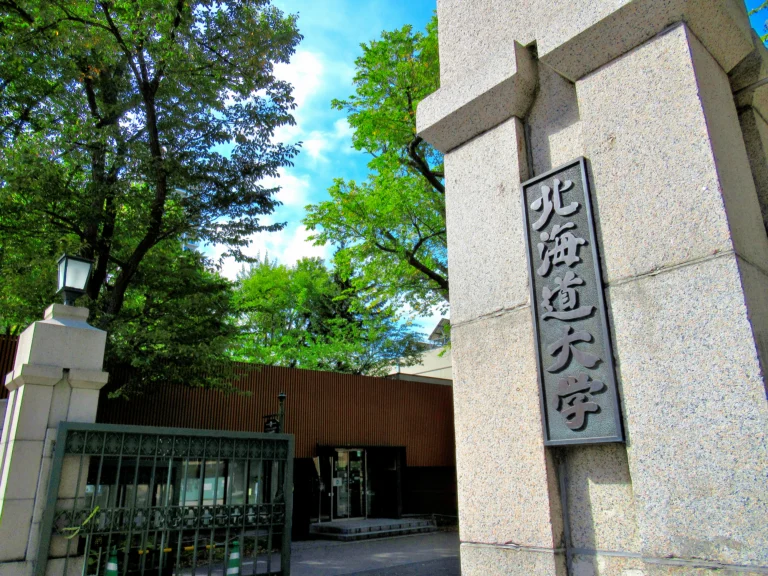
On July 27, 2026, Hokkaido University issued its first-ever proper apology for a prewar research program. The medical school collected and studied more than 1,000 sets of Ainu remains. The university expressed that the work “deeply wounded the dignity of the Ainu people.”
University President Houkin Kiyohiro (寳金清博) released a rector’s statement and a third investigation report linking the study to a discriminatory, colonial-era premise. This closes a decade in which Ainu groups have had to fight through the courts for the return of ancestral remains, during which the university had not apologized for the study and theft of the remains.
This apology has been released just days before the university’s 150th anniversary and a stubborn online movement that continues to falsely claim that the Ainu are not indigenous. We have covered these false claims before, reporting about the Sapporo city council hiding behind “free speech” on public exhibits. The Japanese government has also reiterated that Ainu are indeed indigenous.
The apology and its specific wording
Hokkaido University President Houkin Kiyohiro (寳金清博; the university officially romanizes him as Kiyohiro Houkin) issued a rector’s statement (総長声明, sōchō seimei). The statement expresses that the medical school’s research on the Ainu remains “deeply wounded the dignity of the Ainu people” (アイヌの人びとの尊厳を深く傷つけた).
It also offers “heartfelt apology to all Ainu people” (すべてのアイヌの人々に対し心からお詫び申し上げます). This is the first time the university has offered a direct apology for the research.
Statements made by the university in 2005 and 2019 called its handling of Ainu remains “extremely regrettable” and said it “sincerely reflects” (真摯に反省), but never apologized. This is the first time it has used the language of お詫び / 謝罪 (owabi / shazai, a formal apology).
Bizarrely, university President Houkin stated that the six-year gap was due to the university needing to wait for verification.
Grave robbing
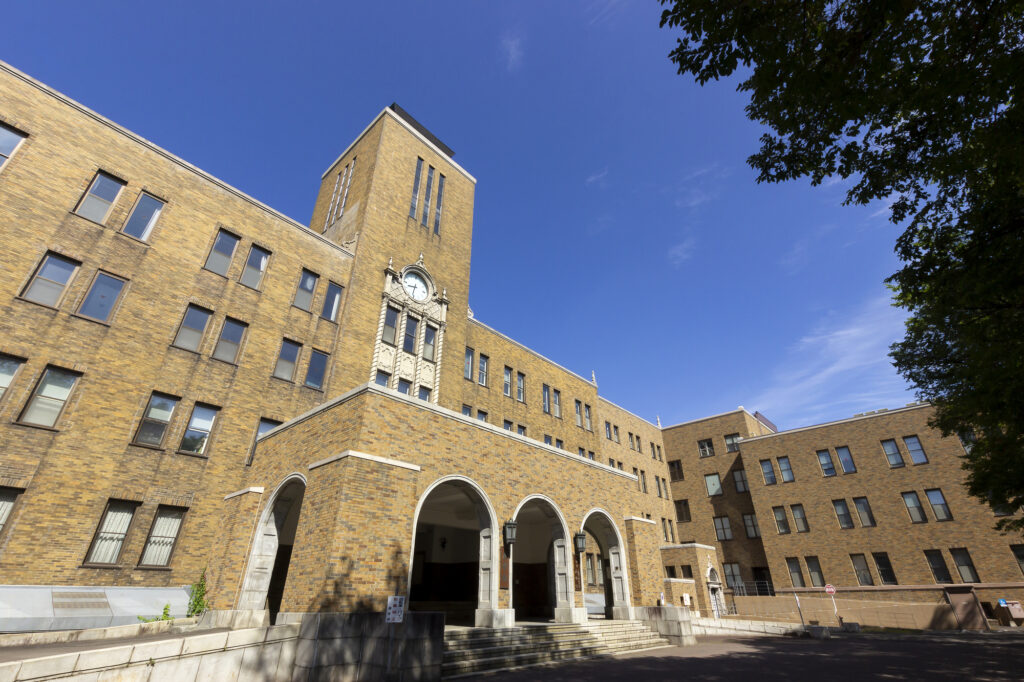
The third investigative report scrutinized a Japan Society for the Promotion of Science (日本学術振興会, JSPS, the government’s main academic-research funding body) project titled “Medical and Ethnobiological Research on the Ainu.” This project was carried out by eight departments of the medical school at Hokkaido Imperial University (北海道帝国大学, the prewar predecessor of today’s Hokkaido University) from 1933 to 1937 (Shōwa 8-12).
This report uncovered that the research began from the assumption that a specific ethnic group was physically and mentally inferior. The research was “based on discrimination and prejudice against the Ainu,” and lacked ethical consideration or respect.
The university acknowledged that it held more than 1,000 sets of Ainu remains (遺骨, ikotsu) and grave goods (副葬品, fukusōhin) taken from graves across Hokkaido for research. It admitted that its storage and handling of the remains had “lacked consideration for their dignity.”
Question: do you like UJ's independent coverage of Japan? Our writers are supported by our members. Join Unseen Japan Insider to get bonus content every week, an ad-free website, and access to our large and growing Insider archive.If you love UJ's independent coverage of Japan, join Unseen Japan Insider to get content every week, an ad-free website, and access to our large and growing Insider archive.
Support for the apology
Multiple civic groups and roughly 100 Hokkaido University faculty and staff had publicly demanded one. They argued the research posed serious ethical problems. The apology comes just before the university’s 150th-anniversary observances (it traces its roots to the Sapporo Agricultural College, which opened in 1876).
The university says it will restate the apology at the anniversary ceremony.
The apology comes after a court decision ruling in favor of the Ainu. The Urahoro Ainu Association, now the Raporo Ainu Nation (ラポロアイヌネイション), sued Hokkaido University in 2014 and settled in 2017.
The university’s own 2019 statement records that it returned 85 sets of remains and 34 boxes between 2016 and 2018. This is in addition to 35 sets returned between 1985 and 2001. The same group went on to win returns from Sapporo Medical University and, in a landmark 2020 settlement, from the University of Tokyo.
In the 2020 University of Tokyo settlement, remains were returned to a court-recognized Ainu group rather than to an individual ritual heir (祭祀承継者, saishi shōkeisha) under Wajin (ethnic-Japanese) inheritance law. This opens a path to return even unidentified remains to the Ainu community.
Unclaimed remains have been collected and placed in a memorial facility (慰霊施設, irei shisetsu) at Upopoy (ウポポイ / 民族共生象徴空間), the national Ainu museum complex in Shiraoi. Notably, the Japanese government, rather than indigenous groups, controls this facility.
This explains why many Ainu reject this approach to consolidate the remains in one place. One activist called confining remains there “unbelievable”. In May 2026, the Shibechari Ainu Tribe (シベチャリアイヌトライブ) sued the state to recover 279 sets of remains held at Upopoy that Hokkaido and Tokyo universities had taken from Shinhidaka.
Public reaction splits
A separate suit by the Raporo Ainu Nation sought the recognition of Ainu rights to catch salmon in the Tokachi River. This was rejected by the Sapporo District Court in 2024. The court upheld this decision in July 2026, and the group has dropped its appeal.
This is a sad reminder that while the Ainu have been formally recognized as indigenous by the Japanese government through the 2019 Ainu Policy Promotion Act, アイヌ施策推進法, their rights have still not been restored.
Many reader comments on the Yahoo! News article advocated “welcome, but finish the job.” Many insist the apology’s careful language dodges the fact that the university engaged in grave-robbing to obtain the remains.
One specific user noted that global norms now support repatriating indigenous remains. Ainu groups have previously recovered remains from Melbourne Museum in Australia. This shows how slow organizations in Japan have been to fix these issues.
Sadly, a loud but heavily downvoted minority used the same thread to deny that the Ainu are indigenous or to cast the issue as a “vested interest.” These people struggle to understand that Ainu are living people, not a dismissible part of the past.
Keep reading

Sources
本学医学部で行われたアイヌ研究に関する総長声明(2026年7月27日) 北海道大学
「アイヌの人々の尊厳を深く傷つけた」北海道大学総長が謝罪…研究目的で集めた1000体超の遺骨に関し返還後も謝罪行っておらず…開学150周年を前に市民団体や教職員らの求めに応じる UHB北海道文化放送
アイヌ民族遺骨問題 北海道大学が謝罪 「尊厳を深く傷つけた」 北海道新聞
北海道大学はアイヌ遺骨問題で謝罪するのか 踏み込めない「壁」とは 北海道新聞
【北海道大学】アイヌ民族の遺骨収集など過去に行った研究について謝罪 寳金清博総長「すべてのアイヌの人々に対し心からおわび申し上げます」 HBC北海道放送
アイヌ遺骨返還求め提訴 ウポポイ保管の279体―札幌地裁 時事通信
「盗ったものは謝って返して」アイヌ民族が求める遺骨返還 「慰霊施設」に集めて移管じゃ浮かばれない 東京新聞
本学が保管するアイヌ遺骨に関する声明(2019年11月5日) 北海道大学
ラポロアイヌネイション ウィキペディア(日本語版)