
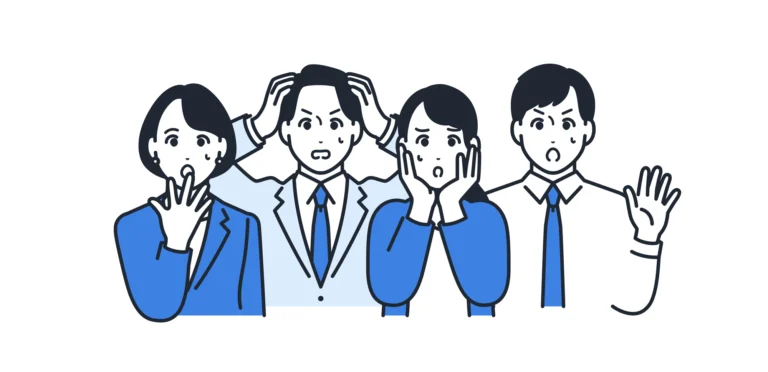
Almost all English-language media talks about culture shocks in Japan from the perspective of a Westerner wandering into unfamiliar territory: no shoes on tatami, vending machines, etiquette on public transport.
When you consider that most English speakers live in Western countries, it makes sense why the media tends to frame listicles and think-pieces this way. But that means that you rarely hear about the culture shock that Asians experience when they move to Japan. As a result, people end up missing a huge part of the picture since those moving to Japan are mostly Asian, not Western.
Immigration to Japan: culture clashes between Asian countries

At the end of 2024, Japan had 3,768,977 foreign residents, a record high and a 10.5% increase in just one year. By the end of 2025, the total had passed 4 million for the first time (4,125,395). Eight of the 10 largest foreign-resident populations came from Asia, led by China, Vietnam, and South Korea.
As a result, some of the most interesting “culture shocks” in Japan are happening between neighboring Asian cultures, not between Japan and the West.
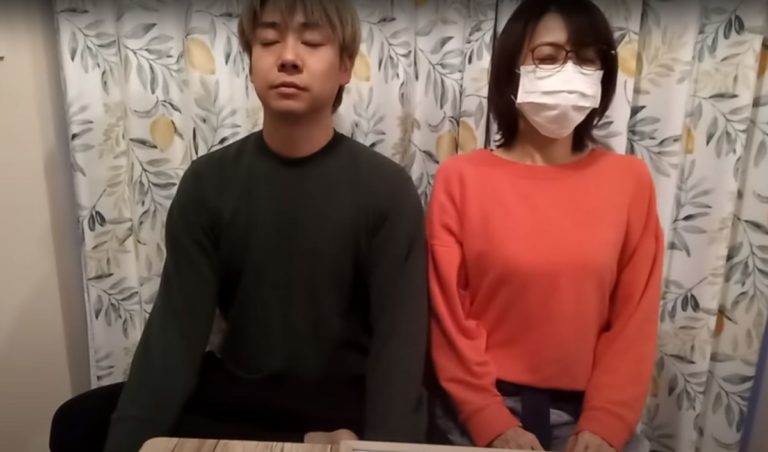
A viral discussion among Korean workers offers a good example. The Korean hosts of the “Korea JIN” YouTube channel have worked in Japan and talked about “katakana hell.” This is Japanese corporate jargon built from English loanwords. They can sound like English but make little sense to an actual English speaker.
The hosts also described a Japanese habit of sending a colleague sitting right next to you a full email, then telling them out loud that you sent it. This was supposedly to leave an evidentiary paper trail. They also pointed to an unexpected role reversal: today, they said, it’s Japanese bosses and seniors who have to read the moods of their juniors, not the other way around, and younger employees get credit for making offices easier to work in. Even for people from South Korea, a country with its own strict workplace hierarchy, that kind of shift can be disorienting.
Asian culture isn’t universal, and those gaps make a difference
That closeness is part of what makes these stories interesting. South Korea is one of Japan’s closest neighbors, but culturally, there are stark differences. The biggest recurring shock may be the Japanese way of saying “no.”
Across Vietnamese, Nepalese, and other foreign-resident accounts, the same complaint keeps appearing: Japan requires people to read the room. A phrase such as “We’ll consider it” (検討します, kentō shimasu) or “Let me think about it” (考えておいて, kangaete oite) may sound like an invitation to keep negotiating. As one Vietnamese engineer explains, it often takes time to learn these are usually a polite way of saying no.
In Japanese, the phrase honne to tatemae (本音と建前) refers to the gap between people’s true inner thoughts versus what they say publicly. It can take years to understand. For newcomers, especially those from cultures that trade in more direct communication, learning to decode the unsaid can be harder than learning the language itself.
Strict work culture and stricter procedures
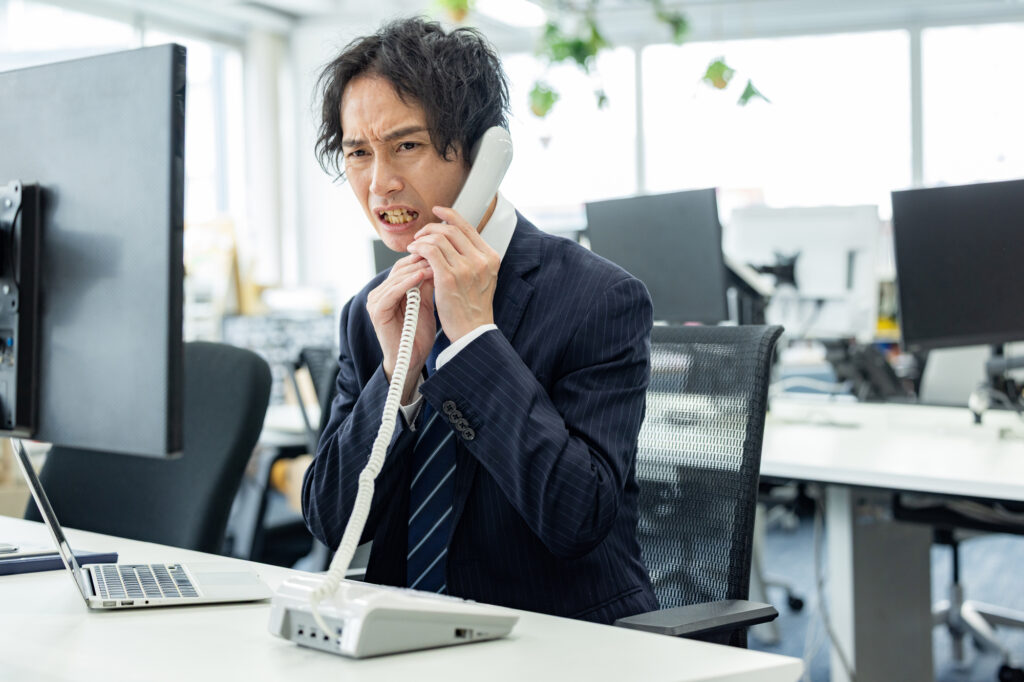
How workplaces in Japan usually run creates another shock for many immigrants. A Chinese temp worker recalled feeling pressured to sit at their desk and pretend to be busy even with nothing to do. Back in their home country, no one took issue if they took a break when there was no work.
Japan also has an obsession with procedures that isn’t readily found in many other Asian countries.
New employees may receive detailed instruction on everything from exchanging business cards to how and when to report progress. Manuals and numerous confirmations are meant to prevent mistakes. To workers accustomed to greater individual discretion, however, the system can feel less like support and more like being asked to document every move.
Even talking about money can be different. One Indonesian coordinator writing for Asian HR Journal described salary comparisons among trainees back home as relatively normal.
In Japan, discussing pay can be much more sensitive. One Indonesian trainer recalled trainees discovering differences in overtime pay between production lines and immediately asking to transfer to the better-paid positions. It was a level of wage transparency that Japanese supervisors weren’t always ready to handle.
Question: do you like UJ's independent coverage of Japan? Our writers are supported by our members. Join Unseen Japan Insider to get bonus content every week, an ad-free website, and access to our large and growing Insider archive.If you love what we do, help us pay our writers to do more of it by joining Insider. You'll get bonus content every week, an ad-free website, and access to our large and growing Insider archive.
Religious accommodations and shifts in lifestyle

Religion is another area where Japan is still figuring things out as immigration changes. Growing numbers of Indonesian workers include Muslims who need space for daily prayers, halal food, and appropriate workplace arrangements.
One Indonesian worker shared their experience, saying that the factory they worked at created a prayer room and added halal food to the menu every Friday. They also changed the rules to let people wear hijabs. Before, the factory hadn’t allowed it due to safety concerns that the fabric might catch in the machinery. Afterward, the factory made accommodations, saying that wearing a hijab is fine as long as it’s snug.
The good kind of culture shock
Culture shocks aren’t always bad, though. Trains arrive almost exactly when they’re supposed to, and the silence on a packed train can be a relief after a long day of work. Newcomers also notice the lack of public trash cans, and then wonder how clean the streets remain anyway.
Vietnamese residents praise Japan’s everyday trust. Vending machines can sit unattended, people often return lost wallets, and strangers provide surprisingly reliable service. Convenience stores, four distinct seasons, public transportation, and the simple ritual of soaking in a bathtub can all become things newcomers genuinely love.
Sometimes the surprise runs in the opposite direction. One Nepalese resident was astonished that Japanese children generally do not use honorific language when speaking to their parents. In Nepal, formal language toward parents is common from childhood. So, what sounds comfortably casual to a Japanese person can sound disrespectful to someone from another culture.
Another perspective on culture shock
Japan’s immigration story is no longer mainly about Westerners discovering an “exotic” country. It is increasingly about millions of people from neighboring Asian societies living, working, eating, praying, and raising families here.
Their experiences reveal something more useful than a list of “weird Japan” moments: culture is relative, adaptation goes both ways, and living in a place helps you truly understand it.
Keep reading


Sources
令和6年末現在における在留外国人数について 出入国在留管理庁
2024年末の在留外国人376万人 3年連続で過去最多を更新 nippon.com
【在留外国人白書2025】データで見る在留外国人「国籍ベスト10」 外国人プレス
韓国人が衝撃を受けた日本の会社文化 ビジネス用語に困惑も ライブドアニュース
ベトナム人が日本で驚いた10のカルチャーショック note(日本で働くエンジニア)
在日中国人派遣社員が感じた日本の職場 note(李ちゃんねる)
グローバルウィンド「ネパール人から見たニッポン」(2023年10月) 東京都中小企業診断士協会 中央支部
【技能実習生の指導経験から】インドネシアと日本の文化の違い アジアンHRジャーナル
令和7年末現在における在留外国人数について 出入国在留管理庁
東海道新幹線 ~不断のサービスの充実~ JR東海 アニュアルレポート2025
遺失物取扱状況(令和7年中) 警視庁