
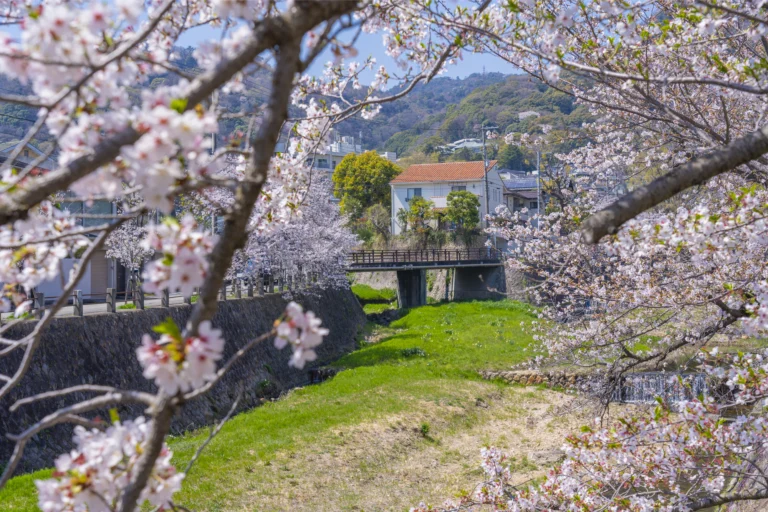
Nestled between Osaka and Kobe, Ashiya is a place that many travelers pass by without a second thought. Trains speed by, carrying commuters and tourists between Kansai’s two biggest cities. Yet it has a unique reputation among those living in Japan.
For most Japanese people, Ashiya is associated with hillside mansions, old money, and an elegant lifestyle that developed during the early 20th century. However, it’s not just a swanky resort for rich folk. It makes for a surprisingly scenic, less-traveled tourist spot, with striking architecture, literary history, and riverside walks.
Getting to and around Ashiya
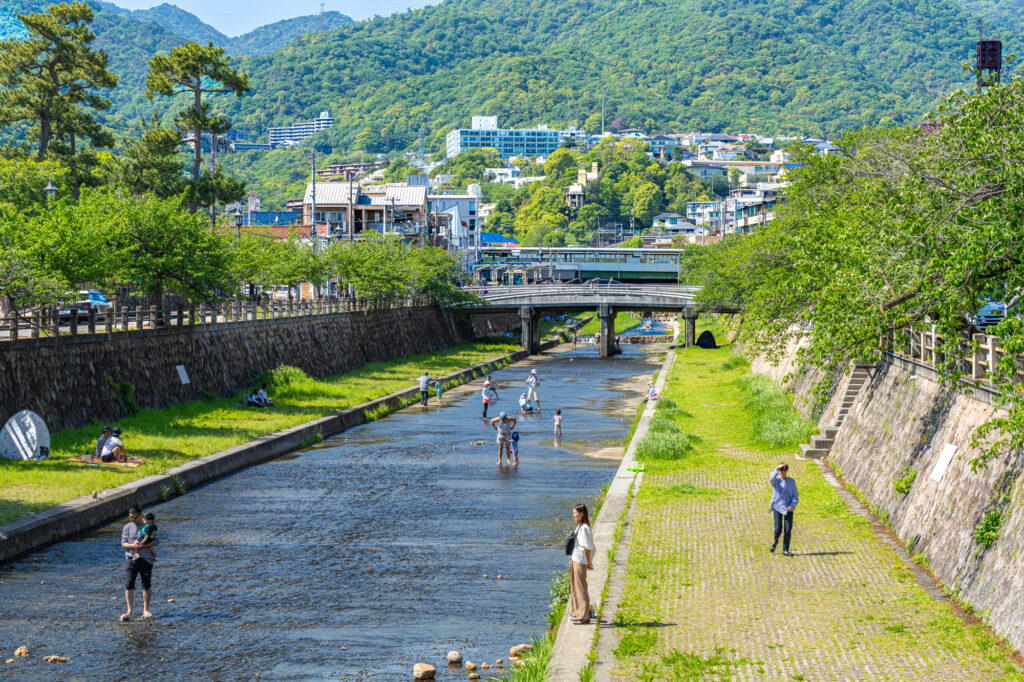
You can find Ashiya in Hyogo Prefecture’s Hanshin region, stretching from the slopes of the Rokko Mountains down to Osaka Bay. The Ashiya River runs through the center of the city, dividing it from north to south.
Despite its reputation for exclusivity, getting there is surprisingly easy. JR Ashiya Station sits on the Kobe Line where loads of trains come through. Whether you’re departing from Osaka Station or Sannomiya in central Kobe, the trip takes roughly ten minutes.
The city has two more train stations on top of that, making travel via public transportation ridiculously easy. The area is also relatively small and not crowded with tourists, making walking a viable option between stations. So, you don’t have to break the bank on a rental or taxis.
Hanshinkan Modernism and Ashiya’s early beginnings
Ashiya’s reputation as an upscale landmark dates back more than a century. After the Great Kanto Earthquake devastated Tokyo in 1923, many wealthy families and business leaders looked westward to rebuild.
As a result, many merchants and cultural figures ended up building villas and settling down in the Hanshin region between Osaka and Kobe. After that, local culture and lifestyle, not just architecture, took on a life of their own, blending Japanese tradition with Western influences into the 1930s.
This period became known as “Hanshinkan Modernism” (阪神間モダニズム). Ashiya was right at the heart of it, so visiting here is like getting a personal peek into a lesser-known side of Japanese history.
Yodoko Guest House: a must-visit for architecture enthusiasts
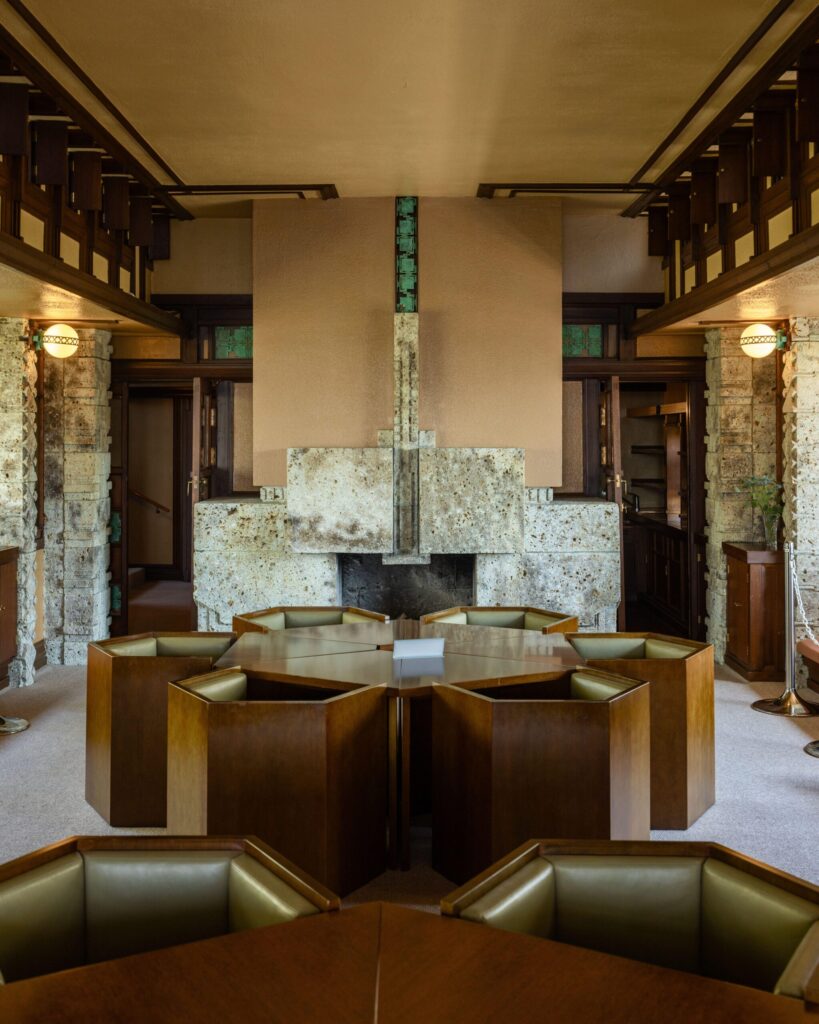
To get a feel for Ashiya, the first place you’ll want to go is the Yodoko Guest House. The famous architect Frank Lloyd Wright designed this hillside villa for Yamamura Tazaemon, a sake brewer. After he returned to the United States, his Japanese associates, Endo Arata and Minami Shin, completed the project in 1924.
Today, the building is the only surviving Wright-designed residence in Japan that remains largely in its original form. (The Imperial Hotel is another by Wright, though it’s seen some changes over the years.) So, no surprise that the government designated it an Important Cultural Property. The architecture blends in neatly with its natural surroundings, something that Wright was known for in his approach to building design.
Visitors can explore the guest house’s interior and climb to the rooftop terrace, which offers sweeping views across the city, the Rokko Mountains, and Osaka Bay.
Address: 3-10 Yamatecho, Ashiya, Hyogo 659-0096
For lovers of literary history, Tanizaki Jun’ichiro Memorial Hall is a must
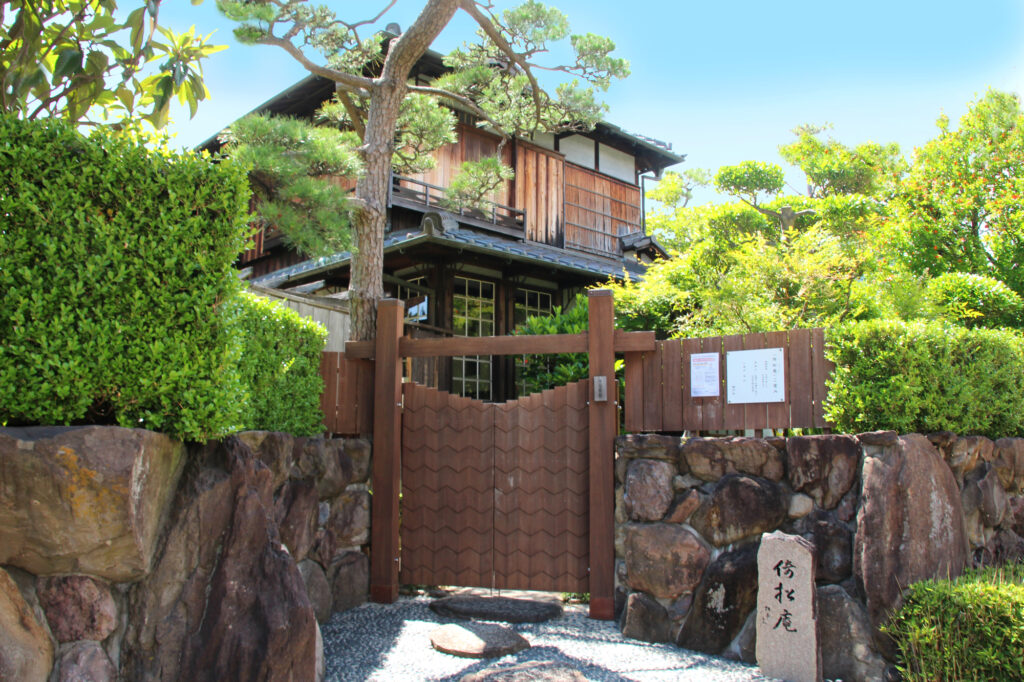
Love books? Be sure to make time for the Tanizaki Jun’ichiro Memorial Hall. Opened in 1988, the museum celebrates one of Japan’s most famous novelists. Tanizaki lived in the Hanshin area during the 1930s, and the region inspired what is possibly his best-known novel, The Makioka Sisters.
The memorial hall displays manuscripts, letters, personal belongings, and other items connected to the writer. The building itself, designed in a traditional sukiya style, also reflects Tanizaki’s aesthetic tastes. Fans of The Makioka Sisters can get valuable insight into the social world and cultural atmosphere that helped shape the novel.
Want to celebrate other famous Japanese novelists while in Japan? Consider making a stop in Tokyo’s Ginza and checking out the bar where Dazai Osamu drank.
Address: 12-15 Isecho, Ashiya, Hyogo 659-0052
Rokurokuso: history encapsulated in a peaceful, upscale neighborhood
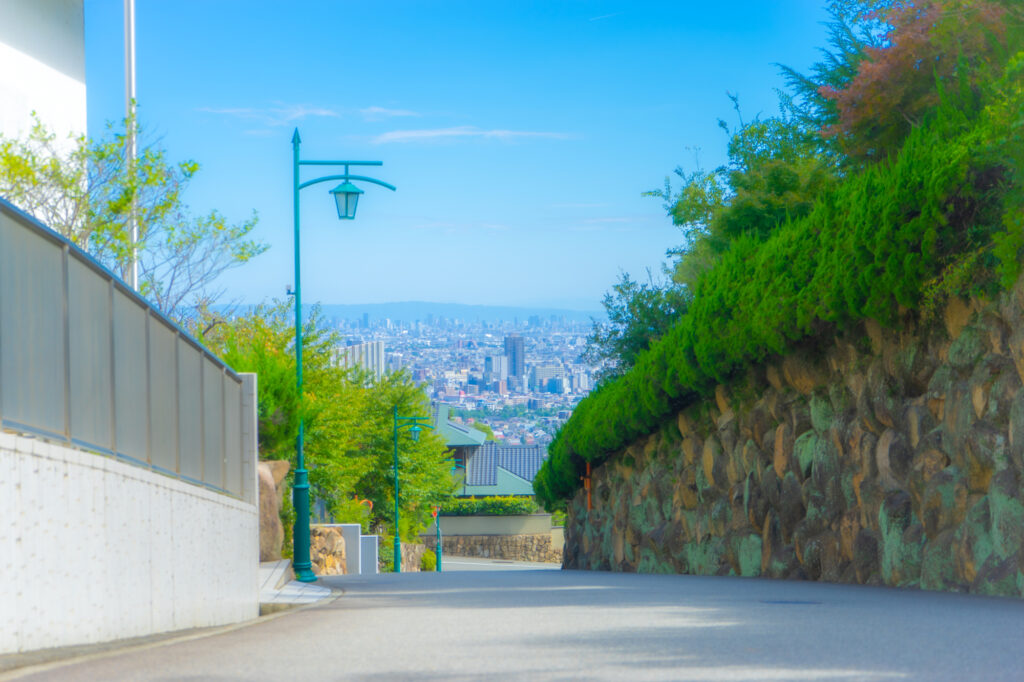
If you’re curious about Ashiya’s reputation as the “it” place for wealthy folk of the 1920s, you need to look up Rokurokuso. Prominent Kansai business leaders began developing it in 1928, and they were dead set on turning the neighborhood into the finest villa district in the country.
Even today, it has a neighborhood association that governs the area with strict rules. Homes must sit on large lots, only single-family residences are allowed, and commercial conveniences such as vending machines, traffic signals, and convenience stores are absent.
Just remember: Rokurokuso isn’t a tourist attraction. It’s a residential neighborhood with people living there, so be conscious of that. You can admire the quiet streets and landscaping while strolling the public roads, or, better yet, try out the hiking trail at the foot of the mountains. (It’s not the only mountain forest escape near Osaka, either.)
Hiking Trail Entrance Address: 26-7 Rokurokusocho, Ashiya, Hyogo 659-0011
Ashiya River, Shio-Ashiya Beach, and more
For simpler pleasures, all you need is a walk along the Ashiya River. The river flows from the mountains to the coast, passing through the heart of the city. The riverbank has over a hundred cherry blossom trees, and they paint a pretty picture come spring.
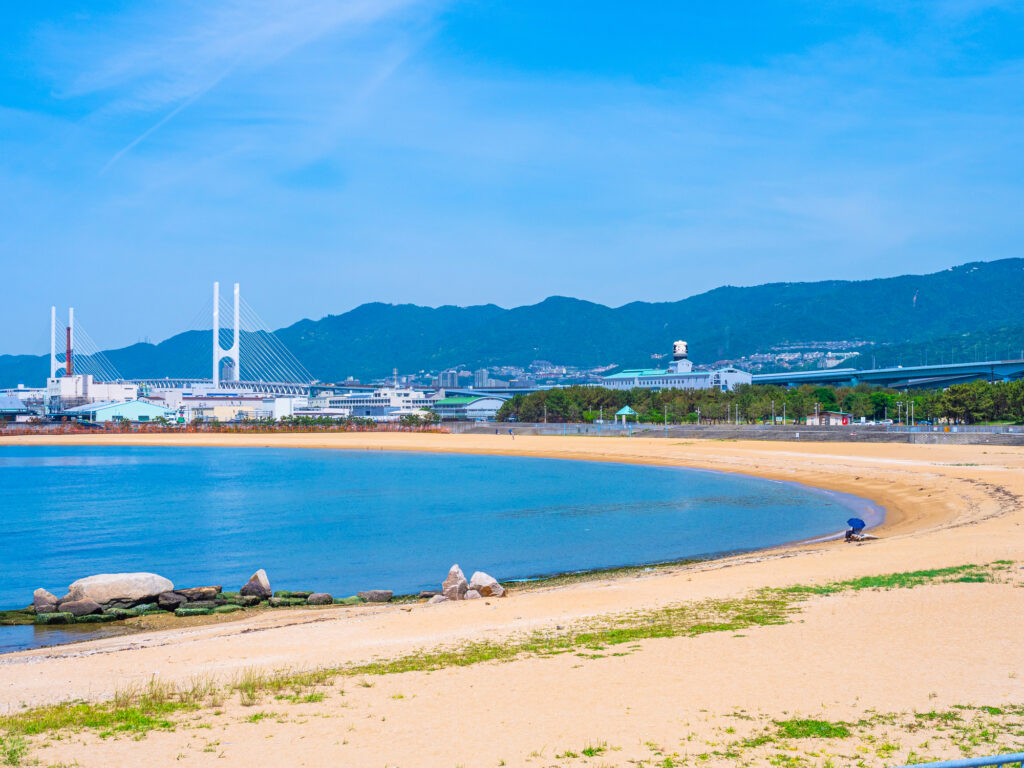
Further south lies the waterfront and Shio-Ashiya Beach. Although swimming is not permitted, the man-made shoreline offers open views of the bay and serves as a pleasant spot to relax. During the summer, the area hosts the Ashiya Summer Carnival and a popular fireworks display.
If you ever wander through the city at large, you might also notice the careful attention paid to urban design. Ashiya restricts flashy signage, bans pachinko parlors and love hotels, and encourages a cleaner visual environment. Even chain stores tend to use more subdued versions of their usual branding to match the city’s overall aesthetic.
For travelers looking for a slice of the “real” Japan, Ashiya is exactly that. It’s very polished, sure, but like other underrated gems such as Kanazawa and Fukuoka, it’s a genuine part of Japanese history.
Shio-Ashiya Beach Address: Minamihamacho, Ashiya, Hyogo 659-0037
Want to include Ashiya and other hidden gems on your Japan trip? Unseen Japan Tours will create a custom itinerary for your group matched exactly to your interests. We can also serve as your Japanese-fluent guides to places non-Japanese speakers can’t access. Talk to us today →
Keep reading
Sources
農村から邸宅街へ。芦屋はいかにして「憧れの街」になったのか? colocal
ヨドコウ迎賓館(旧山邑家住宅)アクセス・営業時間・料金情報 Jalan.net
芦屋市谷崎潤一郎記念館 Ashiya City Official Website
芦屋市谷崎潤一郎記念館 Wikipedia (Japanese)
芦屋・六麓荘町が「日本最後の高級住宅街」と言われる理由 THE GOLD ONLINE
芦屋川河畔の桜並木 アクセス・営業時間・料金情報 Jalan.net