
 TRAVEL
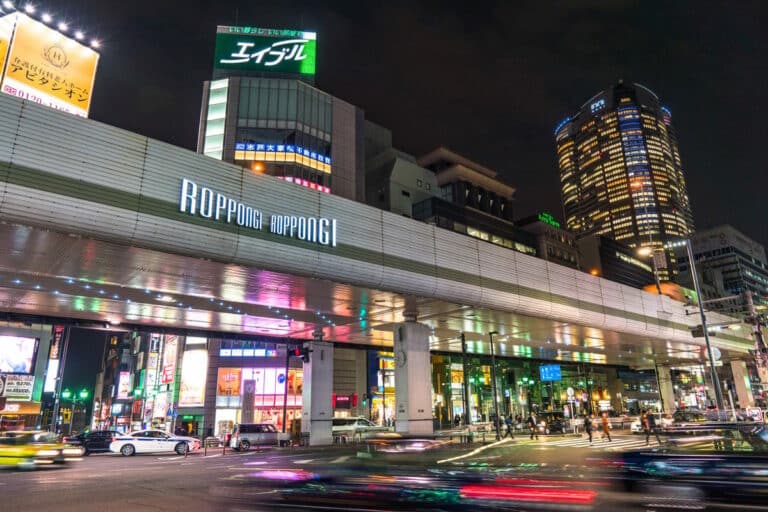
French Tourist Arrested for Punching a Woman in Roppongi
A 23-year-old French man had too wild of a night in Roppongi that ended with him slugging a woman and, eventually, being…
Page 46
Okay, look. As a company that also runs tours, we publish a lot of "here's why you should come to Japan" content. And why not? We love Japan! That's why we live here and started this site! But we also recognize the responsibility to go further.
Japan receives tens of millions of visitors a year, and the story of that tourism - where people go, how they get there, what they find, and what they cost the places they visit - is one of the most consequential ongoing stories in the country. This category covers *everything* about travel to and within Japan: destinations, logistics, policy, and the social dynamics that shape what it actually means to be a visitor here.
We write about travel the way we write about everything else: with an eye on the underlying tensions, not just the itinerary. That means reporting on dual-pricing debates at heritage sites alongside the local governments and community groups navigating visitor overload. It means covering transportation options and safety risks from a perspective rooted in Japanese-language sources and on-the-ground reporting, not tourism board releases.
The themes we keep harping on reflect the reality of Japan's post-pandemic tourism boom: the friction overtourism is generating in residential neighborhoods and at sacred sites; the quiet emergence of cities like Fukuoka and overlooked regions like Shikoku and Suwa as serious alternatives to saturated corridors; the practical concerns facing particular kinds of travelers, including women traveling alone and visitors contending with summer heat that has become a genuine safety issue. We track the cultural phenomena that blur tourism and daily life (from convenience-store pilgrimages to kissaten hanging on in a changing landscape) alongside the policy moves that will shape who can visit, and where, in coming years.
TRAVEL
A 23-year-old French man had too wild of a night in Roppongi that ended with him slugging a woman and, eventually, being…
 NEWS
NEWS
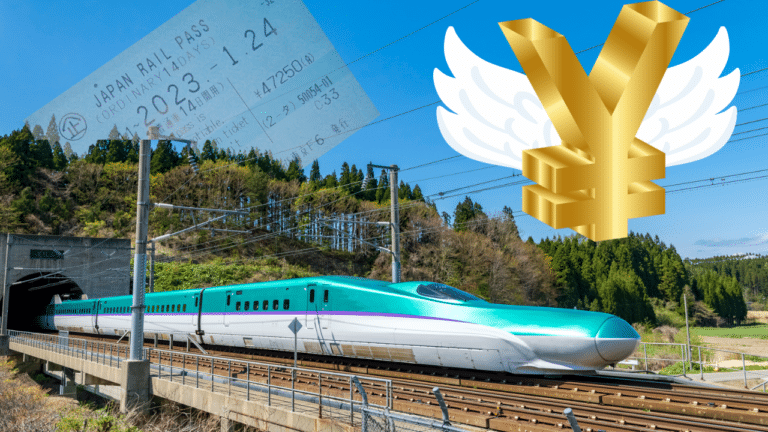
The JR Pass has long been one of the best bargains in international travel. Now, the famed Japan travel deal is increasing…
 TRAVEL
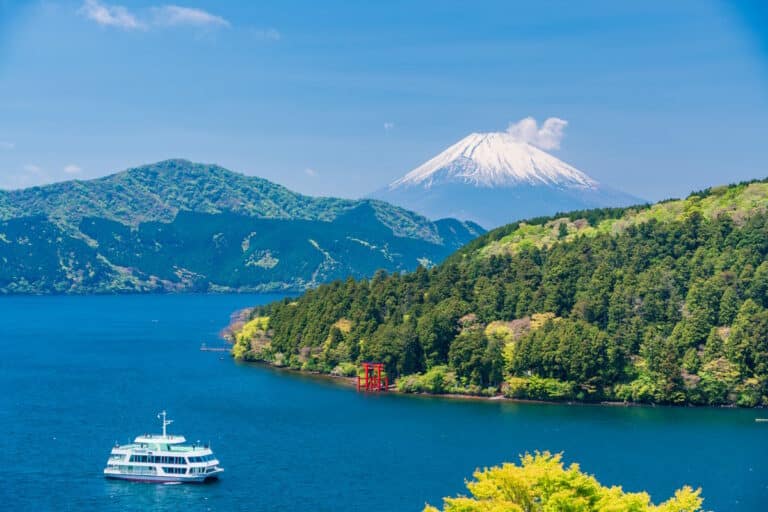
This year's Golden Week in Japan promises to be busy. Here are the hot domestic and international spots for Japanese vacationers.
 NEWS
NEWS
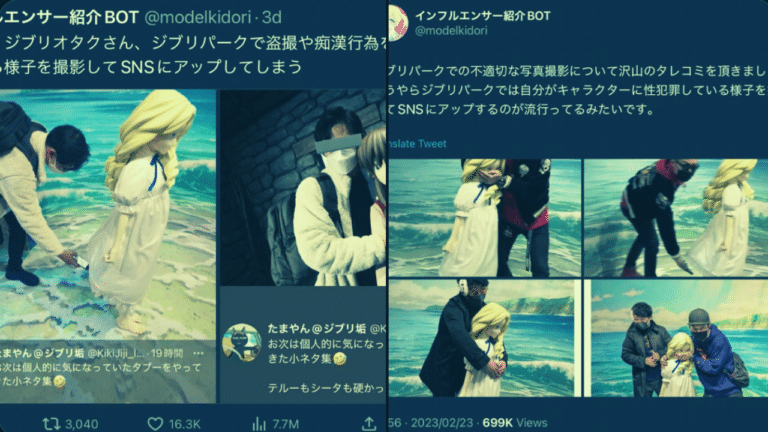
Controversy has erupted in online Japanese spaces over photographs of visitors to the newly-opened Ghibli Park simulating assault on underage film characters.
 CULTURE
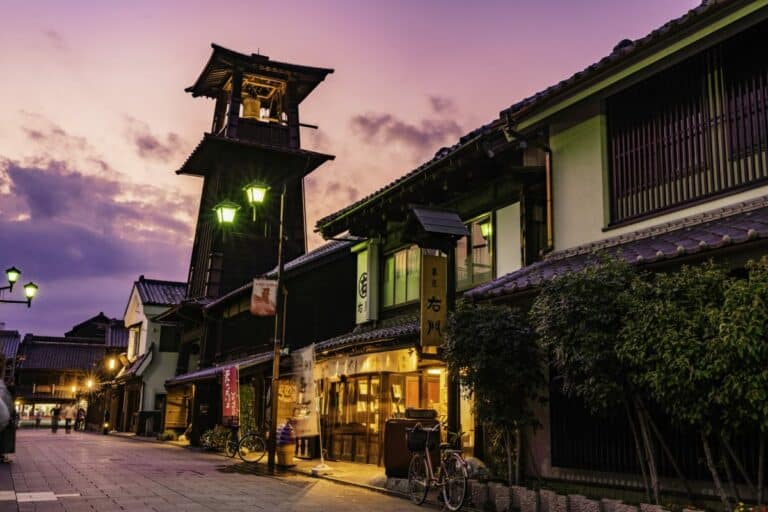
Want to experience Edo-era Japan? Check out the Koedo areas of Japan that strive to preserve a moment in time.
 CULTURE
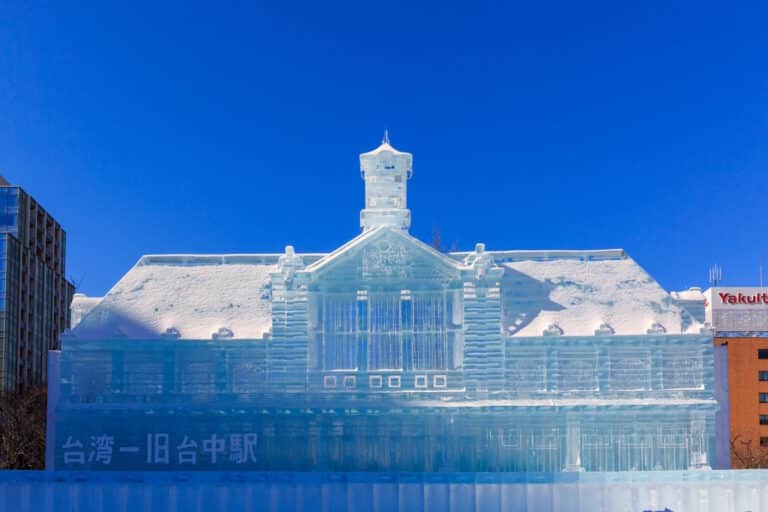
Sapporo's iconic snow festival is back! Some background on its history, what to expect, and how to make the most of your…
 TRAVEL
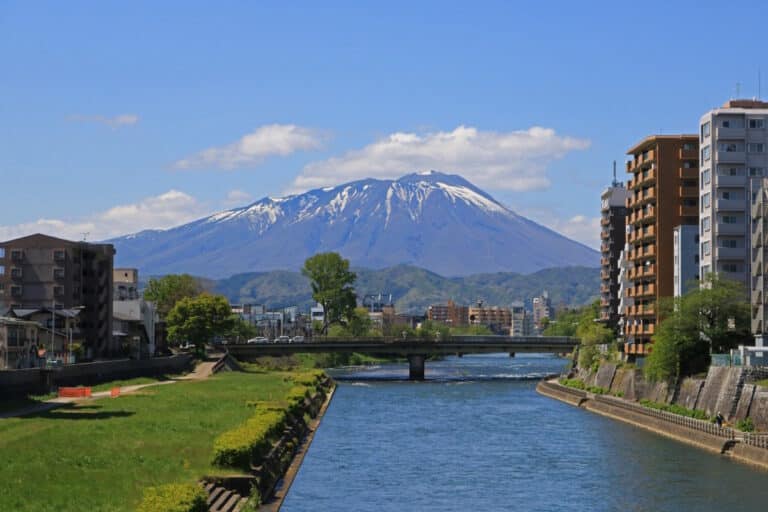
Want to do something a little different on your trip to Japan? Get out of Tokyo and Kyoto and head north to…
 ENTERTAINMENT
Inogashira Goro has eaten his way through Japan. Here are the top five Tokyo spots from The Solitary Gourmet you should absolutely…