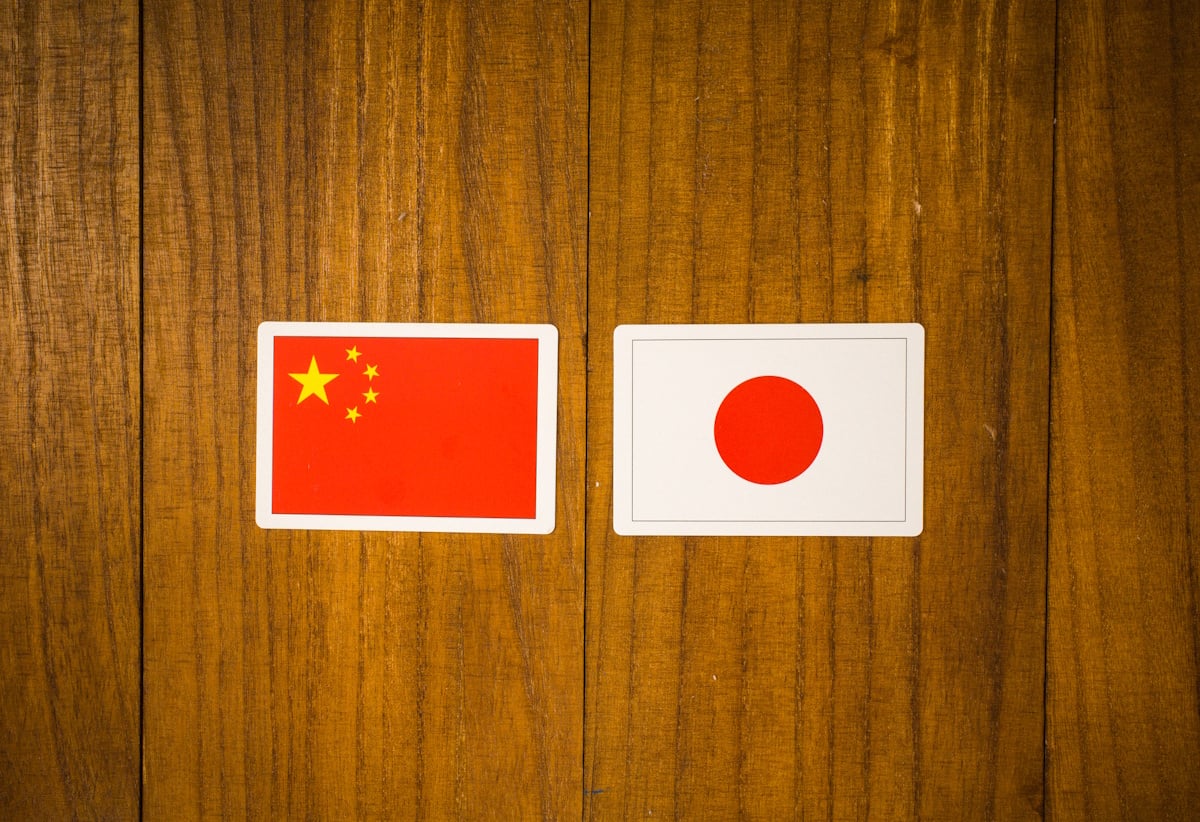


Japan remains one of the most popular destinations for Mainland Chinese travelers. After visa rules eased in 2013, Chinese tourism reshaped Japan’s inbound market. Even after the pandemic, visitors returned quickly, eager to relax in hot springs or indulge in shopping. Cities across the country had been preparing for a strong winter season.
But that momentum seems to have come to a halt. After newly elected Prime Minister Takaichi Sanae told the Diet that a Chinese attack on Taiwan could create a “survival-threatening situation” for Japan, Beijing reacted sharply. China condemned her remarks, summoned Japan’s ambassador, and demanded a retraction. The dispute escalated further when China’s consul general in Osaka posted on X that “the dirty head that sticks itself in must be cut off,” prompting a formal protest from Tokyo.
Sparks flew, not only on the political stage but also on the airport runway. In retaliation, China issued a travel advisory urging citizens to avoid Japan for the time being. The move raised a pressing question: how deeply will this warning affect inbound tourism, and what does China hope to accomplish?
Early Impact: Cancellations hit tour groups and schools
The effects appeared almost immediately. Japanese travel agencies reported sudden cancellations from Chinese group tours, many scheduled for late November and early December. Airlines waived cancellation fees within hours of the advisory, which accelerated the shift. RCC Inc., a major Tokyo operator, said it lost about 30 group bookings in a single day. Several university programs pulled out as well, including nine groups planning short-term study visits early next year.
Financial markets reacted just as quickly. Tourism-related stocks plunged after the advisory, according to Reuters. Isetan Mitsukoshi fell 10.7 percent, Oriental Land dropped 5.9 percent, and Japan Airlines slid 4.4 percent. Chinese travelers normally make up roughly a quarter of Japan’s inbound market, so sectors like hospitality, luxury retail, and department stores are highly sensitive to sudden shifts.
The cancellations added to broader industry anxiety. Even modest drops in Chinese demand can affect hotels, bus companies, and regional sightseeing routes. One Tokyo importer reported ten contracts canceled in a single afternoon, with partners citing new concerns about safety in Japan. Retail and tourism shares dipped accordingly.
Why Chinese tourists matter to Japan’s tourism economy
Chinese travelers have long played a central role in Japan’s inbound market.
