
Two of Japan’s most familiar and trusted brands, Pigeon and Kewpie, announced that they’re stepping away from core baby products. Both companies point to rising costs and shrinking margins. However, considering that the country is facing its tenth straight year of record-low births, some feel that the timing isn’t a coincidence.
Two companies will stop making certain baby products in 2026
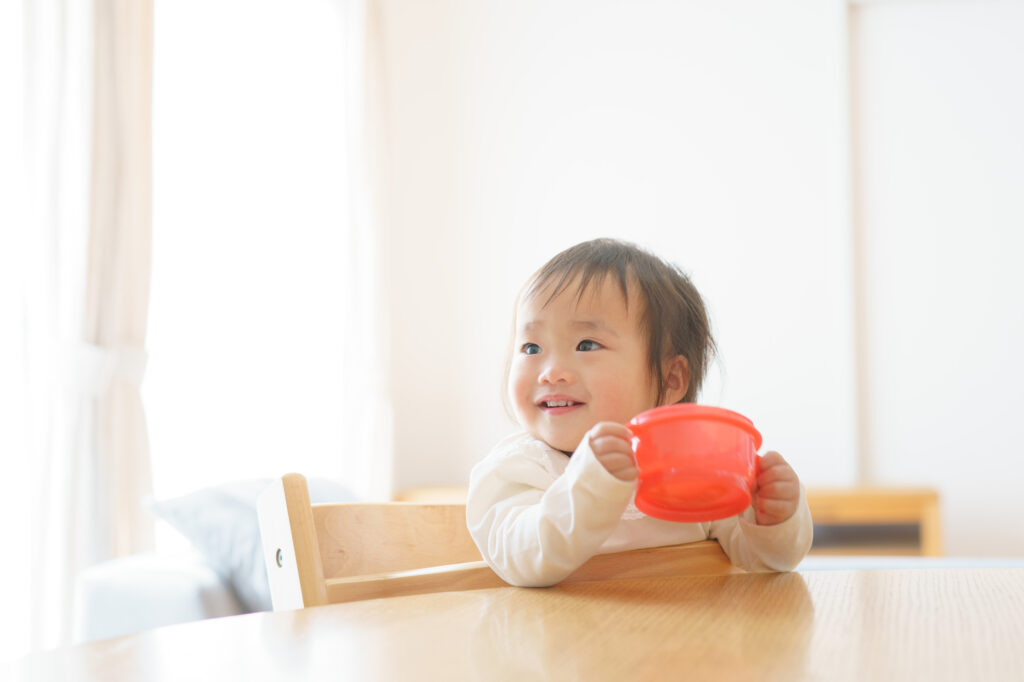
On May 14, 2026, Pigeon (ピジョン), well-known for its baby bottles and childcare essentials, said it will stop producing strollers and bouncers by the end of the year. Shoppers will still see them on the shelves, but only for as long as the already-existing inventory lasts. Once it runs out, that’s it.
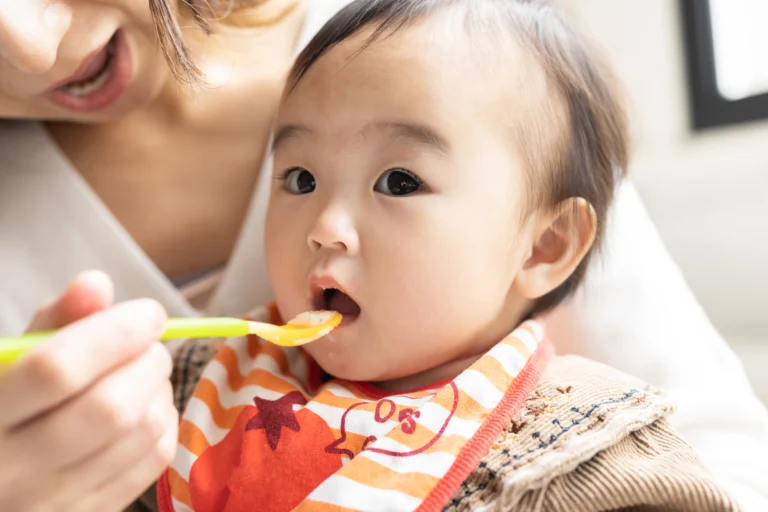
Kewpie (キユーピー), which most readers will probably know for its mayonnaise, made a similar announcement in June of last year. It plans to end production of its baby food (育児食, ikuji-shoku in Japanese) on August 31, 2026. It’s the end of a line that has been running continuously for a whopping 65 years.
Both companies are being careful about how they’re framing their decisions. Kewpie, in particular, has explicitly said it’s not about Japan’s declining birthrate. It instead points to falling sales volume, rising raw material and energy costs, and the high expense of maintaining strict safety standards, especially for glass-jar sterilization and allergen management. Since baby food makes up only a small part of Kewpie’s overall business, it’s hard to justify keeping it around.
Pigeon’s script has followed along similar lines. It said that demand hasn’t disappeared entirely, but when adding up the costs of producing and delivering bulky, safety-critical products like strollers and bouncers, it just isn’t profitable enough.
Not enough babies? How birthrate is changing the market.
With the yearly headlines about Japan’s declining birthrate, it’s hard not to think there’s a connection. The most recent stats for 2025 found only 705,809 births in Japan, 2.1% fewer than in 2024. It being a new record low isn’t even unique, because the birthrate in the past decade has been steadily dropping each year.
Meanwhile, marriages saw a slight uptick to 505,656, but it’s still very low compared to other years in recent decades.
You might think, “Yeah, if there are fewer babies, of course baby products aren’t going to be as profitable anymore.” However, it’s not like the baby product industry is completely tanking.
For example, according to Toyo Keizai, the commercial baby food sector has actually been growing. After all, despite traditional insistence that mashing your babies’ food by hand is best, most working mothers don’t have time for that. Nowadays, more than 60% of mothers return to work before their child turns one, and store-bought baby food can be a lifesaver during busy mornings and late evenings.
Morinaga Milk (森永乳業), for one, clearly sees it as an opportunity. It’s re-entering the baby food market with a different perspective: fewer births don’t mean less spending. Where bigger families might see a need to pinch pennies and mash their babies’ food by hand, smaller families may be willing to invest more per child. So, Morinaga hopes to fill that gap by selling high-quality, specialty products.
Question: do you like UJ's independent coverage of Japan? Our writers are supported by our members. Join Unseen Japan Insider to get bonus content every week, an ad-free website, and access to our large and growing Insider archive.If you love what we do, help us pay our writers to do more of it by joining Insider. You'll get bonus content every week, an ad-free website, and access to our large and growing Insider archive.
Fewer babies means fewer products, which means less desire to have babies

However, there’s a reason why many online have had such a strong reaction to Pigeon and Kewpie’s withdrawal. While Kewpie is hardly the only option for baby food, it was a fairly cheap option, and it looks like the gap it’s leaving behind will be filled with something more expensive. For families who are struggling, that can be a huge burden.
Many have taken to social media to chime in and express their concern. Some have even said that these companies’ withdrawals and the increasing cost of baby products make having kids less appealing.
The burden is especially heavy for women because in Japan, much of child-rearing (including meal prep) still falls on the mother. And when losing the convenience and support that you’ve come to rely on, it can feel like too much to handle. (But in all fairness, that is part of a much bigger issue than some discontinued baby food.)
If the lack of profitability in baby products is because of fewer babies being born, then people’s plummeting desire to have kids will only exacerbate the issue.
The bigger picture and the future of baby products
It’s only natural for a business to make decisions based on profit; any company that doesn’t can easily go bankrupt. But when long-established brands start stepping back from everyday childcare products, it’s understandable why people might get a little worried.
However, no matter how tough parenting gets, humans will always want kids to some extent. Call it the biological clock ticking, or plain old cute aggression when you see a baby pic. And as long as there’s demand, the baby product industry is hardly going to collapse. Right now, it’s going through a period of change; it’s just too soon to see how it will play out.
Keep reading




Sources
ベビーカーおよびバウンサーの生産・販売終了に関するお知らせ ピジョン株式会社
ピジョン、ベビーカーとバウンサーを26年内に生産終了、撤退へ 「安定的に製品をお届けし続けることが極めて困難」 J-CASTニュース
育児食の生産・販売終了のお知らせ キユーピー
キユーピー、育児食から撤退 26年8月に生産停止 日本経済新聞
キユーピーが65年続いた育児食から撤退へ…共働き世帯増加で市場は拡大傾向でも、赤字が続いた理由とは? 東洋経済オンライン
キユーピー離乳食終了が映す共働き家庭の現実 市販ベビーフードの課題とは coki
離乳食、キユーピーが撤退発表するなか再び参入決めた森永乳業の勝算は?「少子化だからこそ高品質」の需要 ORICON NEWS
出生70万人、10年連続最少 昨年、少子化止まらず―婚姻数は増加・厚労省 時事ドットコム