

Bear attacks have been getting worse year by year, and the numbers are hard to ignore. In fiscal 2025, bears injured or killed 238 people nationwide, with 13 deaths. That tops the previous record set just two years earlier.
Sightings have also surged, hitting over 50,000, over double compared with the year before. Poor acorn and beech-nut harvests year after year have pushed hungry bears closer to towns.
In response, more than 10,000 bears were culled in a single year for the first time on record. And with all those dead bears lying around, this thought naturally popped up: instead of letting those animals go to waste, why not eat them?
Serving up bear meat: restaurants ahead of the game
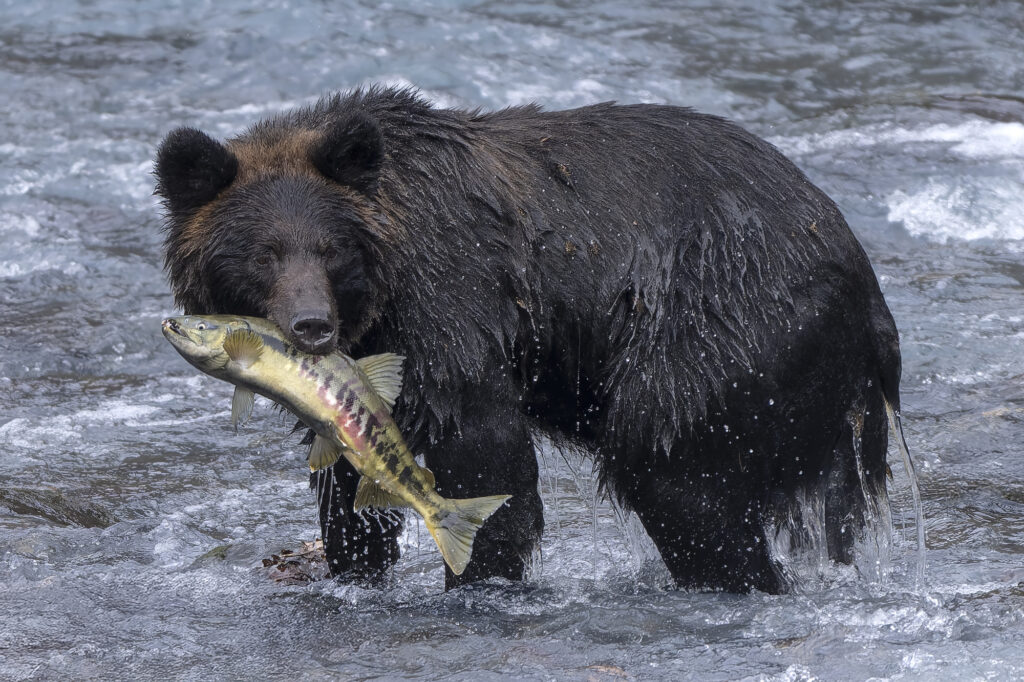
On paper, it sounds like a practical, even sustainable solution. But in reality, turning bears into dinner is far more complicated than it looks.
A June 2026 report spotlighted a Tokyo-area gibier (wild game) restaurant, Le Cocotte (レ・ココット), where Chef Fukuzawa serves bear alongside boar and venison. He’s noticed that every time bear attacks make headlines, customers are more interested in seeing bear on the menu. Even though some might be uneasy at first, people are curious and increasingly open to trying it.
After all, if eating bear could help control the population and reduce waste, it’s a win-win. Most Japanese people are big believers in not letting things go to waste, so it seems like an obvious choice.
Bear meat is also not a complete unknown in Japanese cuisine, which has many unique dishes. In the Tohoku region, there is a collection of Matagi (又鬼) settlements of people who regularly hunt wild game. They are especially known for hunting bears, as offering bear meat is an important part of the regional culture.
Practical hurdles that make bear meat going mainstream difficult
While it may sound like the perfect solution on the surface, bear meat is something of a “phantom ingredient.” It exists in significant quantities, but it rarely makes it to the plate.
The biggest bottleneck is processing. Japan has over 600 meat processing plants that handle game meat such as deer, but only a small fraction of those (about 70, according to Asahi News) handle bear meat. That’s mainly because it doesn’t make economic sense.
For starters, shipping large, heavy animals to processing facilities is no easy task. It’s even harder when you consider that some prefectures, such as Aomori, have strict rules that one must process bear meat within 45 minutes of slaughter. (Though some are more lenient, allowing 2 hours or longer if refrigeration is used.) According to the Tochigi Prefecture Hunting Association, many bear carcasses end up discarded because there’s simply nowhere to process them safely.
Another issue is that the quality of bear meat also varies wildly depending on the season. In autumn, bears have fattened up on nuts and honey and will have rich, flavorful meat. In summer, though, they’ve just woken up from hibernation, and their meat tends to be lean and tough. That difference makes it hard for restaurants to prepare and sell it as a regular menu item.
Cook your bear meat properly… or else
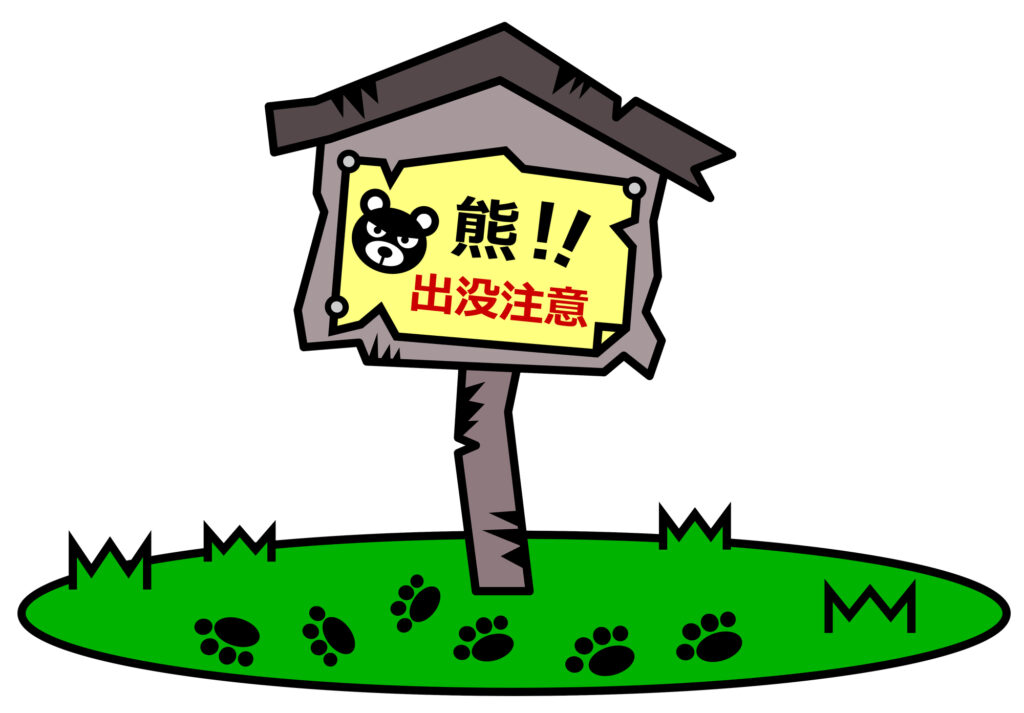
Safety is another serious concern. Wild game has to be cooked thoroughly, and undercooked bear meat, like pork, can give you a parasitic infection called trichinellosis. In 2016, Ibaraki had a lot of sickened diners who ate undercooked bear. Some studies have also linked poorly cooked wild game to hepatitis E.
To make bear meat safe, government guidelines say to cook it to a core temperature of at least 75°C (167°F) for at least one minute.
However, a lot of Japanese people like their meat on the rare side. That’s not too surprising for a country that’s comfortable eating raw fish and raw horse, but it means people have to adjust. Raw hamburger meat in particular has led to public health problems and food safety headlines in the past.
Shifting hunting policies and interest in gibier cuisine
Thanks to the increase in bear attacks last year, officials revised a Wildlife Protection and Management Law in September 2025. This let local authorities approve emergency firearm hunting in residential areas under certain conditions. Before this, using guns in urban spaces was mostly a no-go, which just goes to show how serious the problem is.
At the same time, more people in Japan are becoming interested in gibier cuisine. Game meat consumption has been going up, so much so that the government introduced a national certification system in 2018 to keep up hygiene standards.
As far as gibier goes, deer is the dominant meat, but wild boar and other meats are catching up. Bear is still the outlier there.
Still, there’s no telling where it will go. In Gifu, an izakaya is crowdfunding a canned bear hot pot product, saying it’s “food-based conservation” that will help forest management and hunting communities.
Turning an environmental and safety problem into a solution is appealing, though with all the hurdles in the way, bear meat probably won’t ever become mainstream.
Keep reading
Sources
「あふれ出る肉汁」クマの肉 関心上昇も「処理場ない」季節で違う脂乗り 難しい扱い テレビ朝日系(ANN)
2025年度のクマ被害、全国238人で過去最多 うち13人死亡 日本経済新聞
クマ出没件数、25年度は5万件突破―環境省集計 人身被害も過去最悪に nippon.com
市街地でもクマ発砲可能に 改正法、9月1日施行 時事通信
ジビエ(野生鳥獣の肉)の衛生管理 厚生労働省
クマ肉による旋毛虫(トリヒナ)食中毒について 小樽市
広がるジビエ利用 6年間で1.6倍 料理レシピも多彩に nippon.com
国産ジビエ認証制度 農林水産省
「幻の食材」を使った熊鍋の缶詰プロジェクト実施中 OVO(共同通信)
マタギ ウィキペディア
駆除したツキノワグマ、食への活用が脚光 注文殺到で「追いつかない」 “劇的にうまくなる”秘訣とは? ENCOUNT
令和5年度野生鳥獣肉の衛生管理等に関する実態調査の結果について Ministry of Health, Labour and Welfare