
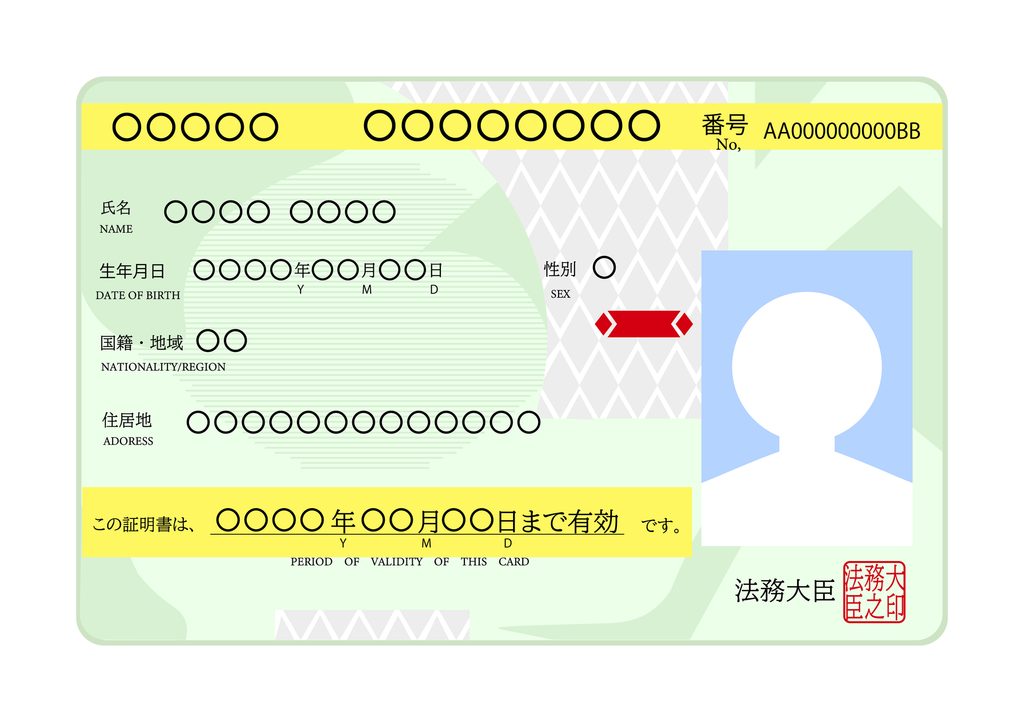
Whenever I stay at a hotel in Japan as a resident, I show my residence card as identification.
But legally, I don’t have to. The law in Japan requires a declaration of nationality and a passport from foreign nationals who don’t have an address in Japan. If you have an address in Japan, though, you only need to provide your name, phone number, and contact details. Legally, lodging operators can’t refuse accommodations if you refuse to prove you live here.
A number of hotels don’t obey the letter of the law, insisting that anyone who “doesn’t look Japanese” produce a residence card. That’s a sore subject for some people who are sick of being treated like outsiders despite having a legal right to be here.
It’s why one Zainichi Korean woman is suing a hotel in Shinjuku.
A special status for Zainichi Koreans
According to the legal website Bengo4.com, a woman from Kobe booked a room in Tokyo’s Shinjuku neighborhood in September 2024. The woman is, for all intents and purposes, Japanese. She was born and raised in Japan as a third-generation member of Japan’s Zainichi Korean population, Koreans who are the descendants of people brought over (sometimes forcibly) during Japan’s colonization of the country from 1910 to the end of World War II.
Before the end of World War II, since Japan considered Korea and Taiwan colonies, Koreans and Taiwanese were regarded as Japanese nationals. The Alien Registration Ordinance of 1947 declared them “foreigners with Japanese nationality.” Then, in 1952, the government circulated a memo stating that they had been stripped of their citizenship.
Japan doesn’t have birthright citizenship; one of your parents has to be Japanese for you to be a Japanese citizen by default. Zainichi Koreans are instead granted special permanent residency status, which allows them to remain in Japan indefinitely. (They may also ask to be put on a naturalization fast-track, with no residency requirement attached, though the government can deny the request with no reason offered.)
A normal foreign resident of Japan has to carry their residence card at all times. Someone with special permanent residency doesn’t. They don’t have to renew their status, and they can only lose their status due to crimes against the state – something that, in practice, never happens.
Japan’s history of eradicating Korean names
Zainichi Koreans can go by a Korean birth name. They also have what’s called a tsūmei (通名), their “passing name,” which is a Japanese name chosen at birth.
When the woman made her hotel reservation, she did so under her Korean name, not her tsūmei. That prompted the front desk clerk to ask for her residence card. Which, being Zainichi, she wasn’t carrying. The clerk insisted she’d have to provide one. Without one, the clerk would need the hotel president’s permission to let her stay.
But then the clerk had an idea. “You were born in Japan, right?” the clerk asked. “So you have a tsūmei. Just write your tsūmei in the guest register, and I can check you in without the president’s permission.”
And that’s where the trouble started. The guest didn’t want to use her tsūmei…and for good reason.