
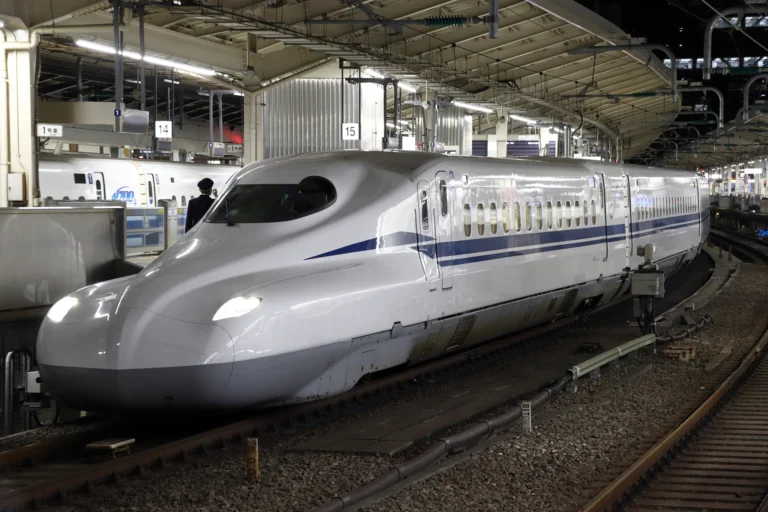
As lodging becomes increasingly expensive in Japan, people taking overnight trips or traveling to see their oshi are looking for ways to keep costs down. JR Central ran a unique experiment in this vein: a “sleeper” version of its popular Tokaido Shinkansen (bullet train).
Even though the sleeping conditions weren’t ideal, the experiment was a success. More interestingly, it proved to be a huge hit with female riders.
Why a sleeper shinkansen?
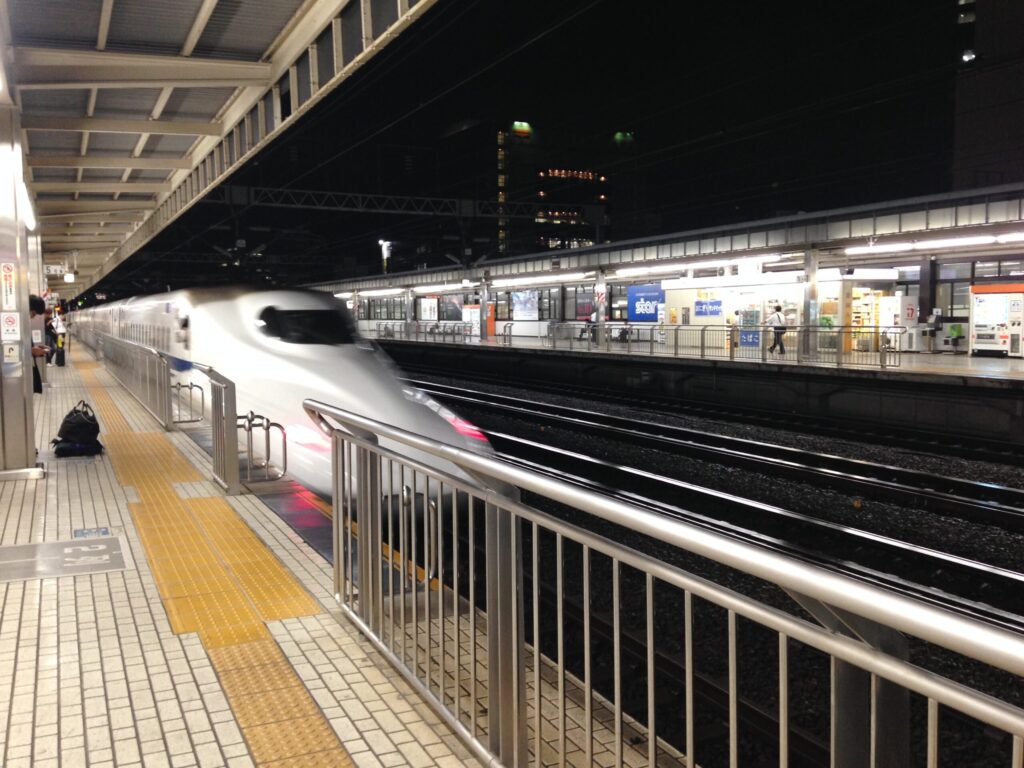
Recently, when we wrote about the new JR East Luna Azul sleeper service, many questioned why it was necessary. Who needs a sleeper car in the age of bullet trains and airplanes?
But sleeper services are responding to a real market demand. The cost of overnight lodging in Japan is rising; even previously cheap options, like business and capsule hotels, are becoming pricey. Accommodation is rising far faster than prices generally: business-hotel average daily rates in April 2026 ran about ¥22,000 (~$139) in Kyoto and ¥21,400 (~$136) in Tokyo. That’s up about 47% since 2018, before the pandemic scrambled the baseline.
That might not sound like a lot of money to Westerners given the weak yen. But it’s a sizable chunk of change in a country where real wages have stagnated for 30 years, and prices are on the rise.
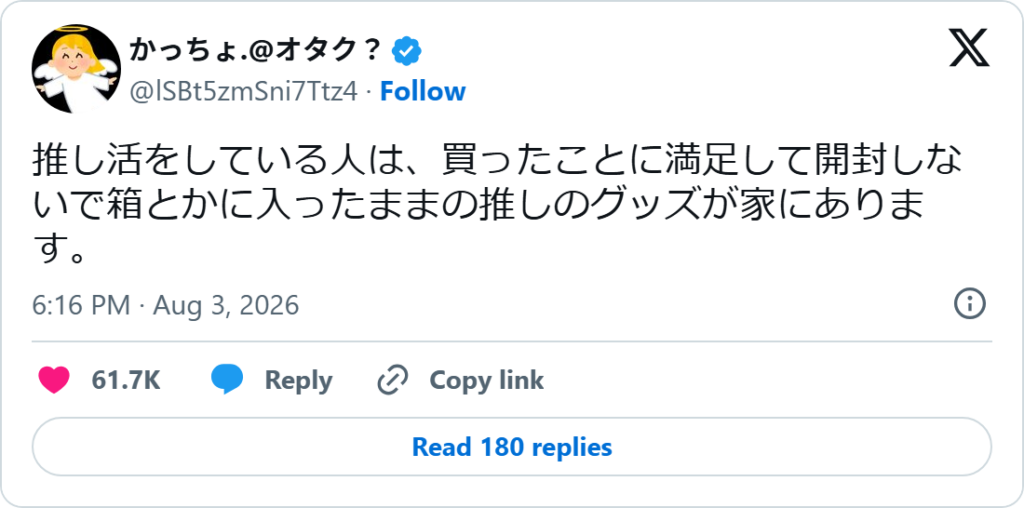
That’s especially hurting fans of musical artists, idols, and other performers: 51% of night bus trips are people traveling to an event or live show. Money spent on lodging is money fans don’t have left over for merchandise that they never open.
Japanese transportation companies are responding with offerings that combine lodging and transit. The best example is the sleeper bus service announced by Kōchi Ekimae Kankō, which sports seats that convert into bunk beds. Even Lawson has gotten into the game, renting out its parking lots for overnight camp-outs for those who travel by car.
An upright overnight service?
In this context, the explosion of sleeper services makes sense. However, what JR Central recently offered was an interesting twist on the concept.
On August 8th, JR Central ran the first (and so far only) Tokaido Lumiere Express (東海道ルミエールエクスプレス). The train departed Tokyo at 10pm, with stops at Shinagawa and Shin-Yokohama. It then parked at Gifu-Hashima for six hours before proceeding to Kyoto and Shin-Osaka the next morning, arriving at Shin-Osaka at 6:59am.
Legally, shinkansen trains can’t run between midnight and 6am, due to environmental noise regulations. JR Central took advantage of this to offer a “sleeper” service for ¥15,000 ($95) per passenger, with additional fees for Green Car seats and discounts for child fares.
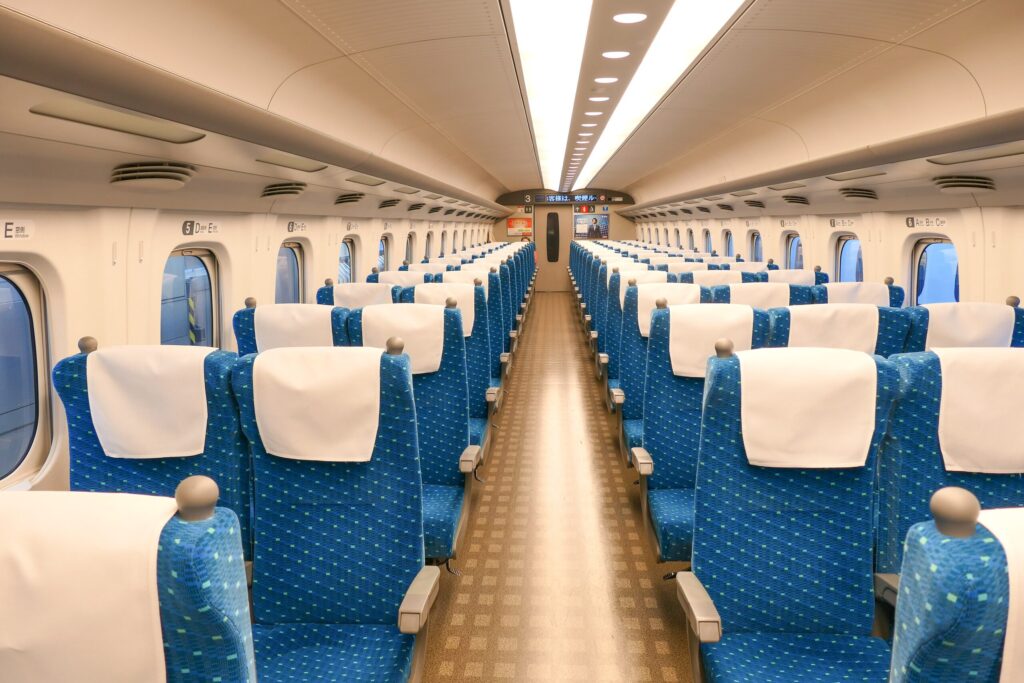
On the downside, the seats were ordinary bullet train seats, which meant that passengers had to sleep upright. On the upside, though, JR Central sold only window seats. This means that, on a five-seat shinkansen train with A-E seats (three on one side of the aisle, two on the other), passengers had a row with either two or three seats all to themselves.
Dedicated women-only cars sell out
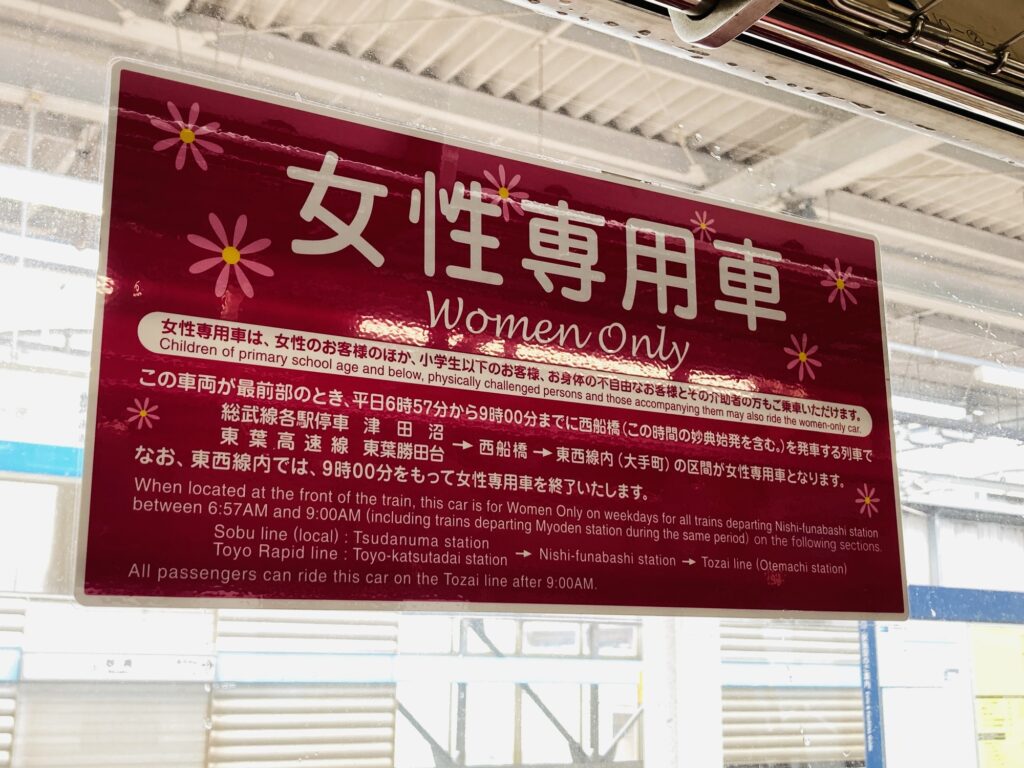
The 15 cars on sale held 528 window seats, 424 in ordinary cars and 104 in Green cars. JR Central put 502 of them on sale, and all 502 went. However, because it was an overnight service, the company took an additional safety step: it reserved six cars (10, 12, 13, 14, 15, and 16) just for women. That represents 40% of all available seats.
There’s precedent for this. Capsule hotels that take both men and women segregate them onto separate floors, since fire rules mean the capsules can’t have solid lockable doors. Women-only cars, often run during popular commute times to prevent groping, are also routine across roughly 90 Japanese lines and 30 operators. But it’s rare for a shinkansen, which, unlike regular trains in Japan, doesn’t typically offer women-only cars.
The service turned out to be a huge hit. Mynavi’s rail correspondent Sugiyama Jun’ichi said that the initial allocation of seats sold out in under ten minutes, and that JR Central opened up new seats after that to meet demand. Kyodo and Nikkei both say that the total allotment of seats sold out within two days. Of the 502 seats sold, 461 passengers actually boarded, a no-show rate of about 8%.
Is JR solving the right problem?
The real question, though, is: did people like sleeping on the shinkansen?
Sleeping conditions weren’t ideal. On top of sleeping upright, passengers had to sleep with the cabin lights on. They also had to listen to track and maintenance work at Gifu-Hashima. Passengers could get out to use the vending machine on the platform, but only for 30 minutes at arrival and before departure the next morning. There was otherwise no on-train service, even in the Green Car. However, passengers did have access to the on-train toilets all evening.
Despite this, the train sold out, and passengers say they appreciated the service. One woman from Kyoto said it enabled her to stay for fireworks at Tokyo Disney Resort without having to catch the last train. On Yahoo! News JP, commenters were generally positive about the service: almost 50% wanted to see it made into a regular offering. Many heralded it as a clever, low-cost use of existing infrastructure.
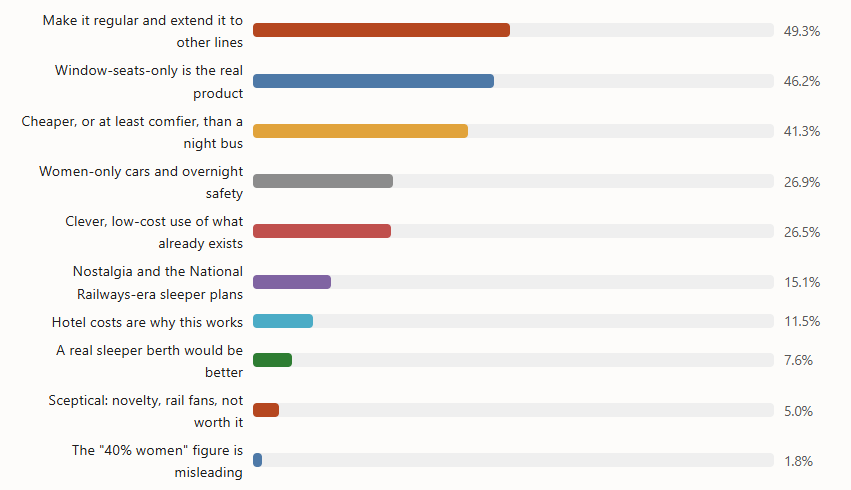
However, some users dismissed the train as a novelty. “If you look in Osaka, you can find a cheap hotel,” one wrote. “Most of the riders were probably rail enthusiasts on a commemorative trip, or people who can’t find a hotel themselves.”
Some shot back that a real sleeper berth would be a better experience. Indeed, this is why the bus industry is moving toward sleeper-capable vehicles: sleeping upright is passengers’ number one complaint about night bus service.
A few also griped about the pricing. Due to the uneven aisle split, while everyone paid the same price, some passengers got two seats to themselves, while others got three. The two-seat side, they argued, should’ve been sold at a discount.
There’s also a question of how often companies can run this service. JR Central chose August 8th specifically because it was a peak travel period, and also because there’s less track work than during normal periods.
The lovers outweighed the haters, though, logistics be damned. It’s easy to see why: at $95, the ticket cost about what a night in a business hotel used to cost. On top of that, JR Central threw in 500km of travel for free!
The company says it wants to seriously consider a second run. Here’s hoping it goes as well as the first.
Keep reading



Sources
JR東海の「夜行」新幹線で461人が一夜 2日で完売、第2弾検討 日本経済新聞
JR東海「夜行」新幹線が初運行 東京―新大阪、4割女性 Yahoo!ニュース/共同通信
東海道新幹線で「当日出発・翌朝到着」の特別列車『東海道ルミエールエクスプレス』を運行します! 東海旅客鉄道株式会社
東海道ルミエールエクスプレス JR東海ツアーズ
JR東海「東海道ルミエールエクスプレス」10分弱で完売、定着に期待 マイナビニュース
新幹線なのに「東京→新大阪8時間59分」!? 「夜発朝着」の新列車「東海道ルミエールエクスプレス」に乗ってみた 鉄道コム
【乗車記】実質夜行?話題沸騰の新幹線「東海道ルミエールエクスプレス」に乗車してみた 東京22時発、京都・新大阪に6時台着 見どころは岐阜羽島の素晴らし過ぎる朝 鉄道チャンネル
JR東海,東海道新幹線で当日出発・翌朝到着の特別列車「東海道ルミエールエクスプレス」を運行 鉄道ファン・railf.jp
JR東海、夜行新幹線「東海道ルミエールエクスプレス」を8月8日運行 TRAICY
東海道新幹線で初の夜行列車!「東海道ルミエールエクスプレス」8月8日運行 レイルラボ
宿泊料はどこまで上がったか — CPIで見る2026年の価格転嫁力 HotelBank
消費者物価指数(CPI)結果 総務省統計局