
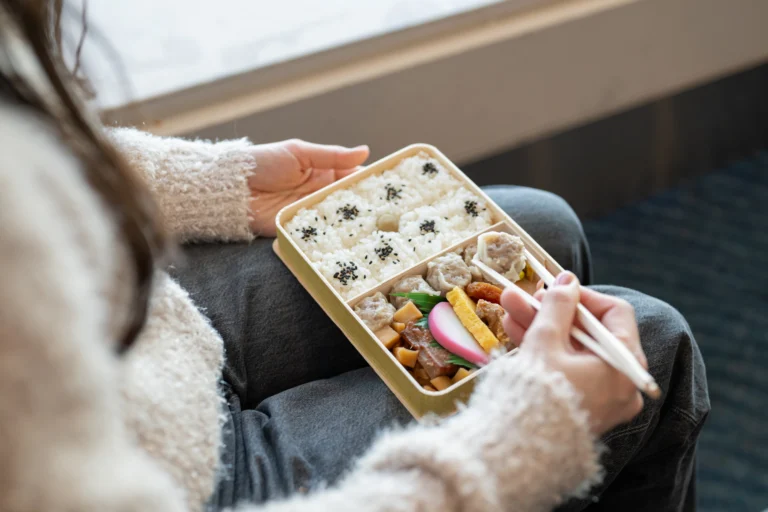
Bento boxes are hardly unknown in the English-speaking world today. Japanese food has become a global sensation, with sushi, ramen, and other dishes now considered mainstream in many countries.
Bento boxes have likewise found an international audience. A search for “bento” on YouTube or Pinterest reveals countless tutorials, meal-prep ideas, and photos showcasing carefully packed lunches. Interest in Japanese cuisine has grown to the point that many travelers now seek out cooking classes during their visits to Japan, hoping to learn how to recreate dishes at home, or even to put in their own bento.
Part of their appeal is that they align neatly with modern lifestyle trends. Bento boxes encourage portion control, reduce disposable packaging, and keep different foods separated through compartmentalized designs. For many health-conscious consumers, they represent an organized and visually appealing approach to meal preparation.
And yet, for one Japanese mother living in Canada, reality proved far more complicated. As someone who experienced similar issues growing up as a Japanese-American, I can feel her pain.
Classmates lob insults at “weird” lunch
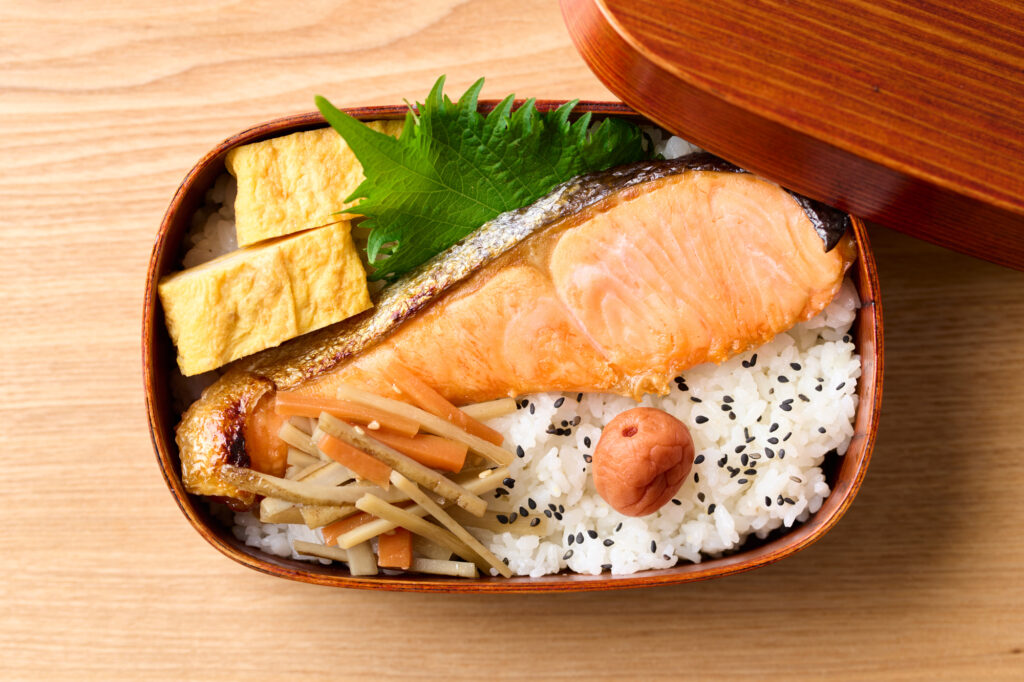
Posting on X, a mother (@SACANA_family) known as Ebiko shared that her eight-year-old daughter had begun bringing home her carefully prepared bento untouched. Classmates had called the lunch “weird” and “gross,” leaving the child reluctant to even open it at school.
The reaction came as a shock. After all, this was not the 1980s or even the 1990s. Japanese food had spent decades growing in popularity overseas. Sushi could be found in supermarkets. Ramen restaurants had become commonplace. Bento boxes themselves had become familiar enough to inspire countless meal-prep blogs, Pinterest boards, and YouTube channels.
Yet her daughter’s experience touched a nerve precisely because it challenged a common assumption: that popularity and familiarity are one and the same.
As the story spread across Japanese social media, reactions poured in. While many readers expressed sympathy for the poor girl, others expressed an entirely different reaction: confusion.
If Japanese food is so popular, why would anyone react this way?
Jealousy? Or something else?
One of the most common explanations was also one of the simplest: the children must have been jealous, of course. It’s an understandable conclusion to reach. When something we value or admire is criticized, jealousy seems like the most obvious reason why there would be any backlash at all.
Yet many overseas Japanese were unconvinced. This included not only members of the Japanese diaspora, but also Japanese families temporarily living abroad for work. Whether they had spent generations overseas or expected to return to Japan within a few years, many immediately recognized the situation being described.
Part of the confusion surrounding the story stems from the fact that Japanese food has become enormously popular overseas. For many people in Japan, it can be difficult to imagine a child reacting negatively to a homemade bento when sushi restaurants, ramen shops, and Japanese snacks can now be found throughout North America, Europe, and Australia.
Yet popularity and familiarity are not always the same thing.
Between Lunchables and California rolls
Growing up in Michigan during the 1990s and early 2000s, I witnessed this shift firsthand as a mixed Japanese American. Metro Detroit was hardly devoid of Japanese influence. The region’s automotive industry meant there was a sizeable Japanese community, including both diaspora families and employees temporarily stationed overseas by Japanese companies. Likewise, many American executives and engineers traveled regularly between Michigan and Japan for work.
Unsurprisingly, these were often the people most enthusiastic about Japanese food. Some of our family friends happily ate everything from sushi to fugu sashimi. They had spent enough time in Japan to develop familiarity with foods that many Americans had never encountered.
Outside those circles, however, Japanese food was still often viewed as something foreign. In order to fit in, I stuck to cafeteria food and Lunchables. It was not only less exhausting than dealing with endless questions. It was also safer. Nobody wants their lunch thrown in the trash by bullies.
Later, as sushi became more popular, I remember two American classmates in high school proudly declaring they’d eaten California rolls. It felt like a turning point; Japanese food was no longer something I had to hide. It was becoming accepted.
Or so I thought.
“Ew” over unagi
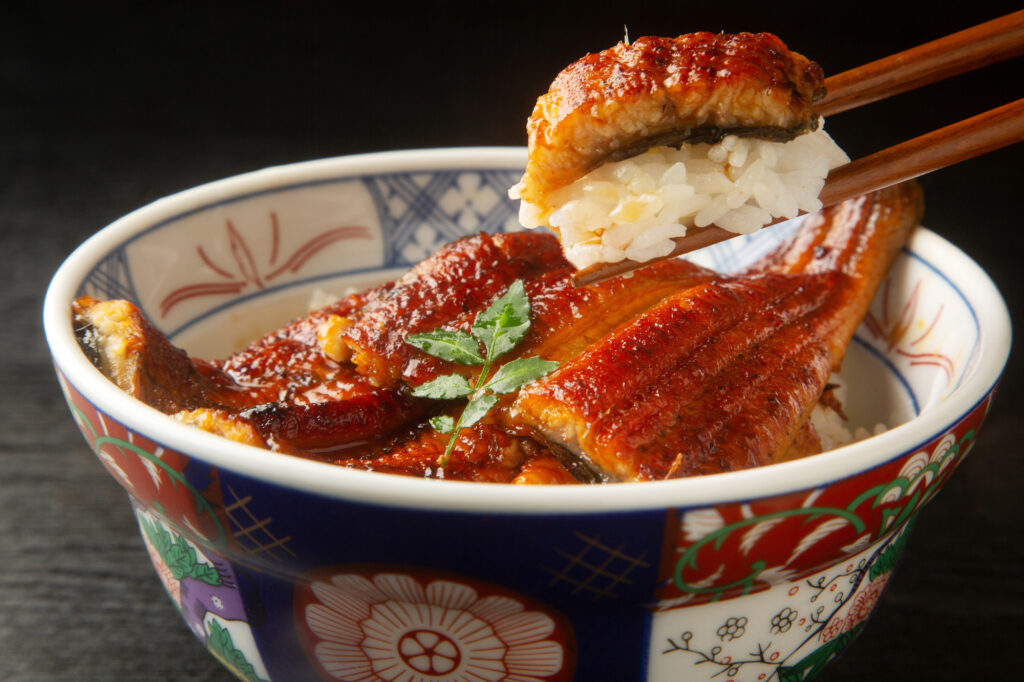
Fast forward a few months later, I arrived at a regional swim championship with a special treat: unagi nigiri for after one of my big races. Eel remains one of my favorite foods, and my family lovingly gave it for me to enjoy during the competition once I’d finished my biggest race. The reaction from my teammates, however, was sharp. Immediate.
“Is… is that eel?! Eww! Disgusting!”
Lesson learned. I never brought unagi again.
Two decades have passed since then, but the sentiment remains largely the same: the global success of Japanese cuisine has not made every Japanese food universally beloved. Rather, it has made only certain foods familiar. Even sushi, often held up as the ultimate success story of Japanese cuisine abroad, reveals notable differences in taste between Japanese and foreign consumers.
A California roll is one thing. Eel is another beast. The same person who would happily delight at a Philadelphia roll containing salmon and cream cheese would balk at a roll containing natto.
The same sentiment can be found with matcha. For every person bringing a matcha latte to their Pilates class, someone else claims it tastes like grass. Homemade Japanese bento clearly occupy a similar space. While the word “bento” may be embraced by many Western consumers, the contents of a truly Japanese lunchbox often remain anything but.
Familiarity, it turns out, is not the same thing as acceptance.
The fine line between belonging and difference
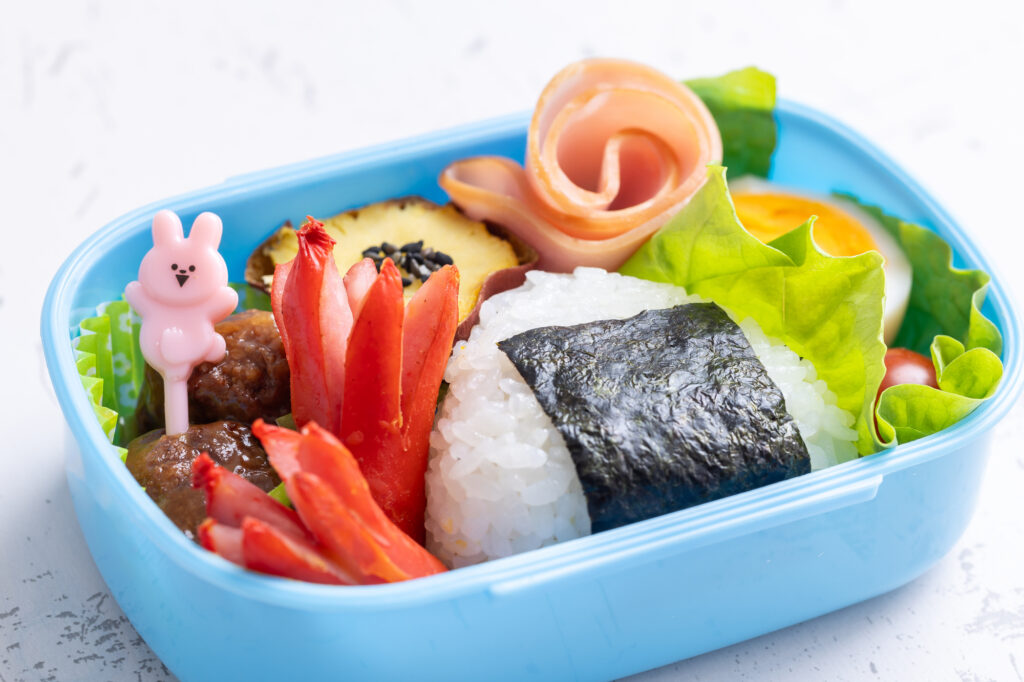
Perhaps the most encouraging detail in the original story is that the girl still loves her mother’s bento. That matters. Despite the teasing, despite the confusion, and despite the countless online debates that followed, the story was ultimately about a child learning how to navigate two worlds at once.
While Japanese who have never been overseas may have been baffled, it is an experience familiar to many Japanese who have grown up abroad. Whether they are members of the diaspora, mixed-race children, or the children of expatriate families, there are plenty of people with similar memories.
Japanese food is more visible internationally than ever before. Yet visibility and familiarity are not always the same thing. The comments surrounding the story revealed just how differently people understand that distinction depending on their own experiences.
For some readers, the story was about food. For others, it was about something much larger: what it feels like to carry a piece of home with you and wonder whether it will help you belong, or stand out.
Keep reading



Sources
「おいしそう」でも「うらやましい」でもない…子どもの「日本式お弁当」が海外でいじめの原因になるワケ PRESIDENT Online
カナダの小学校に子供を通わせているが、毎日手作りのお弁当を持たせていたらついに『日本式お弁当いじめ』が発生してしまった Togetter
欧米で”日本式のお弁当”が「気持ち悪い」「不気味」と言われてしまうワケ。息子が「ママ、もう二度と入れないで」と懇願 女子SPA!(Yahoo!ニュース 配信)
アメリカの学校で「もっと適当なお弁当を」と言われたワケは? 凝ったオカズに賛否両論 まいどなニュース
アメリカの給食とお弁当 日本との違いは?おにぎりでいじめられるの? HanaCell
アメリカと日本でこんなに違う子どもの「お弁当」。手づかみで食べられるものが重宝されるワケ ESSE online