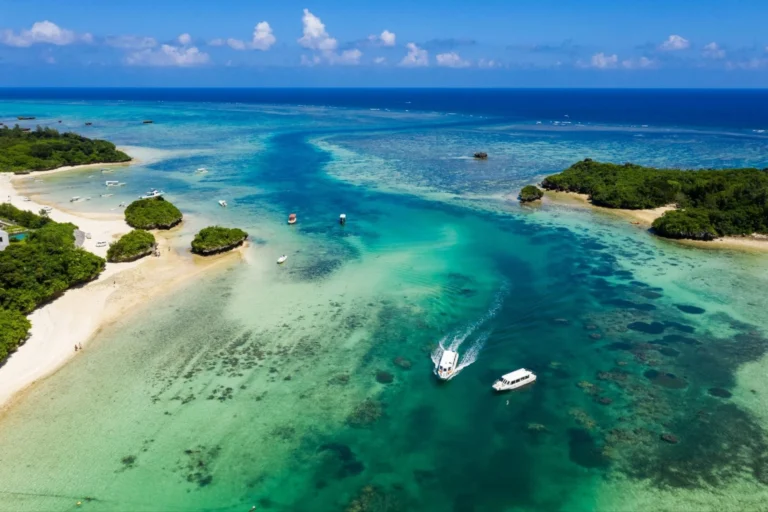
Beyond the neon glow of Tokyo and the manicured temples of Kyoto lies a version of Japan that feels entirely separate from the mainland. Somewhere north of Nago, the rhythm changes. The traffic thins, and the roads begin to curve around dense, emerald hills.
This Okinawa travel guide explores why Okinawa Prefecture has become Japan’s ultimate tropical paradise and a destination unlike anywhere else in the country. Part of an archipelago of more than 160 islands, Okinawa blends subtropical scenery, deep history, and some of the best beaches in Japan.
This is Okinawa, not merely a beach destination, but the surviving heart of the former Ryukyu Kingdom. For travelers planning a trip to Japan, a visit to Okinawa offers a completely different atmosphere from mainland Japan, with coral reefs, tropical beaches, and a unique culture shaped by centuries of maritime trade.
For the modern traveler, Okinawa represents the new definition of luxury: a place where privacy, space, and personalized immersion take precedence over traditional tourist spectacles. Whether you travel to Okinawa for diving, wellness, food, or cultural exploration, the islands reward slow discovery.
Note: This is a sponsored post.
A Separate Identity: The Ryukyu Legacy
The most common mistake visitors make is treating Okinawa as an extension of the Japanese mainland. It is not. For 450 years, Okinawa thrived as the independent Ryukyu Kingdom, a maritime powerhouse that absorbed influences from China, Korea, and Southeast Asia.
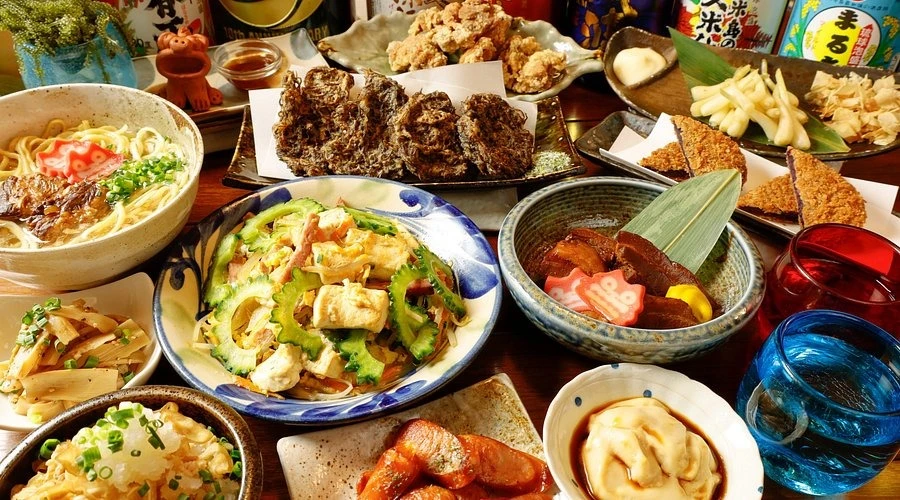
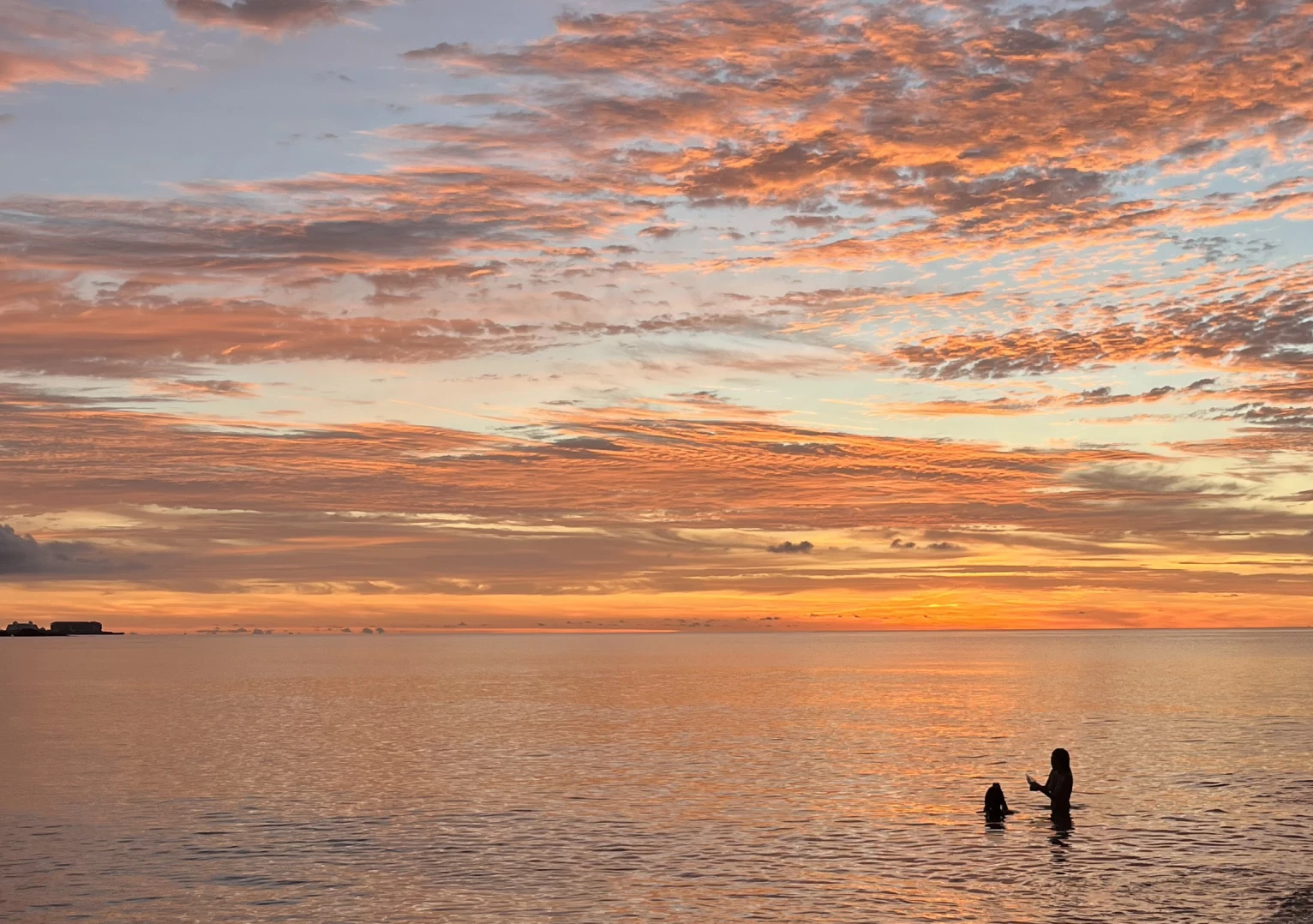
Today, this heritage manifests in a lifestyle that values emotional wellness and cultural depth. The architecture, low, red-tiled roofs guarded by stone shisa, is designed for the elements. The cuisine, rich in pork, bitter melon, and distilled awamori, is built for longevity. Here, the atmosphere is “looser,” blending ancient Ryukyu traditions with a nostalgic touch of postwar America. At sunset, the islands feel suspended between Japan, Hawaii, and Southeast Asia.
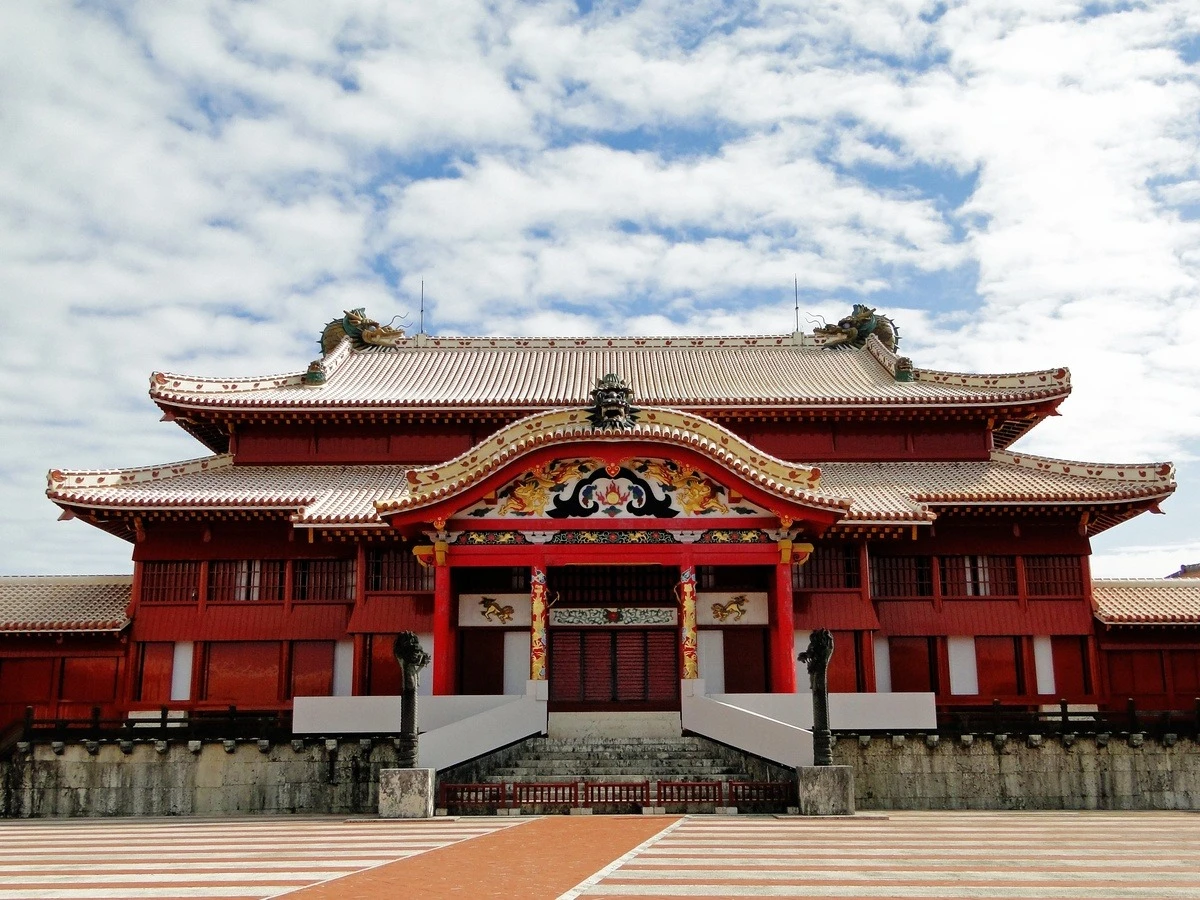
The cultural heritage of Okinawa remains visible across the islands, especially at UNESCO World Heritage sites connected to the former Ryukyu Kingdom. On Okinawa’s main island, landmarks like Shuri Castle stand as reminders of the islands’ royal past and enduring island culture. Even after reconstruction efforts, Shuri Castle remains one of the most important Okinawa attractions and a defining symbol of Okinawan culture.
Timing Your Escape: The Seasons of Okinawa
Luxury in travel is defined by the quality of the environment. Choosing the right window is essential for those seeking the perfect balance of warmth and seclusion. Understanding the best times to visit Okinawa can completely shape your Okinawa experience.
The Sweet Spot (March–May & October–November)
These shoulder seasons are the pinnacle of Okinawan travel. The humidity is lower, the clear waters are calm, and the crowds are thin. Spring and autumn are often considered the ideal time to visit for travelers seeking both comfort and natural beauty.
The Intense Blue (July–September)
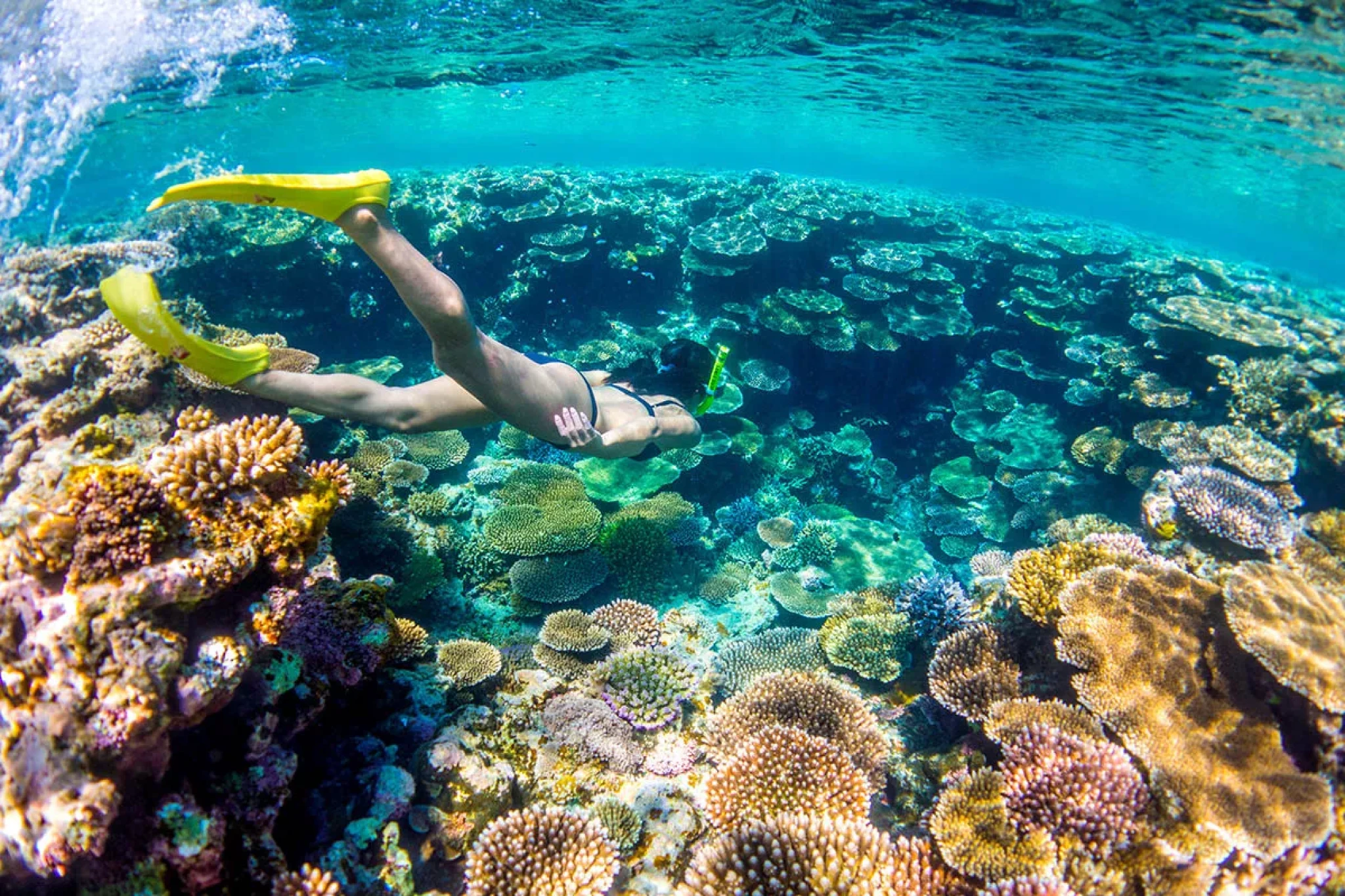
Summer is visually spectacular, offering the warmest diving conditions and vibrant coral reefs. This is the season when divers come to dive alongside manta rays near Ishigaki Island and the Yaeyama Islands.
The Winter Reprieve (January–February)
While too cool for swimming, winter in Okinawa offers a slower travel rhythm, including whale watching and Japan’s earliest cherry blossoms. The subtropical climate keeps temperatures mild even during the coldest months.
Deep Immersion: Two Essential Experiences
While independent wandering has its charms, certain layers of Okinawa remain invisible without a local bridge. During my time here, two specific experiences with Evertrail Tours redefined my understanding of authentic travel and became highlights among the many things to do in Okinawa.
The Northern Okinawa Full Day: Yanbaru Unveiled
Most people visit Okinawa’s main island to see Okinawa Churaumi Aquarium, do shopping and leave. But to spend a full day moving through the Yanbaru forest with a guide who knows the unspoken language of the jungle is a different matter entirely.
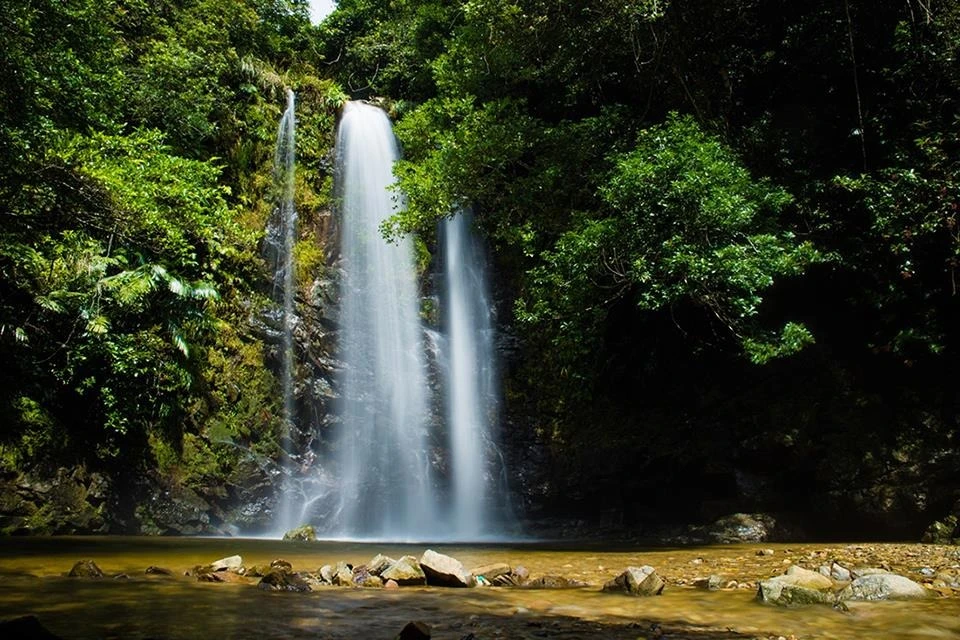
The day doesn’t feel like a tour; it feels like a sequence of quiet revelations. We bypassed the bus-filled parking lots for a hidden river trailhead. Trekking through the subtropical canopy, the only sound was the rhythmic hum of cicadas and the rush of falling water. We reached a secret waterfall where the air was ten degrees cooler, sitting on moss-covered rocks to eat a lunch of local onigiri.
In the afternoon, we opted for the Cycle & Scenic Drive, pedalling through a historic Ryukyu village where time felt genuinely suspended. Old stone walls lined the path, and our guide stopped to explain the significance of a hidden spiritual power spot tucked between the trees, the kind of place you’d cycle straight past without a word of context. The route opened up to dramatic coastal scenery before looping back, the sea sitting flat and blue below the ridge. It was the right pace for the afternoon, unhurried, and full of things you couldn’t have found alone.
The Izena Island Experience: A 2-Day Cultural Descent
If the north is about nature, Izena Island is about soul. This small, remote island is rarely visited by foreigners, and reaching it involves a ferry ride that feels like crossing a border into the past.
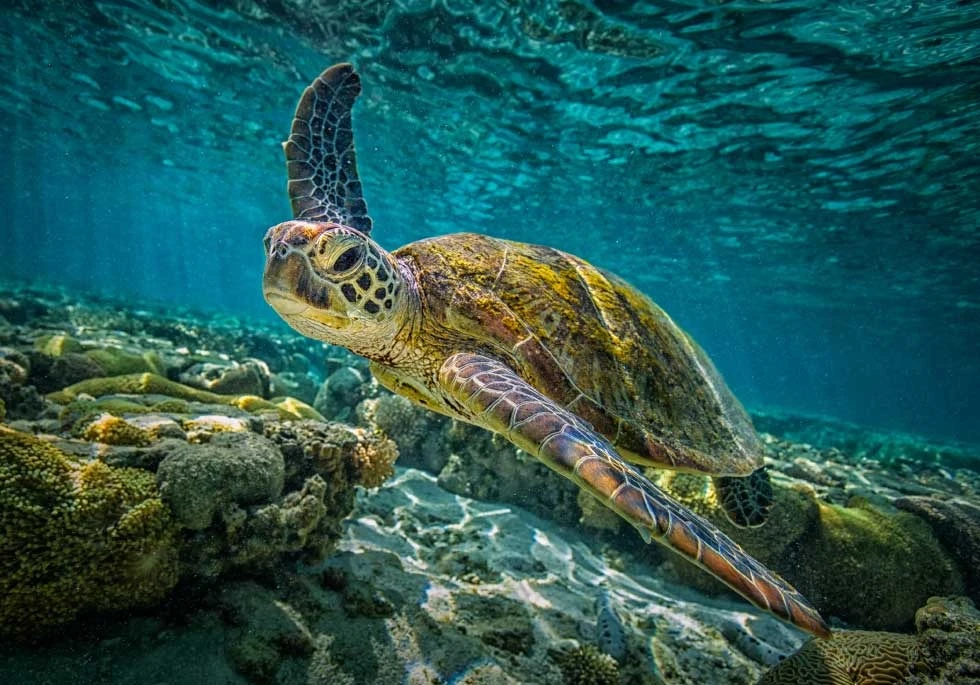
Our two-day stay on Izena was the turning point of the Okinawa trip. The first afternoon was spent on a private fishing charter with a local captain who spoke no English but communicated through the shared excitement of a catch. We ate sashimi sliced directly on the deck while sea turtles surfaced in the turquoise lagoon nearby.
That evening, we stayed in a traditional Okinawan house, wooden beams, tatami mats, and the scent of sea salt. We shared a multi-course Island Feast prepared by a local host, a spread of umi budo and island-grown produce that tasted of the earth. The meal highlighted the unique flavors of Okinawan cuisine, from slow-cooked pork to locally harvested bitter melon.
The second morning, we hiked to a hilltop for a 360-degree view of the East China Sea before visiting a local farm to press fresh sugarcane. It wasn’t luxury in the gold-leaf sense; it was the luxury of total, unhurried belonging.
Navigating the Archipelago: The Freedom of the Road
Inside Naha City, the monorail is efficient. However, the rest of the island is built for driving. Renting a car is non-negotiable for those seeking the privacy of hidden gems, tropical beaches, and the flexibility to stop at a roadside Okinawa soba shop on a whim.
Okinawa rewards the curious driver, those willing to take the unmarked road often find the most beautiful vistas. From Kouri Island in the north to the quieter coastal villages south of Naha, the Okinawa main island reveals itself slowly.
Travelers hoping to explore the outlying islands should also plan around ferry schedules. Regular ferry routes connect Okinawa’s main island with destinations like Tokashiki Island in the Kerama Islands, while flights and ferries extend farther south toward Miyako Island, Ishigaki, and the Yaeyama archipelago.
The islands of Okinawa stretch far beyond the largest island itself. Ishigaki Port acts as the transportation hub for the Yaeyama Islands, including Taketomi Island and Iriomote Island, where dense mangrove ecosystems and untouched reefs create some of the most remote scenery in Japan.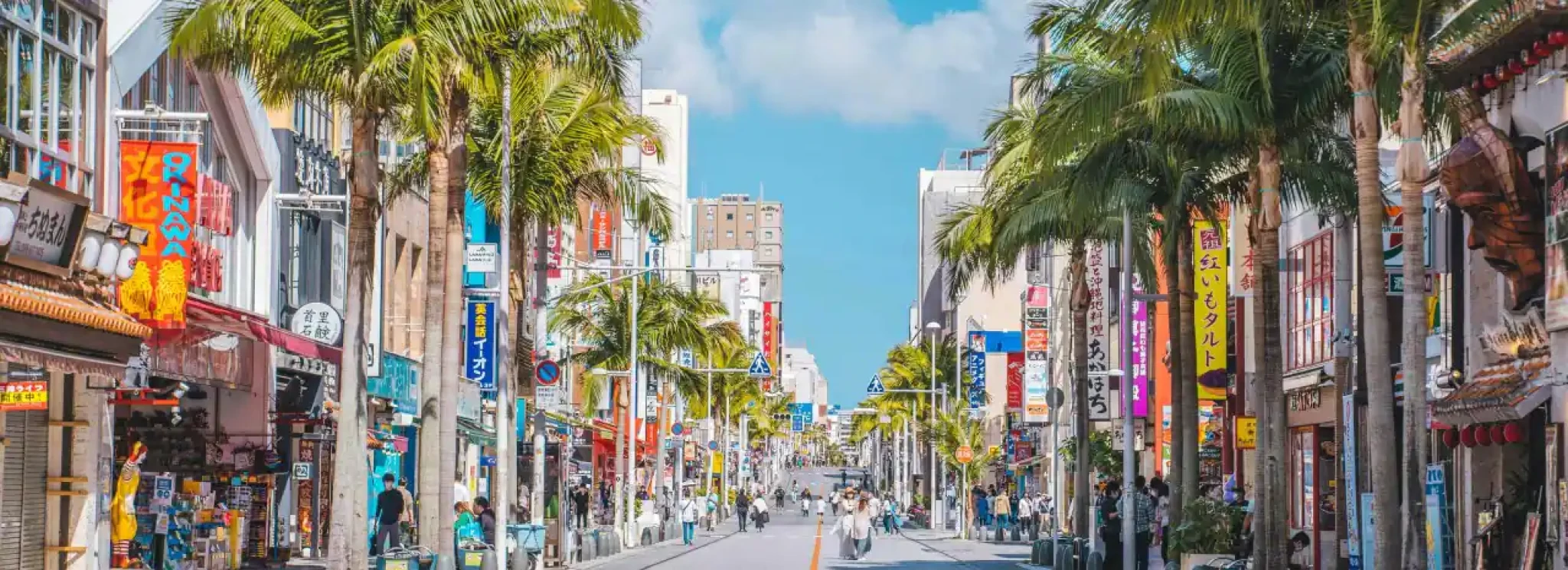
The Okinawan Gastronomy: A Legacy of Longevity
Okinawan cuisine is a pillar of the world’s Blue Zone cultures. It is a diet of necessity that has become a global standard for wellness and one of the strongest reasons to visit Okinawa.
Okinawa Soba
Thick wheat noodles in a rich pork broth, topped with tender pork belly. A bowl of Okinawa soba captures the comforting simplicity of traditional Okinawan cooking.
Goya Champuru
A bitter melon stir-fry that is an acquired taste, but the quintessential flavor of the island.
Taco Rice
Taco rice is perhaps the best example of Okinawa’s unique fusion of American and Japanese influences, combining Tex-Mex flavors with Japanese comfort food traditions.
Awamori
A potent distilled spirit, best enjoyed slowly as the humidity of the evening settles in.
Beyond restaurants, visitors can deepen their understanding of Okinawan culture at the Okinawa Prefectural Museum in Naha, where exhibits trace the islands’ maritime history, trade networks, and evolving identity.
Practical Considerations
International Driving Permit
Essential for car rentals and highly recommended for travelers hoping to explore attractions in Okinawa independently.
Itinerary Space
Do not overpack. Okinawa works best when there is room for the unexpected. The best Okinawa experience often comes from leaving time open for spontaneous discoveries.
Ocean Safety
The tropical sun, reef environments, and currents require respect. Seeking local expertise for water activities ensures a safer, more exclusive experience whether you are a first-time diver or an experienced diver exploring the Kerama reef systems.
Most visitors arrive through Naha Airport before continuing onward to beaches, remote villages, or smaller islands throughout the prefecture.
The Gradual Revelation
Okinawa does not demand your attention; it earns it. At first, you notice the impossible blues of the water. Then, the depth of flavor in the food. Finally, you notice the rhythm, a slower, more intentional way of existing.
People do not come to Okinawa simply to check off landmarks. They come searching for travel inspiration, for hidden gems, and for a guide to Japan’s tropical paradise that feels far removed from the pace of mainland cities.
Whether your trip to Okinawa focuses on Ishigaki Island, Miyako, Zamami Island, the Kerama Islands, or the quieter corners of Okinawa’s main island, the experience lingers long after you leave. From UNESCO World Heritage sites and ancient Ryukyu history to coral reefs and crystal-clear beaches, Okinawa offers attractions that feel deeply personal rather than performative.
For travelers planning a Japan trip or looking to travel to Japan beyond the usual routes, few destinations deliver the same balance of space, warmth, and cultural depth. Once you visit Okinawa, the memory tends to remain there for a very long time.