
Japan is taking a serious step toward formalizing something that’s already been quietly spreading: dual pricing at tourist sites. In other words, upcharging tourists while giving residents a discount.
On April 27, 2026, the Japan Tourism Agency held its first expert panel on this topic. The goal is to figure out national guidelines for dual pricing that keep things legal, respectful, and without stomping on anyone’s toes politically.
This isn’t a random decision. In the past couple of years, a growing number of destinations have been talking about dual pricing as a way to manage overtourism and fund maintenance of historical sites. The Tourism Agency hopes to make things both consistent and a bit more official.
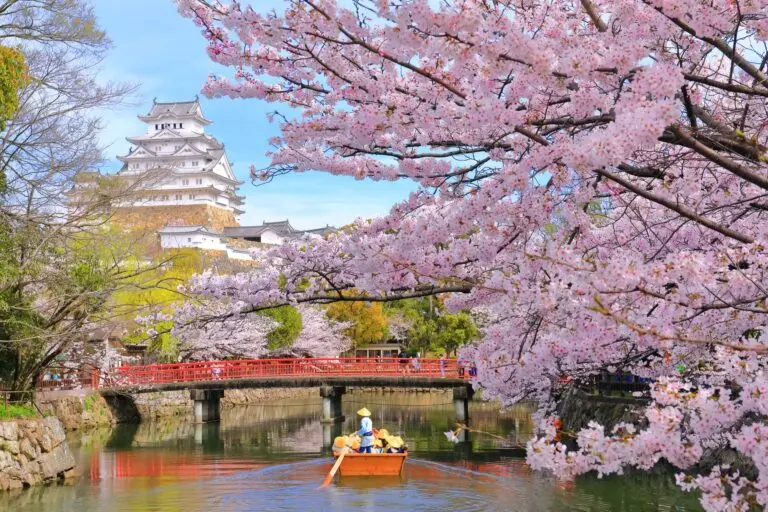
Himeji Castle as a test case for dual pricing and what it means
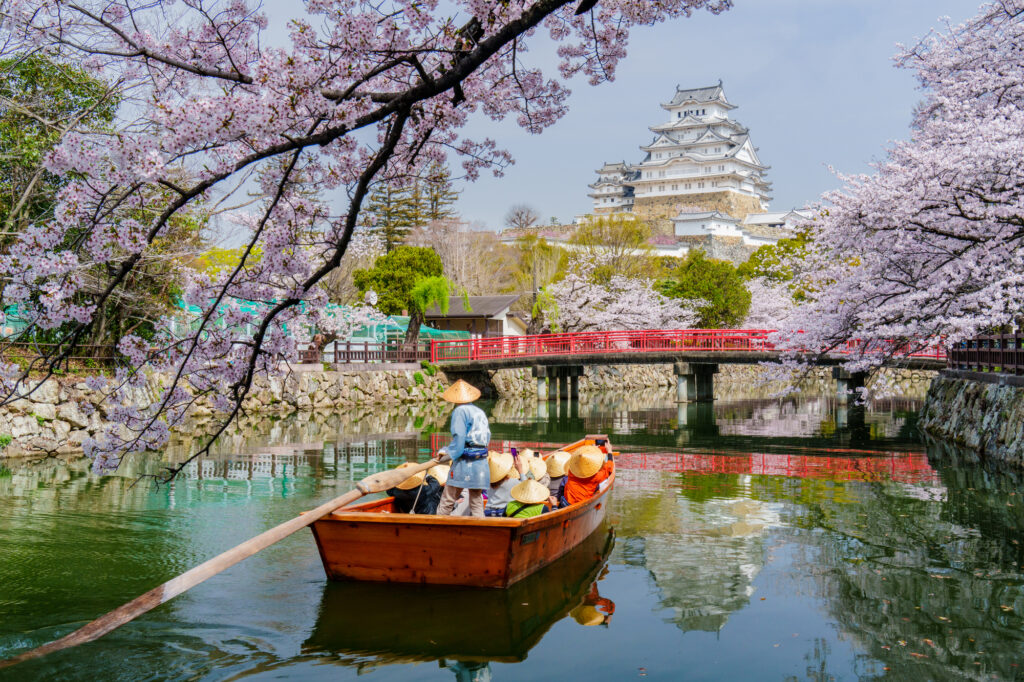
Luckily, it’s not all theory and what-ifs. The panel had a month-long test case to look at: Himeji Castle, one of Japan’s most popular historic castles.
Since March 1, 2026, Himeji has increased ticket prices for non-resident adults to ¥2,500 (16 USD), while city residents continue to pay ¥1,000 (6 USD). For anyone under 18, entry is free regardless of where they live. To enforce the system, visitors must show an ID such as a My Number card, driver’s license, or residence card.
The early results are striking. Visitor numbers dropped about 17% year-on-year in March, to roughly 140,000 people. But revenue practically doubled compared to the same month last year, with ticket income hitting around ¥270 million (1.7 million USD). In other words, Himeji Castle saw fewer people, but made far more money.
The city now projects ¥2.2 billion in ticket revenue for fiscal 2026, up about ¥1 billion (6.3 million USD) from the previous year. That extra funding will go towards preserving the castle’s stone walls and structure. After all, the castle is over 400 years old, so it needs a high level of maintenance.
In terms of combating overtourism without bankrupting a business, it’s hugely promising. However, drawing a line between who is considered a tourist and who is a local is making things fairly messy.
Legal and political issues with dual pricing
Himeji set up its pricing model based on residents vs. non-residents, not on Japanese people vs. foreigners, and it did that for a reason. The castle is owned and maintained by the city of Himeji. As such, people who live there already pay towards the castle’s upkeep through local taxes.
In that sense, giving residents a discounted price is just making sure they’re not being double-charged.
Not to say that everyone is happy about this split. Historian Kohara Toshi pointed out that since eight of Himeji Castle’s buildings are designated National Treasures, the castle is partially supported by national taxes. Thus, he argued that charging a Japanese person the same as a foreigner who doesn’t pay taxes is unfair, and this attitude of treating both the same can fuel resentment towards foreigners.
In his article, he didn’t mention how he believes foreign-born residents who are paying Japanese taxes should be charged. However, that distinction makes all the difference, because if it’s foreigners vs. Japanese, do you charge people based on nationality? Or how they look?
Japan doesn’t have a law banning tiered pricing, but the way it’s implemented can raise issues. Experts like consumer-law specialist Kanda Mansaku point out that residency-based pricing with a clear rationale is probably fine. Nationality-based pricing, on the other hand, is a firestorm waiting to happen.
The only place that has dared it so far is a theme park in Okinawa. However, this park has two things working in its favor: (1) it’s a private institution, not government-owned, and (2) technically, anyone can buy the cheaper ticket geared for Japanese people. You just have to use the Japanese version of the website rather than the English one.
Other examples out in the wild: Blue Pond and national museums
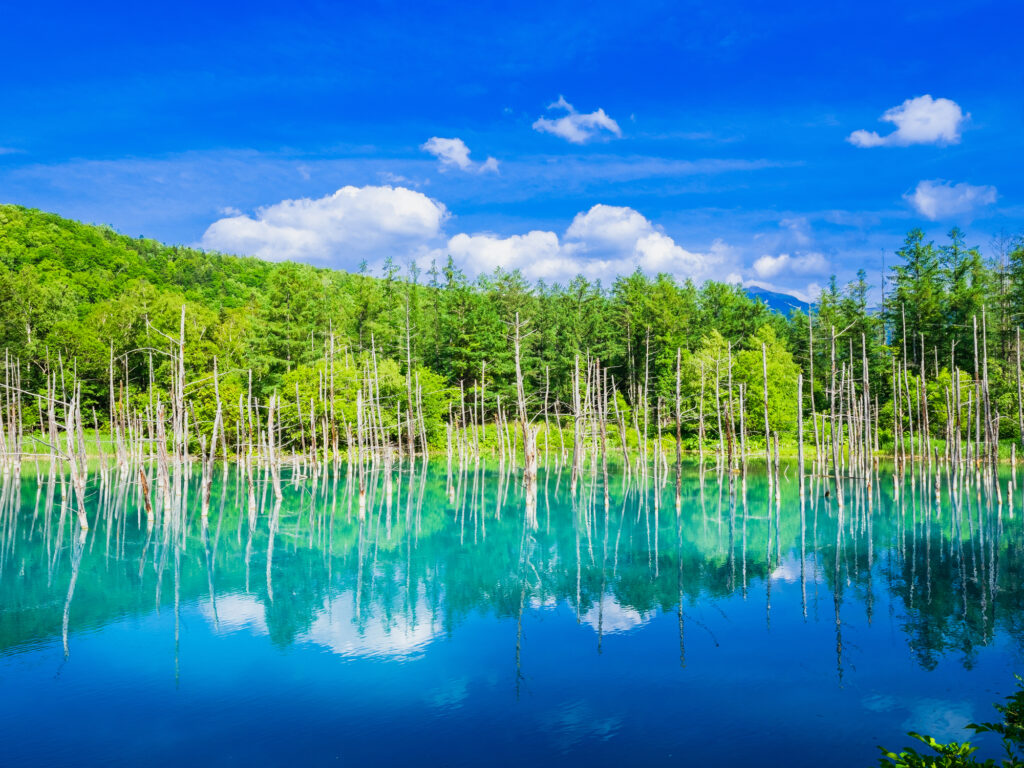
Himeji isn’t alone. The Tourism Agency also mentioned Biei in Hokkaido as another early example. There, visitors pay a ¥500 (3 USD) parking fee at the popular Blue Pond, while Biei residents are exempt. It’s a smaller-scale case, but it reflects the same logic as Himeji: locals are already contributing, so visitors shoulder more of the cost.
Museums are also hopping on the dual-pricing train. This is mainly thanks to a wee push from the Agency for Cultural Affairs, and an overall desire for these places to be more self-sufficient. Seven major institutions, including the Tokyo National Museum and the National Art Center, will likely start dual pricing by 2031.
These museums aim to cover 65% of costs through their own revenue within five years. Ideally, they should become fully self-sustaining within ten. If they fall below 40%, they may face a reckoning. (Or, you know, a restructuring.)
To get there, ticket prices for non-locals might go up by two to three times. At the Tokyo National Museum, for example, admission could climb from ¥1,000 to as much as ¥3,000 (19 USD) for non-residents.
Dual pricing guidelines to keep things straight
The Tourism Agency plans to publish formal guidelines within fiscal 2026. The expert panel will gather input from cities and operators who’ve already implemented pricing changes and figure out a framework that others can follow.
Hopefully, these guidelines can help businesses avoid discrimination around dual pricing while giving cities a new tool to fight overtourism and maintain important historical sites.
Keep reading

Sources
「二重価格」先行事例を分析 観光施設、有識者会議が初会合―観光庁 時事ドットコム
「二重価格」課題を整理 観光公害対策、有識者会議 秋田魁新報電子版(共同通信)
姫路城「二重価格」1カ月、収入2倍に 入城者数は17%減 日本経済新聞
3月1日以降の姫路城縦覧料等について 姫路市公式サイト
姫路城入城料、市民以外は2500円 26年3月から二重価格 日本経済新聞
国立西洋美術館など7施設で「二重価格」導入へ。インバウンド客の入館料引き上げ、自己収入拡大へ ARTnews JAPAN
なぜ姫路城は海外客向けの二重価格を導入しないのか…「訪日客ファースト」で日本人が差別されている現状 PRESIDENT Online
観光施設における二重価格制度導入の是非 大和総研