
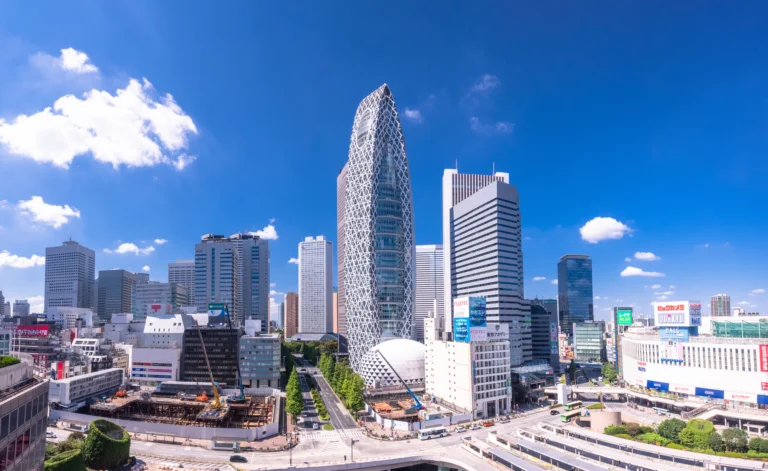
Shinjuku Ward in Tokyo, which has the largest number of Vacation Rentals By Owner (民泊; minpaku) nationwide, has reportedly decided to ban short-term rental operations in residential areas and school zones, with the prohibition also applying to existing facilities.
The ward estimates that more than half of its minpaku, or about 2,000 facilities, could lose the ability to operate.
9% of Japan’s minpaku are in Shinjuku
Shinjuku Ward has 3,775 notified minpaku dwellings as of July 2026, the highest of any municipality in Japan, according to the Japan Tourism Agency (観光庁; Kankōchō). The ward accounts for about 9% of the country’s roughly 42,000 active minpaku.
On September 7, the Yomiuri Shimbun reported that the ward has settled on a policy to prohibit minpaku operations, in principle, in city-planning zones designated exclusively for residential use (住居専用地域, jūkyo sen’yō chiiki) and in school districts (文教地区, bunkyō chiku).
Existing facilities would also be subject to the ban after a grace period. Operators who live on-site and meet certain operating requirements could be permitted to continue as an exception.
In commercial districts, where minpaku operations would remain legal, the annual operating limit would be reduced from the national 180-day cap to 120 days.
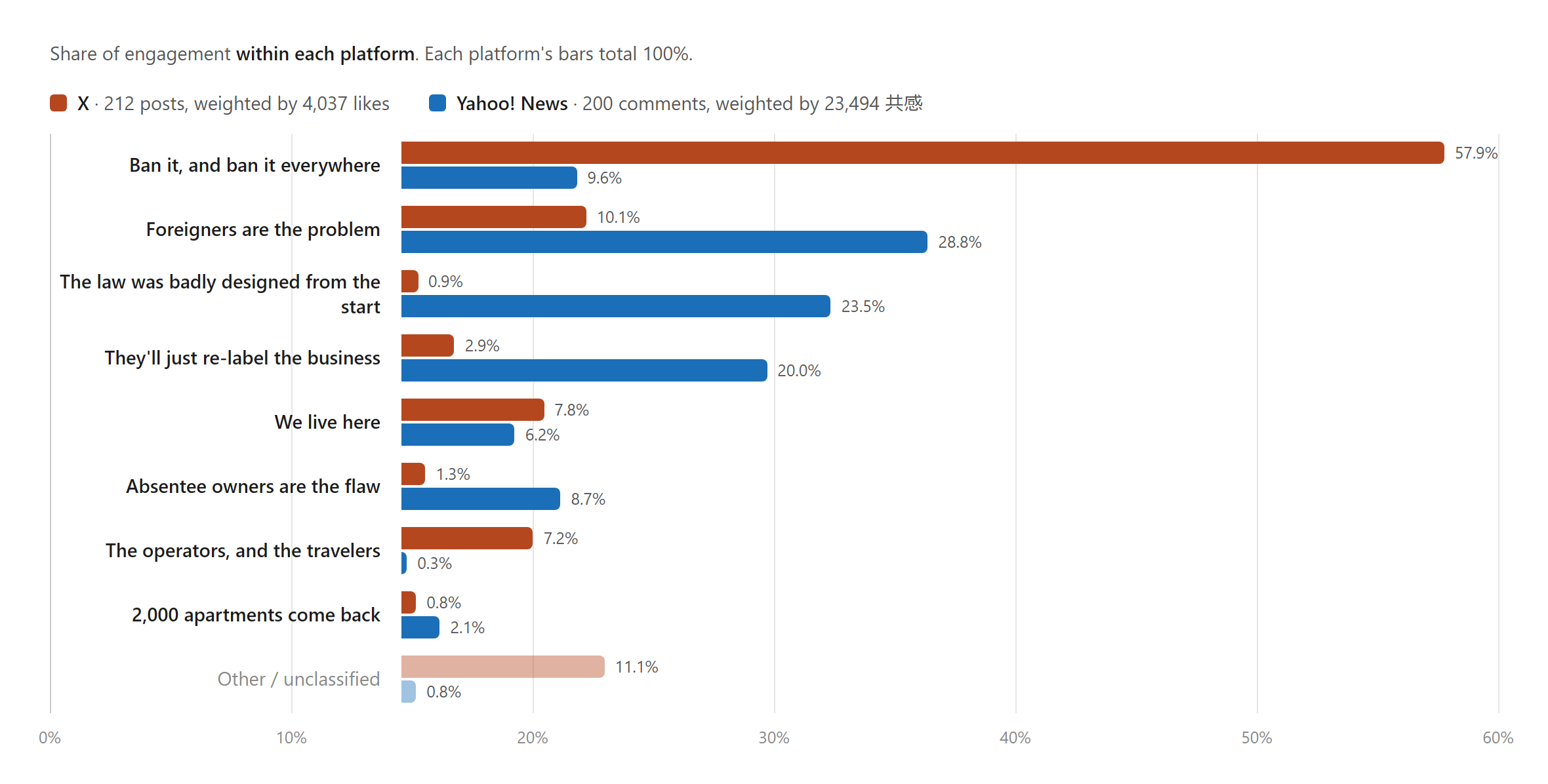
Online commenters in Japan are in favor of the move. In fact, many don’t think it goes far enough. On X, most users want to see minpaku banned outright. Yahoo! News commenters said the law has always been flawed and needs a rethink. On Yahoo, comments blaming foreigners drew 28.8% of engagement, though nearly all of that came from a single comment that topped the whole thread; on X the same framing drew 10.1%. (Minpaku are heavily used by Japanese domestic tourists and business people as well.)
Implications for tourists
The changes could also have implications for visitors. If roughly 2,000 Shinjuku minpaku are forced out of the market, some of that accommodation demand could shift to hotels and other licensed lodging, potentially putting further pressure on prices in a city already seeing rising accommodation costs. Tokyo is also changing its lodging tax from April 2027, replacing its flat-rate system with a 3% tax on room rates and extending the tax to minpaku.
The ward plans to hold a public comment period before submitting an ordinance amendment to the regular assembly session in February 2027. It’s targeting enforcement starting in summer 2027.
The proposed ban comes after a sharp increase in complaints about minpaku. The ward received 1,334 minpaku-related complaints and consultations in the last fiscal year, 542 more than the previous year. Complaints included violations of garbage-disposal rules, noise, and trespassing on private property.
Those disputes aren’t unique to Shinjuku. Residents in other Tokyo neighborhoods have put up signs protesting short-term rentals, citing late-night noise, litter and a lack of consultation over buildings being converted into minpaku.
Shinjuku ward has ordered 29 operators to suspend business and issued abolition orders to five, but complaints haven’t fallen. A ward official, quoted by the Yomiuri, said the ban is necessary at this point.
“We lack the manpower to handle malicious minpaku case by case. We need to regulate across the board.”
The ward’s complaint categories focus on the behavior of operators and guests. It doesn’t break the complaints down by the nationality of guests or operators.
For the April 1 to May 31, 2026 reporting period, the Japan Tourism Agency recorded 624,088 guest-nights at notified minpaku nationwide, across 626,765 guests. Of those guests, 391,174, or 62.4%, were foreign nationals, while 235,591, or 37.6%, were Japanese nationals.
In other words, close to four in 10 minpaku guests nationwide are Japanese nationals.
Japan’s constantly changing regulations can make it hard to know how to best plan your trip. Sign up for UJ’s five-day trip planner if you need advice on where to stay, how to get around, and what to pack before you leave.
The national government has opened the door to “zero-day” rules
The Shinjuku proposal comes as the national government has been clearing the legal path for municipalities to impose much stricter minpaku restrictions.
In July, the Japan Tourism Agency reversed guidance it had maintained since 2017 and told municipalities that they may set permitted operating days to zero, including for existing facilities.
In July, the Health Ministry, the Transport Ministry’s real estate bureau and the Japan Tourism Agency jointly issued a technical advisory to prefectures and special wards stating that municipalities may impose a “zero-day regulation”: an ordinance setting the number of permitted operating days at zero in a particular zone.
The advisory’s own summary sheet says that the December 2017 implementation guidelines had considered zero-day regulation “not appropriate.”
Japan spent nine years telling municipalities they couldn’t do this. Then, in a single document, it reversed course.
The technical advisory also opens the door to regulating existing operators. Where a large number of minpaku are already operating in a zone, the advisory says that quiet residential conditions may be demonstrably and severely damaged. Where there’s a strong demonstrated need for restrictions and no other appropriate response exists, restrictions on existing notified dwellings after a set grace period may also be considered.
The advisory also includes a succession clause: once new operations are prohibited in a zone, a change of operator would require a new filing, which could not be approved. That effectively means the property could no longer be sold or transferred as an operating minpaku business.
In the same section, the advisory warns municipalities to keep their minpaku rules consistent with restrictions on licenses for “simple lodging” (簡易宿所; kan’i shukusho) under the Hotel Business Act. Shinjuku’s reported proposal covers minpaku under the Private Lodging Business Act only. A kan’i shukusho license is not subject to the 180-day annual cap.
The 2019 building code change that made the pivot cheap
A revision to the Building Standards Act that took effect in 2019 raised the floor-area threshold at which a change of use to a “special building” (including restaurants, hotels, inns and welfare facilities) requires a building-confirmation application from 100 square meters to 200.
The ministry’s supporting research found that more than 90% of Japan’s detached houses are smaller than 200 square meters.
That means converting an ordinary house into a licensed lodging facility can avoid a building-confirmation filing altogether. Fire and building codes still apply; the procedural check doesn’t.
Shinjuku isn’t first, but its approach is unusual
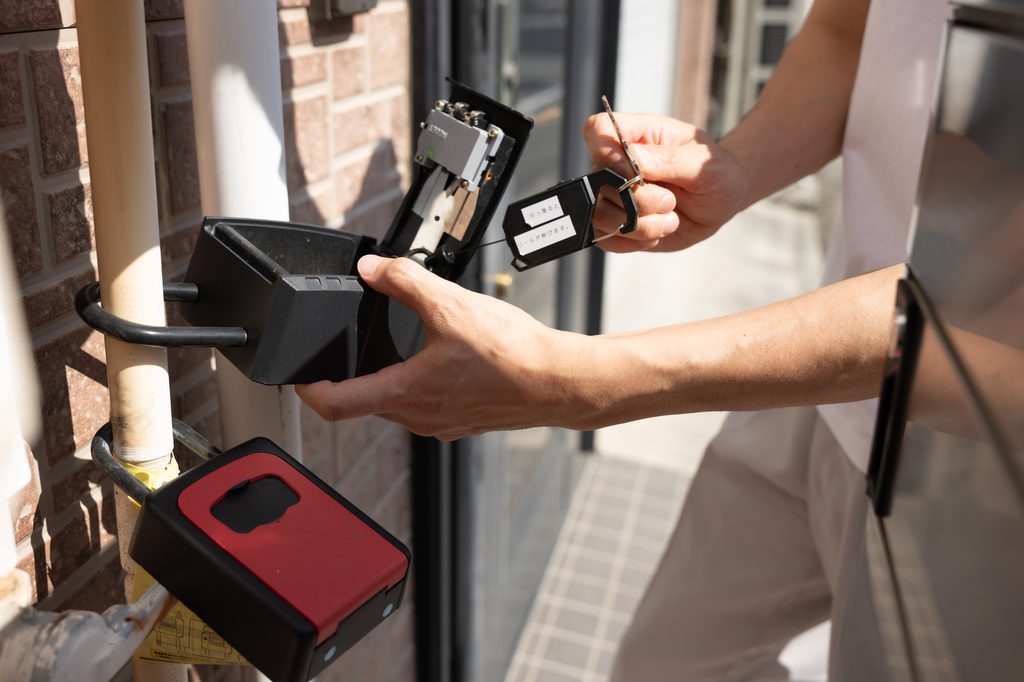
Shinjuku isn’t the first Tokyo ward to tighten its minpaku rules.
Toshima Ward amended its minpaku ordinance effective December 2025, adding pre-opening briefings for residents, a requirement for overseas owners to appoint a Japan-resident agent, and mandatory consultation with neighborhood associations.
A second tranche of restrictions takes effect in December 2026. Across the ward, minpaku will be permitted to operate only during spring, summer and winter school holidays, for a total of 120 days a year. The rule applies to existing facilities, while new openings will be banned in residential, semi-industrial and school districts covering about 70% of the ward. Violations can result in a penalty of up to ¥50,000 (5万円; about $320).
Shibuya’s revised rules took effect in July 2026.
What distinguishes Shinjuku is not simply that it’s regulating minpaku. It’s proposing a zonal ban that would apply to existing facilities, whereas Toshima has capped how long they can operate.
Setagaya is going in the opposite direction, in the same month and toward the same assembly session. The ward currently bars minpaku operations in residential-only zones from Monday noon to Saturday noon, leaving weekends and holidays available for operation.
Hieshima Susumu (稗島進), a Setagaya ward assembly member, reported in September that a draft amendment presented to the ward’s Welfare and Health Standing Committee would allow weekday operations in those same zones. The ward plans to bring the amendment to the February 2027 regular session, the same session in which Shinjuku plans to introduce its ban.
Two neighboring Tokyo wards. One assembly session. Opposite directions.
Setagaya’s own minpaku webpage carried no notice of the proposed amendment as of August 20, 2026.
Kyoto and Osaka are moving too
Kyoto is taking a different approach. In August, the Kyoto Shimbun reported that an expert panel was considering a draft that would effectively prohibit new minpaku in residential-only and industrial zones and require permanently stationed staff, including for simple lodging facilities.
The key difference is that Kyoto’s draft targets new facilities. Shinjuku’s proposal would also restrict existing minpaku, potentially forcing operators that are already legally operating to shut down. Shinjuku would therefore go further than Kyoto in regulating the city’s existing stock.
Osaka City stopped accepting new applications for tokku minpaku, a special type of minpaku permitted under the National Strategic Special Zones system, in May. The halt was decided at a special-zone council meeting in November 2025 after a rush of applications. Nikkei reported that filings in September 2025 were running at 1.9 times the earlier monthly pace.
The wards asked Tokyo for a national fix four months ago. They’re still waiting
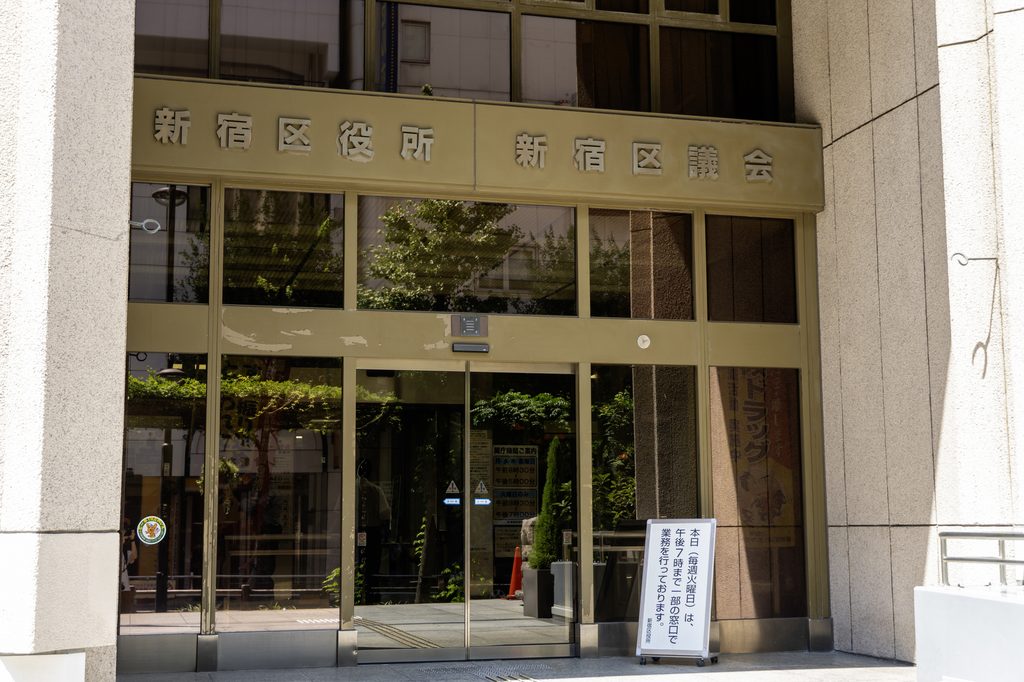
In May, ward mayors led by Yoshizumi Ken’ichi (吉住健一, Shinjuku), Yamamoto Tōru (山本亨, Sumida) and Saitō Takeshi (斉藤猛, Edogawa), with 21 of Tokyo’s 23 special wards signing on, submitted a petition to the Liberal Democratic Party (自由民主党, LDP, Japan’s governing party) calling for amendments to the minpaku law itself.
The petition noted that Tokyo’s special wards account for more than 40% of Japan’s notified minpaku dwellings. It cited problems including operators who cannot be reached and unregistered operations that continue despite existing rules.
What they got instead, seven weeks later, was an advisory telling them to write their own ordinances.
Yamashita Masaki (山下真輝), a fellow at JTB Tourism Research & Consulting, told the Yomiuri that the proposed ban is unusual.
“A regulation that uniformly bans even existing facilities is extremely unusual. The ward will have to explain the necessity carefully to operators, showing its records of complaints and guidance. Bad operators may relocate to other municipalities or switch to a hotel-business license, and the national government should be considering how to manage the lodging business as a whole.”
Both of those predicted escape routes are already live: Setagaya is relaxing its restrictions, while the kan’i shukusho door remains open.
Keep reading

Sources
民泊が全国最多の新宿区、住宅地や学校周辺の営業禁止へ…既存施設も・半数以上営業できなくなる可能性 読売新聞オンライン(Yahoo!ニュース)
東京都新宿区、住宅地や学校周辺で民泊営業を禁止へ 既存施設も対象 日本経済新聞
地方公共団体に対して民泊に関する通知を行いました ~「住宅宿泊事業法に規定する届出住宅に係るゼロ日規制等について(技術的助言)」の発出について~ 観光庁
住宅宿泊事業法の施行状況 観光庁 民泊制度ポータルサイト「minpaku」
住宅宿泊事業と新宿区のルールについて 新宿区
特別区長会の有志の区長が連名で、自由民主党に「住宅宿泊事業の適正化に関する要望書」を提出 新宿区
住宅宿泊事業法の条例を改正しました 豊島区
住宅宿泊事業(民泊)について 世田谷区
世田谷区、住居専用地域でも民泊推進へ アゴラ 言論プラットフォーム
【速報】京都市で民泊施設の新規営業「事実上禁止」に 住居専用地域と工業地域で、規制強化の素案まとまる 京都新聞
大阪市の特区民泊、26年5月末の新規停止決定 駆け込み申請9月1.9倍 日本経済新聞
「民泊」などの宿泊施設について 大阪市
建築基準法改正により小規模な建築物の用途変更の手続きが不要となりました! 国土交通省 住宅局建築指導課