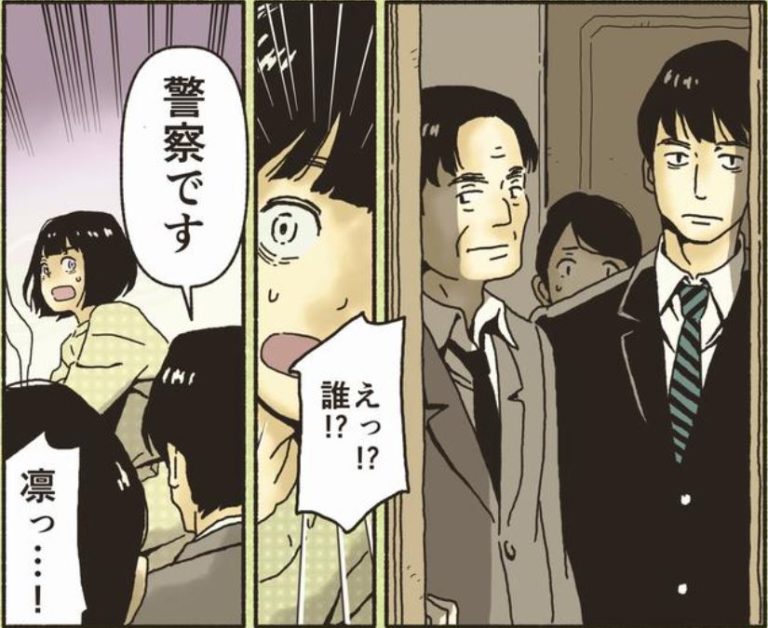

Municipalities around Japan are wrestling with how to address an epidemic of so-called “customer harassment” (カスハラ, kasu-hara for short), i.e., customers who verbally or physically abuse staff. Now, in a first, one city is passing a law that’ll publicly shame anyone who engages in the act and refuses to change their ways.
Kuwana in Mie Prefecture passed the new ordinance at a city assembly meeting on December 25th. If customers engage in verbal abuse or disruptive behavior towards a store or government organization’s employees, the organization can consult with the city, which can then launch an investigation.
If the city finds that harassment occurred, it can issue a warning. If the person’s behavior doesn’t improve after a month, the city can elect to publicize the person’s name on the front page of its website.
The law is partially a reaction to an incident in Mie Prefecture’s Yokkaichi City on December 13th. In that case, a 77-year-old man upset over a delinquent water bill physically attacked a city employee. (Police arrested the man.)
Customer harassment has been a chronic problem in Japan for the past half-decade or longer. Surveys have found that one in two of all service industry personnel have experienced some form of harassment. Most harassers are age 50 or over, which means the problem is likely getting worse as Japan’s population ages.
It’s only recently that companies and municipalities have started cracking down on the bad behavior. Japan Railways East announced an aggressive anti-harassment policy earlier this year. Many stores and local governments are allowing employees to change their name tags to help hide their identities and protect them from online harassment and real-life stalking.
Some legislators opposed the ordinance due to privacy concerns over naming individuals. However, the bill ultimately passed with majority support. It’ll go into effect in April 2025.