
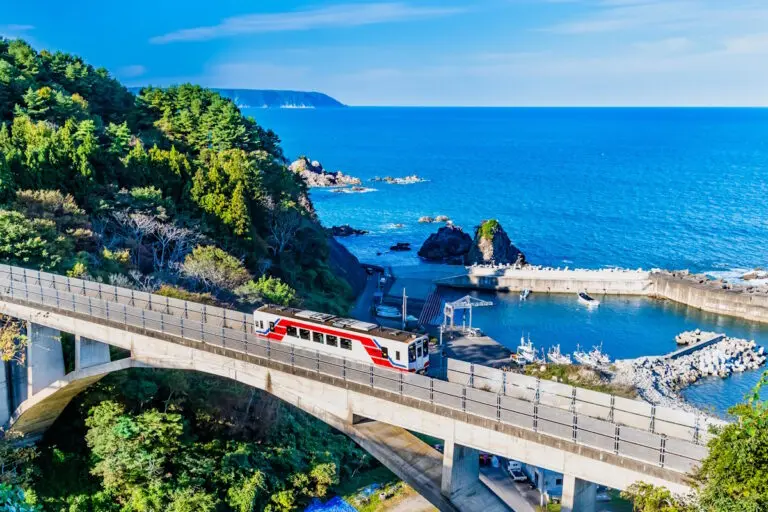
If you’ve never heard of Japan’s sightseeing trains, AKA kankō ressha (観光列車), the idea behind them is pretty simple. Rather than focus on commuting or straightforward travel, these are all about making the journey itself enjoyable.
These sightseeing trains might have started as an experiment, but they have since become wildly popular. Today, around 120 distinct tourist train services run across JR and private railway lines. These range from breezy open-air cars to ultra-luxury suites that rival five-star hotels.
How sightseeing trains began
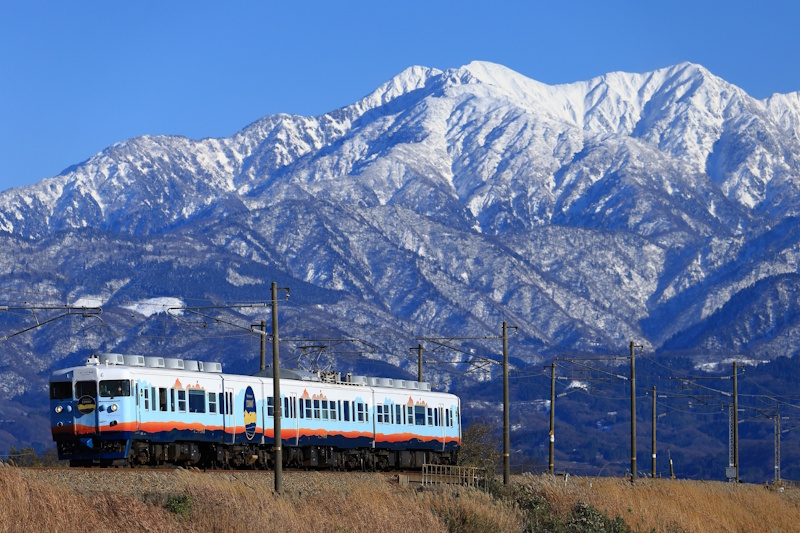
What really got these trains going is a practical challenge. Japan’s regional railways, especially in rural areas, have been struggling with declining ridership as populations decline or move to cities. Instead of cutting services, though, many operators have leaned into experience-based travel: giving people a reason to ride for pleasure.
Historically, the roots of this movement go back to 1990, when JR East introduced the Nostalgic View Train on the Gono Line between Akita and Aomori. This is when it first used the term “kankō ressha.”
Sightseeing trains only grew more popular in the 2010s, when railway companies started tossing in local food, crafts, and performances. Getting to sample the local culture and indulge in so many new experiences at once made the train itself feel like a destination.
One of the best examples of this approach is the Resort Shirakami (リゾートしらかみ), which runs along the Gono Line between Akita and Aomori. Covering 147 kilometers (91 miles), the route hugs the Sea of Japan and passes by the Shirakami Mountains, a UNESCO World Heritage Site.
The train doesn’t just offer seaside and mountain views. Live performances bring local musical traditions to life, and a scheduled 15-minute stop at the coast lets passengers soak in the scenery. You’d think with such a premium setup, it’d be massively expensive. However, it’s only around ¥5,350 ($34) with a seat reservation.
Appeals to nostalgia and simplicity: open-air cars and steam engines
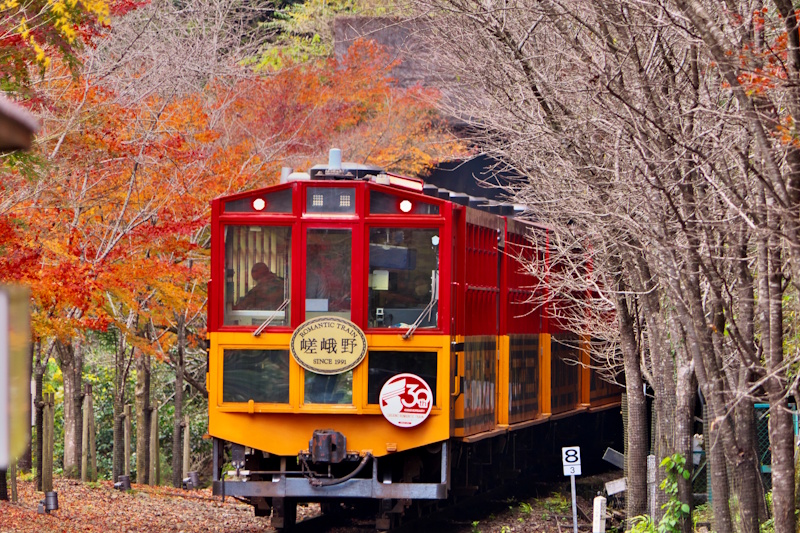
At the other end of the spectrum, some trains lean into simplicity. Kyoto’s Sagano Romantic Train (嵯峨野トロッコ列車) has been operating since 1991 and was one of Japan’s first purpose-built sightseeing trains.
While it’s a short, 25-minute ride through the Hozugawa Gorge, its open-air cars give passengers a view like no other. During the cherry blossom and autumn foliage seasons, especially, it’s packed.
Love old-school steam engines? The SL Banetsu Monogatari (SLばんえつ物語) runs mainly on weekends between Niigata and Aizu-Wakamatsu, combining retro locomotion with scenic countryside views.
It’s also relatively affordable, with a base fare of ¥1,980 plus a ¥840 reserved seat fee (17.75 USD total). Booking opens a month in advance through JR East’s Eki-Net system, and it’s popular enough that planning ahead is essential.
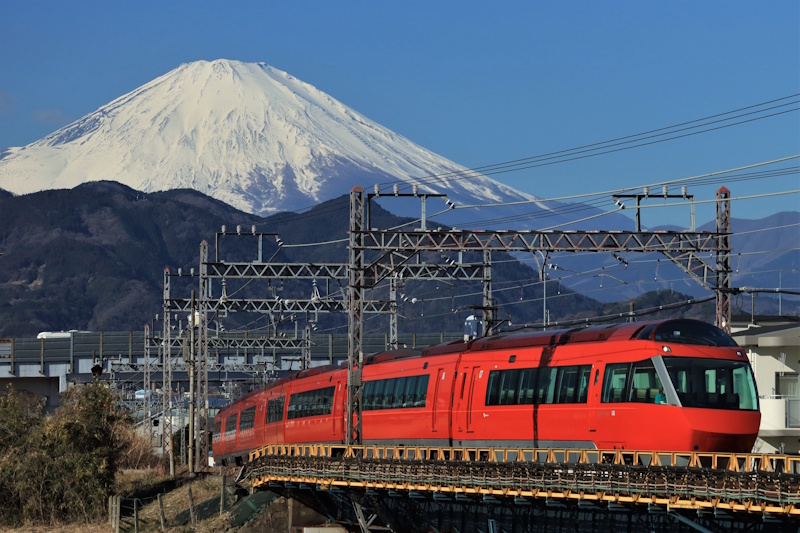
Most visitors to Japan already know about the most famous of the romance cars: the Odakyu Limited Express Romancecar. This train takes visitors from Shinjuku in Tokyo to Hakone, one of Japan’s top onsen (hot springs) spots.
Going all-out with themes and luxury experiences
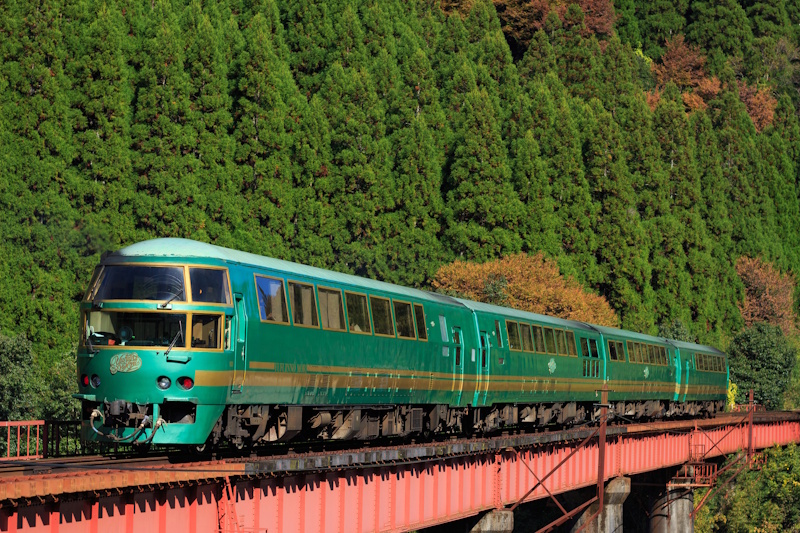
JR Kyushu’s D&S (Design & Story) trains form the most extensive sightseeing fleet in Japan, each with a distinct theme. Three of the most notable trains in this lineup are Yufuin no Mori (ゆふいんの森), Kanpachi Ichiroku (かんぱち・いちろく), and 36+3.
Yufuin no Mori connects Hakata and the hot spring town of Yufuin, with interior wood paneling that gives it an upscale, hotel-like feel. Kanpachi, meanwhile, travels through Kyushu’s highlands and comes with gorgeous mountain views. It also has “hospitality stations” where you can off-board and interact with the local community.
36+3’s name comes from Kyushu being the 36th-biggest island in the world, plus three important ingredients: surprise, impression, and happiness. The name also serves as a quick summary of what to expect, as it offers an ambitious multi-day journey across all of Kyushu’s seven prefectures.
Then there’s the luxury tier, where trains become rolling resorts. Seven Stars in Kyushu (ななつ星 in 九州) is arguably the most famous, with prices starting at ¥700,000 (4,400 USD) per person for a one-night suite and reaching ¥2,850,000 (17,925 USD) per person for three nights. Demand is so high that there might be 10-20 applicants per available spot, and operators have to handle bookings by lottery.
Over in eastern Japan, Train Suite Shiki-shima (TRAIN SUITE 四季島) offers a luxury experience as well, with routes extending into Tohoku and southern Hokkaido. There, it’s all about curated, high-quality excursions and fine dining.
The sightseeing train trend shows no sign of slowing, either. JR Hokkaido plans to launch two new ones later this year: Akai Hoshi (赤い星) and Aoi Hoshi (青い星), names that mean “red star” and “blue star,” respectively. The former will run through the Kushiro Wetlands, while the latter will switch lines depending on the season.
Three reasons to book a sightseeing train
For travelers, one of the biggest appeals of these trains is the price. Sure, luxury options might make your jaw drop, but the vast majority of sightseeing trains can work with even modest budgets.
The Seishun 18 Kippu, for example, allows unlimited travel on local and rapid JR lines, and can be used along routes like the Gono Line. In the case of Resort Shirakami, travelers only need to pay the small reserved seat surcharge to enjoy one of Japan’s most scenic rides.
Another important reason is that by its very nature, you don’t have to worry about overcrowding. Space is limited to the number of seats, and most glide through lesser-traveled countryside.
Recent infrastructure developments only reinforce the shift away from the most-trodden routes. The Hokuriku Shinkansen’s 2024 extension to Tsuruga, for example, has opened up new ways to reach the Sea of Japan coast without being bound by the same old Tokyo-Kyoto-Osaka shindig.
Finally, the third reason that’s often overlooked: you, as a traveler, don’t have to suffer. Most people resign themselves to the discomfort of public transport, but the whole point of a vacation is to have a good time. Travel should be enjoyable, and sightseeing trains are the best way to make that happen while also exploring lesser-known travel spots.
Want to build your next Japan trip around scenic rail journeys like these? Sequencing routes outside the standard Shinkansen lines takes some homework. Unseen Japan Tours can design a custom itinerary around the trains and regions you actually want to ride, and act as your Japanese-fluent expert guides on the ground. Chat with us today→
Keep reading

Sources
【2025年】日本全国のJR観光列車一覧!豪華寝台列車もまとめて紹介 トレたび
「鉄道ファンが本気で選んだ」一度は乗りたい!全国“観光列車”ランキング13選 MonoMaster
2026年【JR・私鉄・三セク】全国の観光列車一覧《約120種類》 観光列車なび
五能線の旅〜日本海の絶景とグルメでパワーチャージ!〜 Amazing AOMORI
リゾートしらかみ 2025 JRびゅうツーリズム&セールズ
SLばんえつ物語の乗り方は?車両の特徴や予約方法、楽しみ方についてご紹介 トレたび
2026年版【ななつ星 in 九州】最低料金・最高料金は? 観光列車なび
JR北海道の新観光列車、釧路湿原など運行へ 26年度から 日本経済新聞