
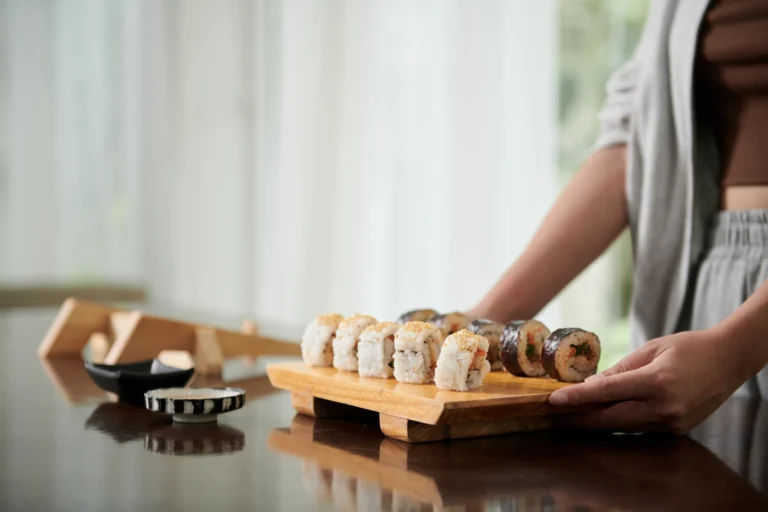
Tomonaga Mio was just 15 when she became part of the center of HKT48, the Fukuoka-based sister branch of idol musical group AKB48. At 16, she was performing on NHK’s prestigious year-end Kōhaku Uta Gassen. Now, at 28, she’s taking on a rather different challenge: making sushi for paying customers in Tokyo.
Girls just wanna make sushi
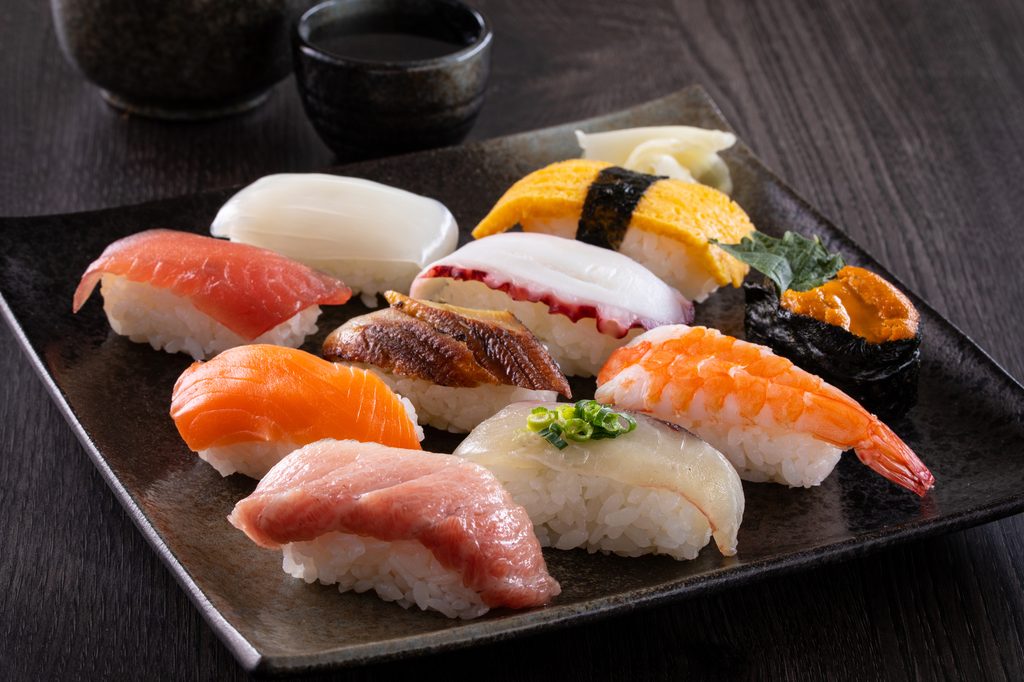
Her restaurant, Sushi Mio, operates out of a borrowed counter in Ebisu, where she serves omakase sushi (おまかせ寿司) once a week. Omakase, meaning “I’ll leave it up to you,” is a dining style in which the chef chooses and serves the dishes. Sushi Mio got so popular that reservations are already booked through December 2026.
But her unusual career move has attracted more than curious diners. When she announced her plans to become a sushi chef, she encountered two common criticisms: “Women shouldn’t make sushi” and “Don’t mock sushi chefs.”
The two objections touch on different issues. One challenges whether women belong behind a sushi counter. The other questions whether someone without years of professional experience should be allowed to call themselves a sushi chef.
From HKT48 center to sushi school
Tomonaga joined HKT48 as a second-generation member in 2012. The following year, while still a trainee, she became a double center for the group’s single “Melon Juice.” She stayed with the group until 2020, when a knee injury made it hard to work as an idol. She’s far from the only idol to quit her group, but in her case, it seems they ended on good terms.
She was introduced to sushi through an unexpected birthday present. In summer 2025, her husband, entrepreneur Yamauchi Kanato, gave her sushi school lessons for her birthday. He loves sushi and apparently wanted to be able to enjoy it at home. Tomonaga initially thought he was joking.
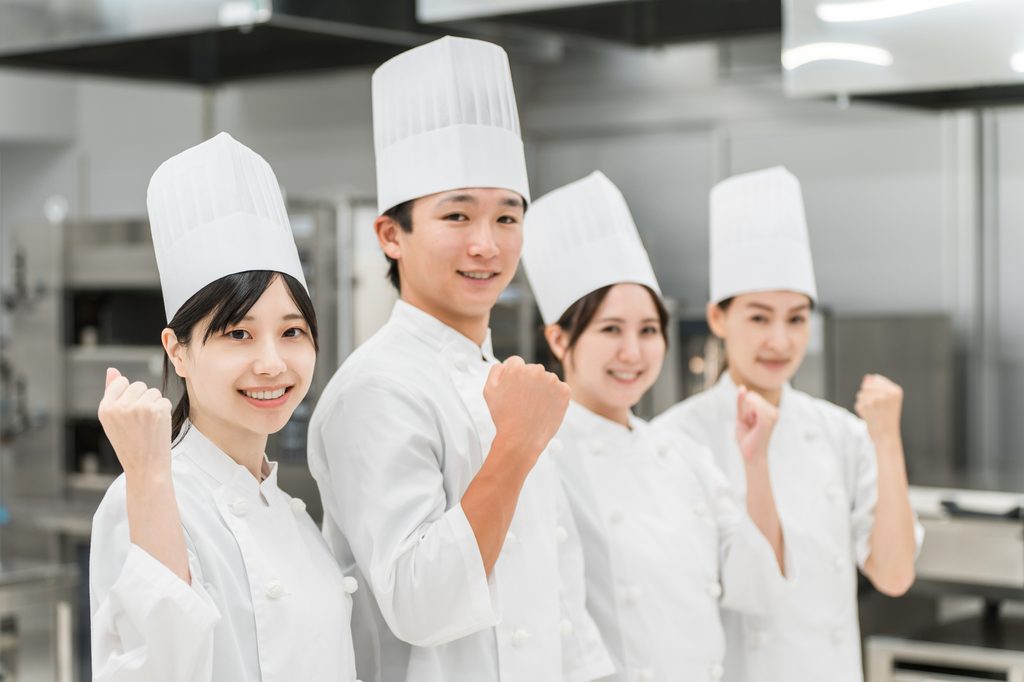
Although she’d taken cooking classes, she’d never even filleted a fish. Nevertheless, she enrolled in a sushi training school and spent six months learning the trade.
According to interviews with Shueisha Online and ABEMA, she took her studies seriously. She says she finished first on every test, partly because of her competitive streak from AKB48 idol group elections, where members were ranked by fan voting.
A borrowed counter and a growing following
Rather than opening her own restaurant, Tomonaga rents space at Sushi Satoru, an existing restaurant in Ebisu run by Araki Satoru. This arrangement, known as magari (間借り), involves renting another establishment’s premises or counter to operate a separate business, similar to how Ōsawa Takamasa once rented space in an Indian restaurant to sell biryani before opening his own place.
Sushi Mio opened in April 2026, initially operating on a much smaller schedule than it does today, allowing reservations only from fan-club members before later opening to the general public. She served customers once a month through the summer, offering a daily-changing course for ¥28,000 (approximately $177). The six available seats reportedly sold out in less than a minute.
When ABEMA filmed one evening, the six diners generated approximately ¥200,000 (approximately $1,265) in sales, including drinks. That’s not a net profit, mind; one still has to account for business expenses like ingredients and rent. But it’s nothing to scoff at.
The restaurant currently opens once a week, and Tomonaga has no plans to further increase its operating days. As she explained to Shueisha Online, her primary occupation remains television and entertainment work. She also doesn’t pretend to be a perfect chef, speaking honestly about the occasional piece of misshapen sushi rice that causes the fish on top to flop over.
The two arguments behind the criticism: gender and experience
The idea that women shouldn’t make sushi is hardly new in Japan. Akihabara’s Nadeshiko Sushi, an all-women sushi counter that opened in 2010, faced similar hostility. Critics claimed women’s hands were too warm, menstruation affected their ability to handle fish, and makeup powder might fall onto the sushi.
The claim that women’s hands are too warm is pretty funny, since research suggests women’s hands tend to be colder than men’s.
You can see that gender imbalance clearly in high-end dining. Food writer Matsuura Tatsuya counted only two women serving as sole head chefs among the 160 Michelin-starred restaurants in the Michelin Guide Tokyo 2026. That’s just 1.25%, despite women making up roughly 30%-40% of culinary-school students. Similarly, yakitori chefs have a similar disparity.
However, it’s not just about gender. In sushi, there’s a traditional saying: “three years cooking rice, eight years making nigiri.” You can see that reflected in traditional sushi training, which typically involves years of demanding, live-in work.
In Tomonaga’s case, she’s only had six months of sushi training. For many, that alone is enough to make them look at her harshly.
Isn’t it just a “fan business”?
Interestingly, the most popular response among Yahoo! News commenters wasn’t about gender discrimination or traditional training. Of 198 comments, the most-liked said she’d been smart to build an income stream around her fans, since the real draw is Tomonaga herself, not the sushi. Fan businesses have been around for a while, so it’s not that much of a stretch.
The commenter argued that diners aren’t holding her sushi to a master’s standard. Her husband made essentially the same point during ABEMA’s coverage, admitting her sushi can’t match that of someone who’s been making it for 20 or 30 years, but saying the process is part of the fun.
Tomonaga herself understands the value of that relationship. She credits former HKT48 senior member Sashihara Rino with teaching her the importance of staying in touch with fans. The handshake events and fan elections she disliked as a teenager helped build the loyal following that now supports her sushi venture.
Looking ahead, she isn’t particularly interested in opening a permanent restaurant. Instead, she’d like to take her sushi to Fukuoka, provide catering, and maybe work overseas. She’s also happy to welcome former HKT48 juniors who want to learn the trade.
Whether six months of training is enough to earn the title of sushi chef is open to debate. But the customers are booking, the business is growing, and Tomonaga is clearly enjoying the challenge.
Keep reading



Sources
「女が握るな」批判を乗り越え寿司職人に…元HKT48・朝長美桜が寿司を通して伝えたい想い「恩返しができたら」 集英社オンライン
「笑うことも、しゃべることもできなくなった」元HKT48・朝長美桜が明かす卒業後の孤独…異変に気づいた母が福岡へ連れ戻すまで 集英社オンライン
元HKT48センター、指原莉乃の言葉で寿司職人に でか美ちゃんら“レス妻”が赤裸々トークの『ダマってられない女たち season3』#7 Real Sound
朝長美桜 ウィキペディア日本語版
SNS大炎上から閉店に至った「なでしこ寿司」の現在…職人・千津井由貴が炎上の理由を振り返る マネー現代
日本初・女性職人のみ!アキバ「なでしこ寿司」店長の苦悩とプライド 現代ビジネス
Research Confirms: Women’s Hands are Colder Than Men’s Raynaud’s Association
「一流料理人は男性が多い?」配信番組(ABEMA Prime)で伝えられなかった、大切なこと Yahoo!ニュース エキスパート
ホリエモン「寿司職人が何年も修行するのはバカ」発言 数か月で独り立ちの寿司はうまいか? J-CASTニュース