
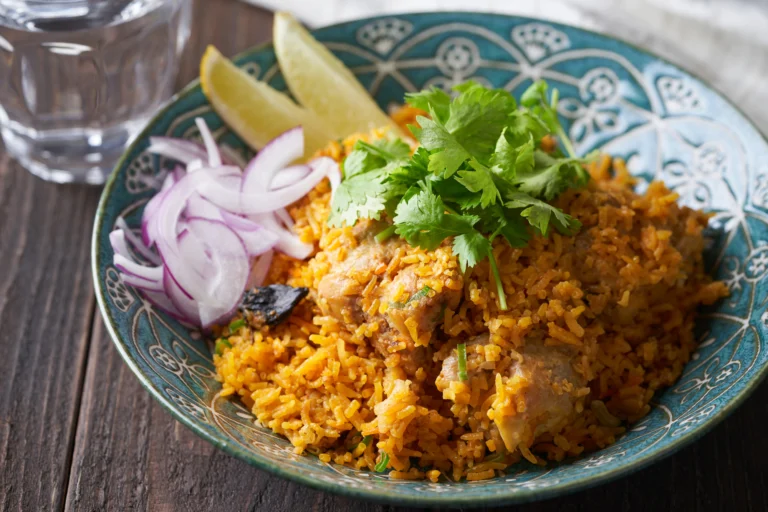
In a basement in Uchi-Kanda, one of Tokyo’s less memorable office districts, Ōsawa Takamasa has built a restaurant around a simple idea: one pot of biryani, ten seats, and one sitting.
A restaurant built around the food, not the customer
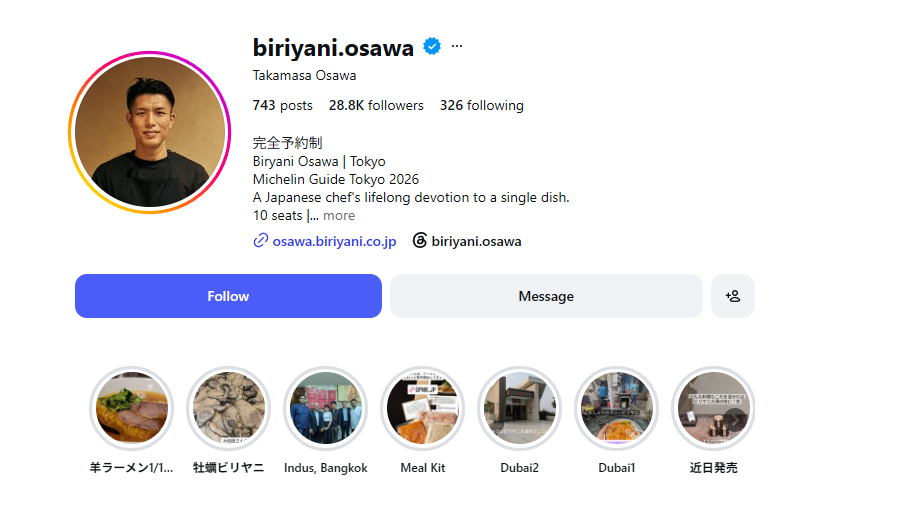
Opened in August 2021, Biriyani Osawa has 10 seats arranged around a horseshoe-shaped counter. The restaurant doesn’t have a menu, and it’s reservation-only. Diners arrive at the same time, take their seats, and the biryani is served.
Hitosara Magazine quoted Ōsawa as saying: “I’ll make the customer wait, but I don’t want to make the biryani wait.” In other words, the reservation system exists to make sure he can serve the food at its best.
However, this isn’t to create an air of exclusivity or to keep things organized. It’s all about the timing, to ensure biryani is served freshly cooked, or takitate (炊きたて).
MIMOSA MAGAZINE has called the approach “biryani fundamentalism.” Ōsawa himself is even more blunt: “The amazing thing isn’t me, it’s biryani.”
That attitude may help explain why the restaurant became one of the more unusual entries in the MICHELIN Guide Tokyo 2026. For those who don’t know, this guide covers 526 establishments, including 160 starred restaurants, 114 Bib Gourmands, and 252 Selected establishments. Various Japanese restaurants, including yakitori restaurant Ginza BIRD LAND, have been honored with stars and plaudits.
Biriyani Osawa received its first Bib Gourmand, which basically means good food at a good value. UJ has profiled other Tokyo restaurants that have received this honor, such as Ramen Break Beats.
To be clear, Bib Gourmand isn’t the same thing as getting a Michelin star, which has its own exacting standards. However, it’s still a notable achievement.
Who is the chef, Ōsawa Takamasa? A quick origin story.
Though the restaurant is Indian, the chef is Japanese.
Ōsawa was born in Nagano Prefecture in 1989. After dropping out of university, he went on a trip to South India. In Coimbatore, Tamil Nadu, he ate biryani for the first time, and it pretty much reset his direction in life.
For the next 15 years, he researched this dish across India, Pakistan, and Bangladesh. He didn’t restrict himself to polished restaurant kitchens, either. In fact, he focused his attention on street stalls, family canteens, and working kitchens. On one trip, he ate biryani at around four places a day.
He absorbed information through observation rather than textbooks or formal lessons, and he didn’t use any tricks or tomfoolery to advance his education. He simply smiled and politely asked if he could watch the cooking.
When he returned to Japan, though, there really wasn’t anything that resembled the biryani he had eaten in South Asia. So, clearly, the only solution was to fill that gap himself.
Taking his passion for biryani to Japan
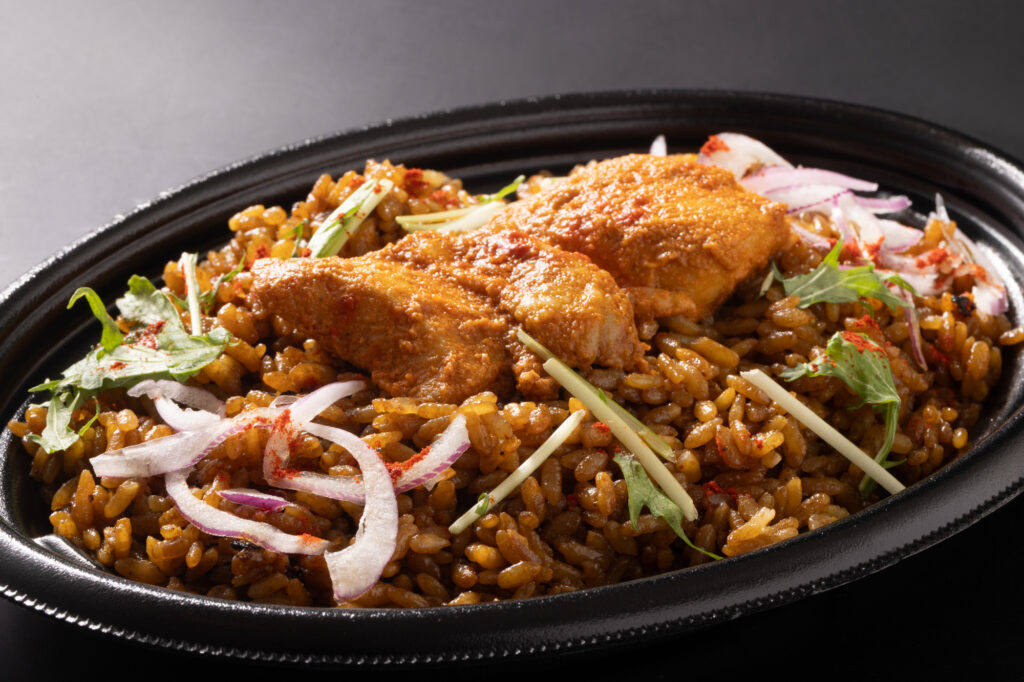
In 2012, Ōsawa created Biryani House and dedicated it to making biryani. He would sometimes hold “Biryani Festivals,” which became popular enough that he also began a pop-up called Biryani Masala. For this, he rented the space in the Indian restaurant Garam Masala on its days off.
When the pandemic hit, social distancing rules made serving biryani the way he wanted, in large but intimate gatherings, almost impossible. For a while, Biryani House had to pause its activities.
However, friends pushed him to make biryani professionally, leading to a 2021 CAMPFIRE crowdfunding campaign entitled “I just want everyone to eat incredibly delicious biryani.” He raised over ¥13 million (~$86,000), nearly three times the campaign’s original goal.
About two months later, he opened Biriyani Osawa in Uchi-Kanda, Tokyo.
A look inside Biriyani Osawa
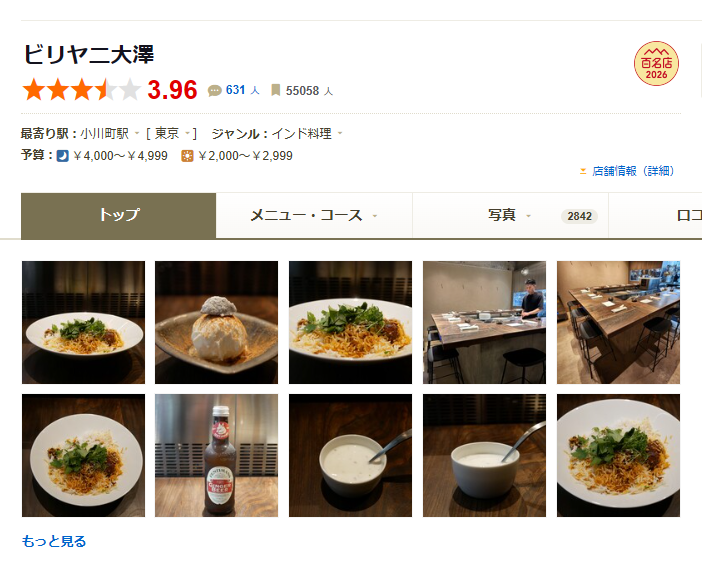
Foodies have responded favorably to Ōsawa’s exacting approach to biryani. Biriyani Osawa has a 3.96 on Tabelog, which is a god-tier rating for that site. It makes the shop one of Tokyo’s 100 best Asian and ethnic restaurants, according to the site.
Today, the official restaurant site lists mutton at ¥3,000 (~$19) and chicken at ¥3,300 (~$21). Taken as a whole with the chef’s dedication to his craft, Michelin’s decision to designate the restaurant as Bib Gourmand makes perfect sense. It’s serious cooking, but without fine-dining prices.
Reservations can be made up to seven days in advance, with availability released at midnight daily. According to The Nod, seats can disappear within seconds of the midnight release. A Washington Post correspondent reportedly compared getting a reservation to getting tickets to Taylor Swift.
Ōsawa is also refreshingly uninterested in turning biryani into a Japanese imitation of itself. He says he dislikes versions that are excessively oily or salty. His goal is balance: a biryani that remains enjoyable until the final bite.
Of the many possible proteins, he says he likes mutton best. This is also one of the most traditional types of biryani, so it’s very fitting considering his dedication to being as faithful to authentic biryani as he can be.
Continued travels to South Asia: cooking biryani in its hometown
Just because Ōsawa opened his own restaurant doesn’t mean he’s stopped traveling. After years spent returning to South Asia, learning from people who cooked biryani in everyday settings, he continues to return.
In 2025, he ran a week-long pop-up in Dubai. In January 2026, he cooked privately for Telugu actor Ram Charan’s family in Hyderabad. And on July 31 and August 1, he held a sold-out two-night pop-up at Indian Accent in Mumbai.
The Mumbai reviews were not universally glowing. The lamb was praised for its succulent texture, while the chicken was described as slightly dry and lacking masala. One review also noted the absence of birista, the crisp fried onions often associated with biryani.
Ōsawa himself has admitted to being nervous when cooking one of India’s most traditional dishes for Indians. His regular customers in Japan are mostly Japanese, whose only experience with biryani may be Ōsawa’s cooking.
Creating the perfect biryani in a way that transcends nationality
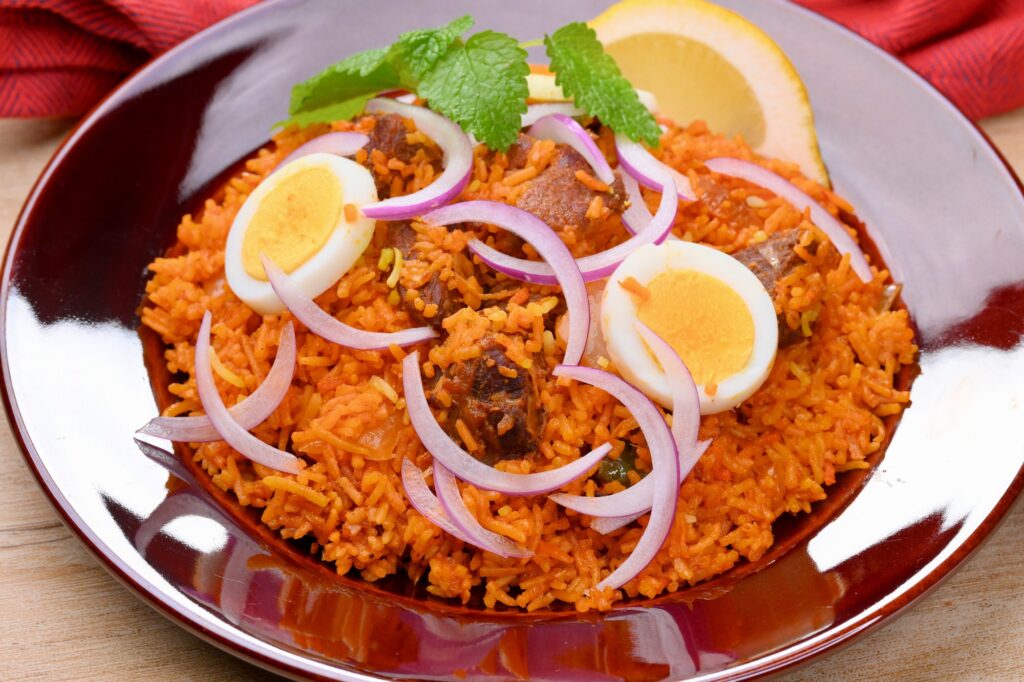
So, why exactly is a Japanese chef receiving recognition for an Indian dish when Tokyo has so many South Asian restaurants?
Some critics online have waved it off as a Japanese chef winning a French award for Indian food. Tokyo has a large Indian and Nepali restaurant scene, much of it run by immigrants, yet no Indian restaurant in the city currently holds a Michelin star.
The interesting question, then, is not whether Ōsawa is entitled to cook biryani. Fifteen years of study, travel, and practice are evidence of his dedication to making his cooking as authentic as possible. He didn’t just steal another country’s dish and do whatever he wanted with it.
Maybe that’s why this particular interpretation of biryani attracted Michelin’s attention. Ōsawa seems to have an answer that’s less about nationality and more about obsession. He’s not trying to make biryani Japanese. He’s trying to make the best biryani he knows how to make, for 10 people at a time.
Finding it impossible to book a table at Biriyani Osawa? Book our Tokyo nighttime dinner tour and let us introduce you to the tastes of Japan. One fee per person covers everything, including reservations, food, and drink.
Keep reading


Sources
ミシュランガイド東京2026でビブグルマンを受賞しました。引き続きビリヤニの発展のために頑張ります。 ビリヤニ大澤【新・公式】 (@BiryaniOsawa)
Biriyani Osawa – Tokyo – a MICHELIN Guide Restaurant MICHELIN Guide (archived)
ミシュランガイド東京2026【総括】掲載情報まとめ|星獲得店・星の内訳 ミシュランガイド.com
ビリヤニ大澤 ビリヤニ大澤 公式サイト
ミシュランガイド東京2026【ビブグルマン】掲載店一覧 ミシュランガイド.com
ビリヤニ大澤 神田/インド料理 料理人 大澤 孝将 氏 ヒトサラ
ビリヤニ大澤 時間指定の完全予約制ビリヤニ専門店|「客は待たせてもビリヤニは待たせない。」|神田・小川町 ヒトサラマガジン
すごいのは僕じゃなくてビリヤニ。予約困難店・ビリヤニ大澤店主・大澤孝将さんが徹する「ビリヤニ原理主義」 MIMOSA MAGAZINE
めちゃくちゃ美味しいビリヤニをみんなに食べさせたい。それだけ! CAMPFIRE
本物に出合う専門店、ビリヤニ大澤が神田にオープン Time Out Tokyo
《ビリヤニ大澤》の魅力を料理家・樋口直哉が紐解く前編|ビリヤニ文化を日本で広める大澤さんの挑戦とは Discover Japan
予約困難店「ビリヤニ大澤」の姉妹店が誕生! 予約不要&1,000円台で味わえる究極のごちそう 食べログマガジン(Yahoo!ニュース)
概要 – 日本ビリヤニ協会 日本ビリヤニ協会
大澤孝将:ビリヤニを極める情熱とこだわりを持った日本人シェフ ARAB NEWS Japan
From office worker to award-winning gourmand: How biryani changed Japanese chef Takamasa Osawa’s life Gulf News
How A Japanese Chef Is Serving Indians Biryani Robb Report India
Remember that viral biryani place in Japan? It’s coming to India this weekend The Nod Mag
Who Is Takamasa Osawa? Japanese Chef, Hosted By Ram Charan For His Signature Hyderabadi Biryani Free Press Journal
ビリヤニ大澤 – 小川町/インド料理 食べログ