
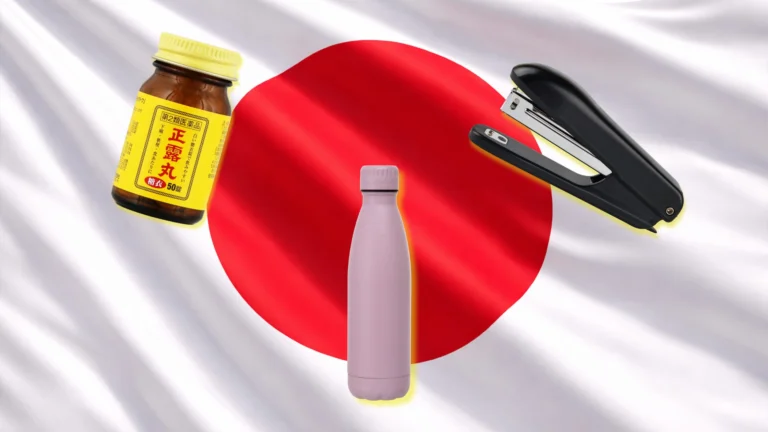
If you’ve ever asked for an aspirin when you just meant acetylsalicylic acid, or talked about riding an escalator, you’ve used a genericized trademark. This is when a brand name becomes so familiar that people start using it as the name of the product itself. If a brand isn’t aggressive enough about defending its usage, it can lose its trademark altogether.
Japan has plenty of examples too. But Japanese law works a little bit differently from Western nations when it comes to trademark protection.
The legal ins and outs of genericized trademarking
Japanese trademark law actually has a term for this process: futsū-meishōka (普通名称化), literally “becoming a common noun.” According to this law, a trademark can lose practical protection once courts determine that consumers understand it as the name of a product rather than the name of the company making it. In English, once that legal protection disappears, it goes from “trademark genericization” to “genericide.”
(In other words, the complete opposite of trying to turn a generic name into a trademark.)
Japan is a bit of a special case because, even though the company might not be happy about it, the country doesn’t have any legal roadblocks to stop this from happening. Nakayama Mariko, a patent attorney, noted in a 2020 survey for the Japan Patent Attorneys Association that Japanese trademark law doesn’t have any direct anti-genericization provisions.
That’s not true around the world. Many European countries make it so that companies can demand that dictionaries acknowledge their trademarks as registered brands. This helps the business keep a hold on its legal status. While Japan has been thinking about making similar rules since the 50s, obviously, it hasn’t. Companies are pretty much on their own in defending their trademarks.
Consequently, this also means that genericide isn’t always universal. In the case of Sony’s Walkman, Austria deemed it a generic term in 2002. However, Sony still owns the Walkman trademark in the U.S.
Real-life examples in Japan
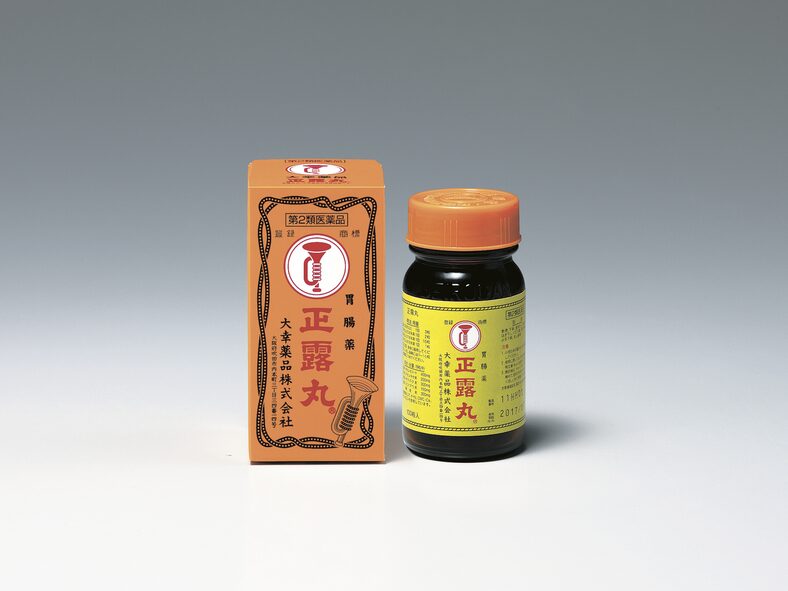
One textbook example for Japan is Seirogan, a type of stomach medicine whose name originally meant “subdue Russia pills,” written 征露丸. After the war it was rewritten with the homophone 正露丸, literally “correct dew pills,” for you kanji geeks out there. The name came about during the Russo-Japanese War, and they ended up being issued to a lot of soldiers.
In 1971, the Tokyo High Court ruled that “Seirogan” had become a generic product name for creosote-based stomach medicine. Later lawsuits in the 2000s didn’t change anything.
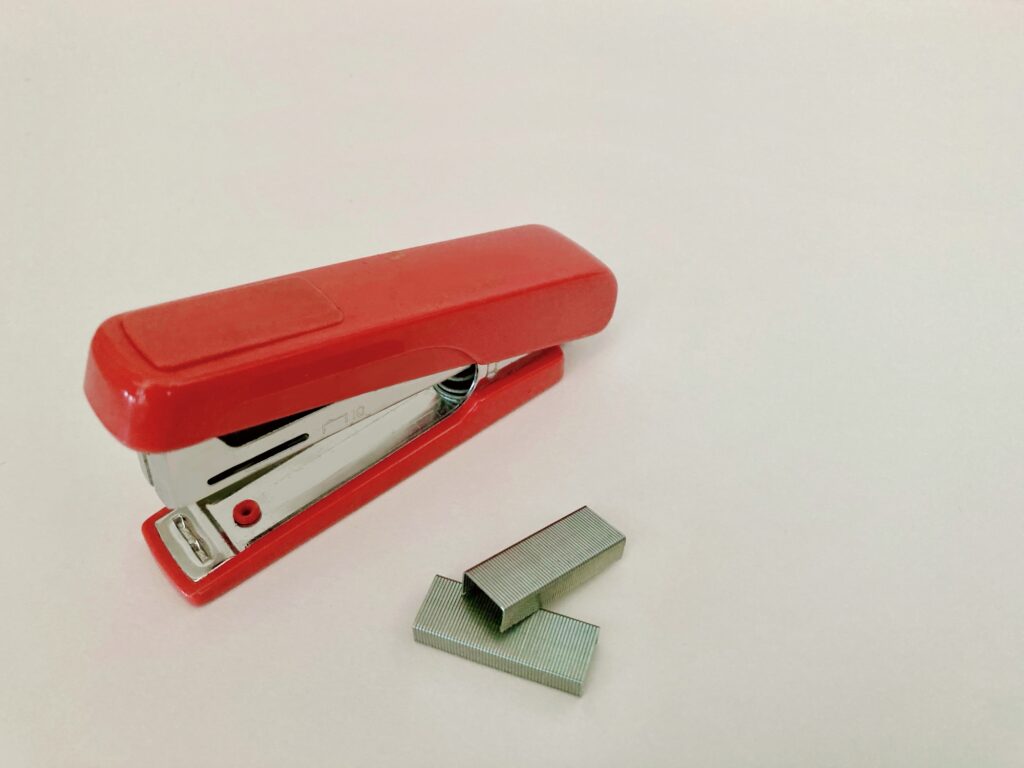
That’s far from the only example, either. Hotchkiss (ホチキス) is the everyday Japanese word for “stapler.” The American E. H. Hotchkiss Company never bothered registering it as a trademark in Japan.
Other names that the Japan Patent Office or the courts have found to be generic are Kaminari-okoshi sweets, Sunny Lettuce, pokeberu pagers, the Setsubun sushi roll shōfuku-maki, udonsuki hot pot, and more. The list spans food, medicine, telecommunications, and manufacturing.
Giving in vs. fighting back
Sometimes companies willingly let trademarks go. Fujitsu General voluntarily abandoned its “Home Theater” trademark in 1999 because letting competitors use the term helped expand the market. In this case, abandoning the trademark was good for business overall.
For others, it presents too difficult a legal battle to bother with. In 1912, Osaka inventor Yagi Teijirō registered the trademark Mahōbin, literally “magic bottle,” for a vacuum flask. However, he never aggressively defended the name, and it gradually entered everyday Japanese.
In an odd coincidence, the Thermos Company also lost its own trademark in the US in 1963. In an even more ironic twist, Thermos is now a Japanese company: Nippon Sanso K.K. bought it out in 1989. The Japanese brand now trades as Thermos K.K. The big benefit of this sale? Thermos is still a live, registered trademark in Japan.
Not every household name has crossed that line, though. Ajinomoto, Washlet, Takkyūbin, Band-Aid, and Cellotape remain registered trademarks despite many people using them as everyday nouns.
In Japan, despite a lack of direct anti-genericization measures, there is one legal tool companies can use: defensive trademark registration. This allows owners of especially famous trademarks to register protection beyond their immediate business categories to help prevent their name from being diluted.
Yamato Holdings, for example, has used this registration system for Takkyūbin, its home-delivery service. The company even went so far as to have talks with Studio Ghibli during the production of the 1989 film Kiki’s Delivery Service, whose Japanese title is “Witch’s Takkyūbin” (魔女の宅急便). (Thankfully, it didn’t stop the movie.)
Ajinomoto offers another example of aggressive trademark management, though its approach is a bit different. The company publishes detailed trademark notation guidelines, trains employees worldwide, and explains on its website which product names are registered trademarks and how it prefers them to be written. The goal is simple: remind people that Ajinomoto is a brand, not a synonym for MSG or umami seasoning.
Question: do you like UJ's independent coverage of Japan? Our writers are supported by our members. Join Unseen Japan Insider to get bonus content every week, an ad-free website, and access to our large and growing Insider archive.If you love what we do, help us pay our writers to do more of it by joining Insider. You'll get bonus content every week, an ad-free website, and access to our large and growing Insider archive.
Respecting trademarks in media
Japan’s public broadcasting network NHK backs up companies that want to protect their trademarks. (Don’t want to land in legal hot water, after all!) In NHK’s case specifically, its editorial guidelines instruct staff to replace many trademarked names with generic alternatives.
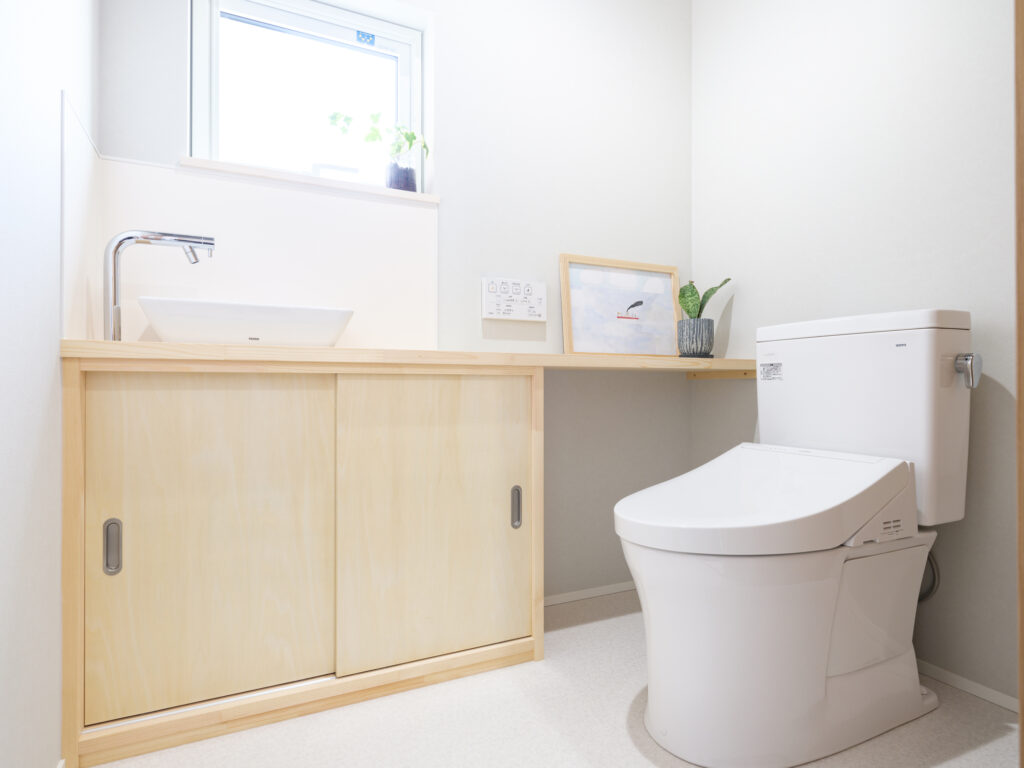
This sometimes ends up with a bit of clunkiness to casual listeners. Rather than saying Ajinomoto, announcers refer to “umami seasoning.” Washlet becomes “warm-water cleansing toilet seat.” Even Tetrapod, the famous concrete wave breaker, gets replaced with the generic “wave-dissipating block.”
Kyodo News has similar internal guidelines about how to refer to trademark names. It’s a subtle but constant reminder that familiar brand names remain legally protected.
Mentaiko: An argument for letting genericide happen
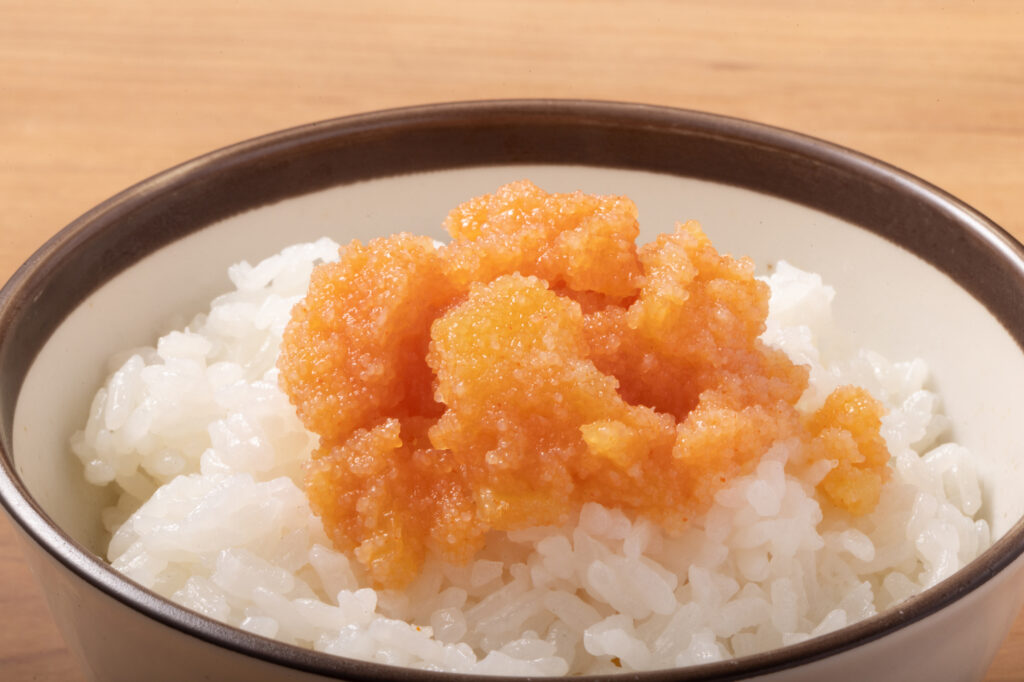
Not everyone wants exclusive ownership of a product name, however.
Take Fukuya founder Kawahara Toshio, who popularized commercial mentaiko (a Hakata specialty adapted from Korean myeongnan-jeot, made from spiced pollock roe) after World War II. Advisers encouraged him to patent his recipe and trademark the name. He refused, arguing that mentaiko was simply food and should remain open to everyone. He even taught competitors how to make it.
Today, his hometown of Fukuoka hosts well over a hundred mentaiko producers, creating an industry worth well over ¥100 billion annually. It’s almost the exact opposite philosophy from Yamato’s careful defense of Takkyūbin.
Sometimes, it’s part of the natural evolution of language; other times, it’s a business strategy. Personally, I think it’s pretty cool that a brand can become so popular that its name is genericized, but companies will do as they please.
Keep reading

Sources
商標の普通名称化 (Trademark Genericization) Wikipedia (Japanese)
普通名称化した商標一覧 (List of Genericized Trademarks) Wikipedia (Japanese)
English and Japanese Generic Trademarks Toyo Keizai / The Oriental Economist
普通名称化と防止措置 (Genericization and Prevention Measures), Nakayama Mariko, Patent journal vol. 73 no. 15 (2020) JPAA / Japan Patent Attorneys Association
ソニー「ウォークマン」敗訴で浮き彫りになった商標確保の問題点 WIRED.jp
「黒猫の宅急便」の商標登録と「魔女の宅急便」との関係を明かに ITmedia Business Online
大幸薬品「正露丸」パッケージ訴訟の考察:前編 日栄国際特許事務所
魔法瓶 (Mahōbin / vacuum flask) Wikipedia (Japanese)
King-Seeley Thermos Co. v. Aladdin Industries, Inc., 321 F.2d 577 (2d Cir. 1963) law.resource.org / US Court of Appeals, Second Circuit
サーモス (Thermos K.K.) Wikipedia (Japanese)
ふくや (Fukuya) Wikipedia (Japanese)
HKT48「テトラポッド」と歌う 登録商標や商品名を言い換えるNHKの方針は最近変わったのか J-CAST News