
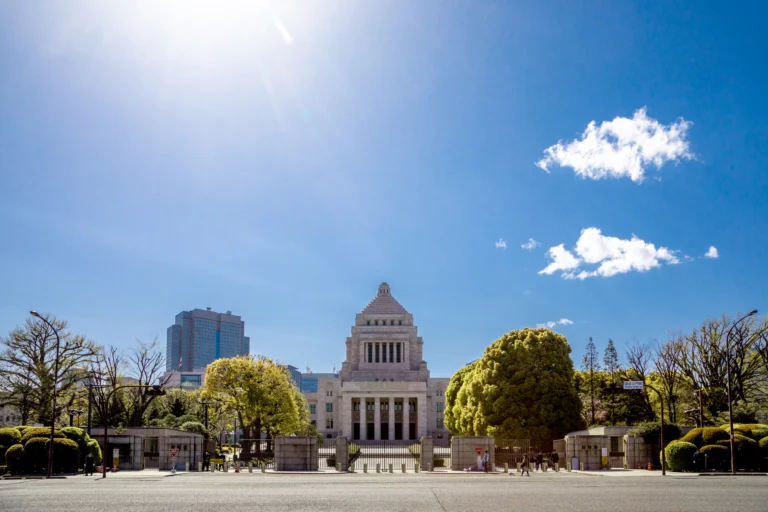
Chants of “No to Hate” and “No to Discrimination” echoed outside Japan’s National Diet on Sunday as approximately 650 people gathered for a demonstration organized by a coalition of human rights groups and immigrant advocates. The protesters called on the government to reconsider a series of immigration measures that critics say are contributing to a growing climate of anti-foreigner sentiment in Japan.
Why people gathered outside the Diet
Sunday’s rally comes after a year in which immigration and foreign residents became increasingly prominent political issues in Japan. Following the 2025 Upper House election, where parties such as Sanseito campaigned under the slogan “Japanese First,” activists say xenophobic rhetoric has become more visible both online and in public life.
Organizers of Sunday’s demonstration argued that recent government policies, from higher residency-related fees to stricter visa requirements, have further fueled anxiety among foreign residents already concerned by the changing political climate.
The rally, held in front of the Diet’s main gate, was organized by the “NO to Hate! National Campaign,” a coalition of 11 organizations advocating for the rights of migrants, refugees, and other minority communities. According to organizers, the event served as the culmination of a nationwide campaign launched in February in response to what participants describe as growing anti-foreigner sentiment in Japan.
During the rally, organizers reported that they had submitted approximately 140,000 signatures to the government and members of the Diet on June 18. The petition called for stronger protections against discrimination, including legislation prohibiting discriminatory treatment based on nationality or ethnicity.
Speakers included representatives from migrant support groups, labor organizations, and community advocates. Among them was a staff member from Karakasan, a Kawasaki-based organization that supports migrant women. Addressing the crowd, speakers emphasized the need for a society free from hate speech and discrimination and criticized what they see as efforts to portray foreign residents as a social problem.
Throughout the event, participants repeatedly stressed that foreign residents are already an integral part of Japanese society. Campaign materials distributed ahead of the demonstration described foreign residents as “neighbors and coworkers” who help sustain local communities and workplaces. Protesters argued that public discourse increasingly depicting foreigners as a threat ignores the reality that millions of foreign residents already live, work, and raise families in Japan.
The policies behind the protest
Among the biggest concerns raised by organizers was a recently enacted revision to Japan’s Immigration Control and Refugee Recognition Act. Japan’s parliament approved the measure on May 29, 2026, raising the legal ceiling on fees associated with residency procedures. The exact operating fees have not yet been finalized, though media reports have suggested they could range from approximately ¥10,000 (~$61) to ¥70,000 (~$432) for residency renewals and status changes and around ¥200,000 for permanent residency applications.
The changes are expected to take effect through future Cabinet orders by March 31, 2027.
Protest organizers also pointed to changes affecting Japan’s Business Manager visa. In October 2025, the minimum capital requirement for the visa increased sixfold, from ¥5 million ($30,900) to ¥30 million (~$185,442). Critics argue that the higher threshold has made it significantly more difficult for immigrant entrepreneurs to establish or maintain businesses in Japan.
Earlier this year, we reported that several immigrant-run restaurants in Tokyo had announced plans to close. Despite years of successful operation, owners simply found themselves unable to meet the new capital requirements. Advocates for the immigrant business community say that as many as 90% of Tokyo’s ethnic restaurants could close under the new requirements.
Campaign materials distributed ahead of last Sunday’s rally also criticized what organizers say is a broader trend toward stricter immigration controls. Efforts tightening requirements for permanent residency and naturalization, along with language requirements and policies aimed at reducing numbers of undocumented residents, make residency in Japan increasingly difficult and expensive for foreign nationals.
Government officials have framed such changes as necessary administrative reforms and immigration management measures. Rally organizers countered this harshly. They claim the cumulative effect has created uncertainty among foreign residents and actively contributed to a political climate in which immigrants are increasingly viewed with suspicion.
Concerns over the fee hikes
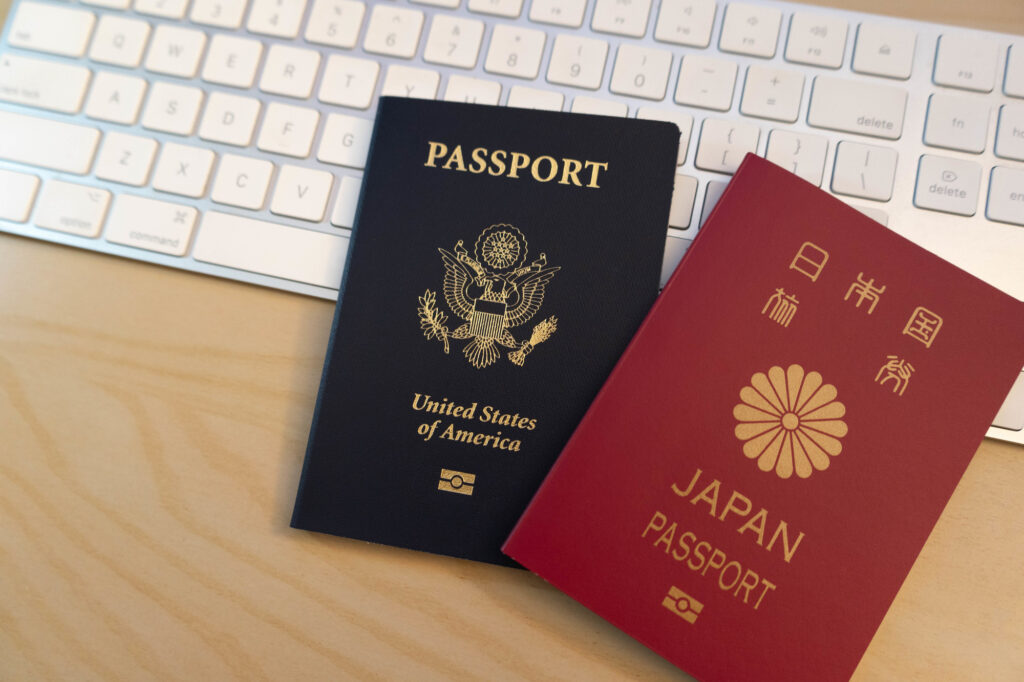
Among the measures drawing the strongest criticism was the increase in residency-related fees. While the government has not yet finalized the exact amounts, advocacy groups and legal organizations have warned that the changes could place significant financial burdens on Japan’s most vulnerable foreign residents.
The Japan Association for Refugees (JAR) has been particularly critical of the proposal, arguing that asylum seekers could be disproportionately affected. Many refugee applicants in Japan hold short-term “Designated Activities” visas that require frequent renewals while their cases are under review. Japan already approves an extremely low number of asylum seekers yearly relative to other nations.
According to JAR, applicants classified under the government’s D-case system often receive only three-month periods of stay and may be required to complete multiple renewal procedures before receiving a longer-term status.
Under the current fee structure, a refugee applicant may already pay ¥24,000 in residency-related fees during the first eight months of the asylum process. For a family of four, that amount can reach ¥96,000. JAR argues that raising fees further could create significant hardship for applicants; since they often are unable to work immediately, they may be struggling to meet basic living expenses while awaiting decisions that can take years to complete.
Similar concerns have been raised by the Japan Federation of Bar Associations (Nichibenren). In a March statement, the organization warned that dramatic increases in residency and permanent residency fees could affect not only asylum seekers, but also long-term foreign residents and workers seeking stability in Japan. The group argued that excessive costs could discourage otherwise eligible residents from renewing their status and, in some cases, potentially contribute to the creation of new irregular residents.
Nichibenren also questioned whether the increases were appropriate at a time when many industries (including caregiving, transportation, construction, agriculture, and fisheries) continue to face chronic labor shortages and rely increasingly on foreign workers.
Question: do you like UJ's independent coverage of Japan? Our writers are supported by our members. Join Unseen Japan Insider to get bonus content every week, an ad-free website, and access to our large and growing Insider archive.We manage to keep most of our content free thanks to the generosity of our members. Join Unseen Japan Insider and you'll get access to new, exclusive UJ member content weekly, an ad-free website, and access to our large and growing Insider archive.
Immigration as a political issue
Last Sunday’s demonstration took place against a backdrop of increasingly heated political debate regarding immigration and foreign residents in Japan. While questions surrounding immigration have long existed on the margins of Japanese politics, they became a hot topic during the 2025 Upper House election last July.
One focal point of that discussion was the infamous Sanseito, whose slogan of “Japanese First” has made stricter controls on immigration a key part of its platform. Party leader Kamiya Sohei relentlessly argued that concerns about immigration and foreign residents were being unfairly dismissed, responding to criticism by saying, “Whenever we talk about immigrants or foreigners, we’re told it’s discrimination.”
Sanseito is hardly alone here. Other parties also advanced proposals targeting foreign residents, including restrictions on foreign land ownership and tighter residency requirements. As a result, immigration became one of the most visible social issues debated during the campaign, and remains a recurring topic trending both in the news and online.
For critics, however, the seemingly endless focus on foreigners in political discourse has contributed to a visible rise in xenophobic rhetoric. Organizers of Sunday’s rally pointed to what they describe as an increase in disinformation and hostility toward foreign residents. Campaign materials distributed warned that foreigners were increasingly being portrayed as a source of social problems despite their role as workers, taxpayers, business owners, and members of local communities.
This concern is not a new one. Ahead of the 2025 election last summer, a coalition led by the National Network in Solidarity with Migrants (Ijuren) released an emergency statement opposing the promotion of xenophobia in political campaigning. The statement was ultimately endorsed by more than 1,100 organizations nationwide.
Sunday’s demonstration reflected those concerns. While participants criticized specific immigration policies, many also framed the rally as a response to what they see as a broader shift in Japan’s political conversation, one in which foreign residents are increasingly discussed as a problem rather than as contributing members of society.
The visible human impact

For many participants, the debate over immigration policy is not an abstract political issue. Instead, it is something that directly affects their daily lives. Several speakers used the rally to illustrate how those debates are affecting foreign residents and immigrant communities on a personal level.
Speaking at the rally, Miguel, a 58-year-old Brazilian resident of Tokyo, said he was worried about the planned increase in residency-related fees.
“Migrants aren’t criminals. Working hard and supporting a family isn’t a crime.”
Others focused less on specific policies and more on what they see as the social consequences of increasingly hostile rhetoric surrounding foreigners. Nui Tatsuo, representative of the civic group With Kurdish Residents in Japan, pointed to the impact political campaigns can have on immigrant communities. The Kurdish community in Saitama Prefecture in particular has come under heavy fire from right-wing political groups.
“Every election, xenophobic candidates give speeches,” Nui told the crowd. “There are children who are afraid just to use train stations.”
The comment reflected a recurring theme throughout the demonstration: that public debates about immigration do not remain confined to campaign speeches, television programs, or social media posts. Organizers argued that rhetoric portraying foreigners as a threat can have tangible consequences for people living in Japan, particularly children and long-term residents who consider the country their home.
That concern was echoed throughout the event. While participants criticized specific government policies, many framed the rally as a broader call for a society in which foreign residents are treated not as invaders for political talking points, but instead as neighbors, coworkers, and members of the community.
Looking ahead
As the demonstration concluded, participants continued chanting “No to Hate” and “No to Discrimination” outside the National Diet. While Sunday’s rally drew attention to specific immigration measures, organizers said the larger issue was addressing the kind of society Japan chooses to build in the years ahead.
With immigration, labor shortages, and demographic decline likely to remain major political issues, the debate shows little sign of disappearing anytime soon. For the groups behind Sunday’s rally, the goal is not simply to oppose individual policies but to advocate for a vision of Japan based on multicultural coexistence rather than hard exclusion.
As organizers repeatedly emphasized throughout the event, “foreign residents are neighbors and coworkers.”
Keep reading



Sources
「ヘイトにNO!」「差別にNO!」…外国人政策の見直しを訴える人権団体や当事者が、国会前で集会 東京新聞デジタル
「ヘイトにNO、人権守れ」 国会前650人、外国人差別反対 共同通信 (via Yahoo!ニュース)
ヘイトに NO!6・21 国会前アクション 移住者と連帯する全国ネットワーク (移住連)
在留外国人の資格更新、手数料上限10万円に上げ 改正入管法が成立 日本経済新聞
政府、外国人の「経営ビザ」要件を厳格化 資本金500万円→3000万円に 日本経済新聞
在日インド人「リトル・インディアの父」が嘆く このままだと9割のエスニック料理店が日本から消える FRIDAYデジタル
「入管法改正案」における在留資格の手数料引き上げに対する意見 認定NPO法人 難民支援協会 (JAR)
手数料の値上げ等に関する出入国管理及び難民認定法改正案の慎重審議を求める会長声明 日本弁護士連合会
誰もが人間として尊重され差別なく共に生きる社会を――排外主義にNO!院内集会からの提言 Dialogue for People (D4P)
「排外主義」が日本の新たな政治課題に 参院選で相次いだ「外国人規制」の訴え、反対の声も高まったが… 東京新聞デジタル
【賛同団体1159】参議院選挙にあたり排外主義の煽動に反対するNGO緊急共同声明 移住者と連帯する全国ネットワーク (移住連)
参政党の演説会場で聞いてみた「外国人問題の根拠は何ですか?」 クルド人ヘイトに揺れる埼玉・川口 東京新聞デジタル