
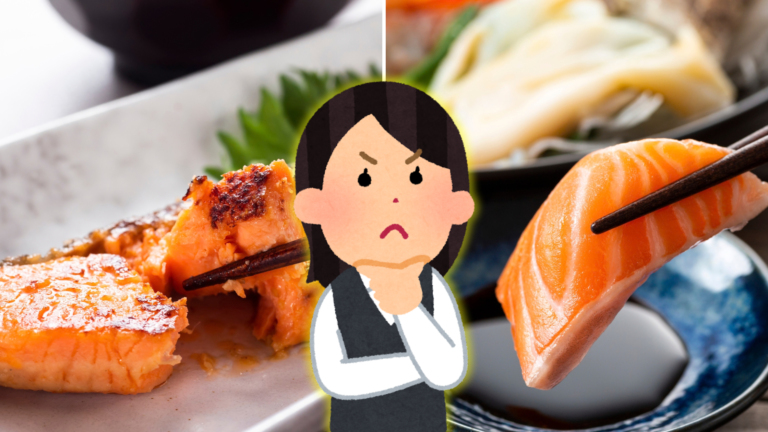
Salmon is the most popular topping at Japan’s conveyor-belt sushi restaurants, and it has been for 15 years straight. Which is kinda funny when you consider that raw salmon was not really part of the Japanese diet before the 1980s.
The reason for the change is partly marketing, but the other part is an interesting advance in fish farming that happened around that time. And that change is actually encapsulated in the different ways that salmon is written: shake or sake (鮭) and sāmon (サーモン).
Two names, two very different fish
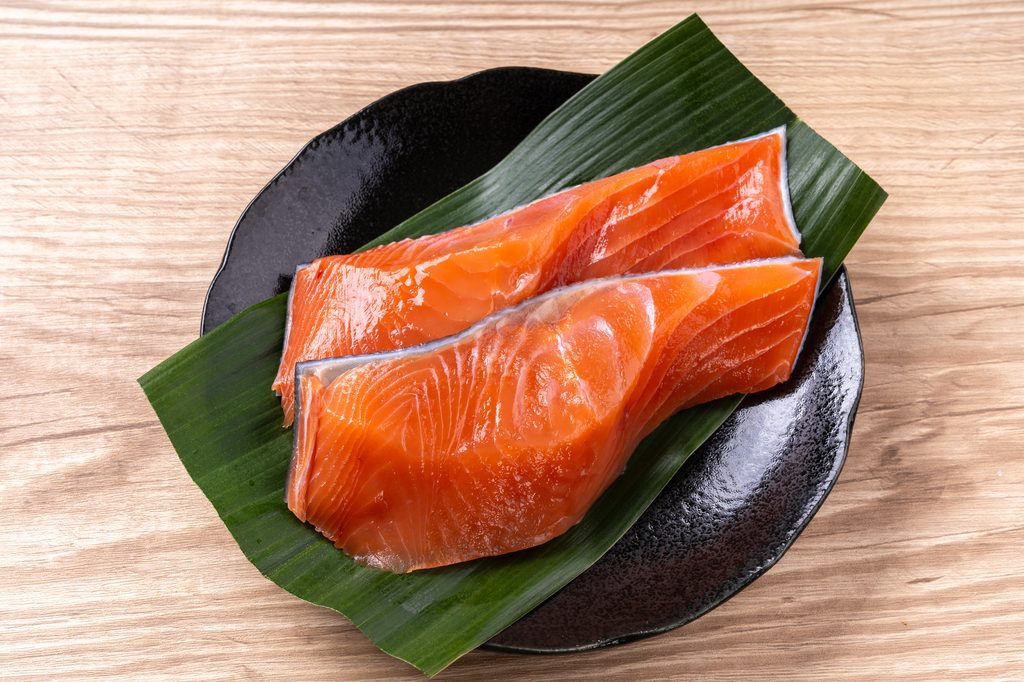
Shake usually means wild Japanese salmon. Sāmon generally means imported, farmed salmon. You can eat farmed salmon raw, but you should really cook most wild salmon before eating.
The reason is very simple: parasites. Wild salmon tends to have them, but if you raise salmon in a controlled environment, that risk goes way down.
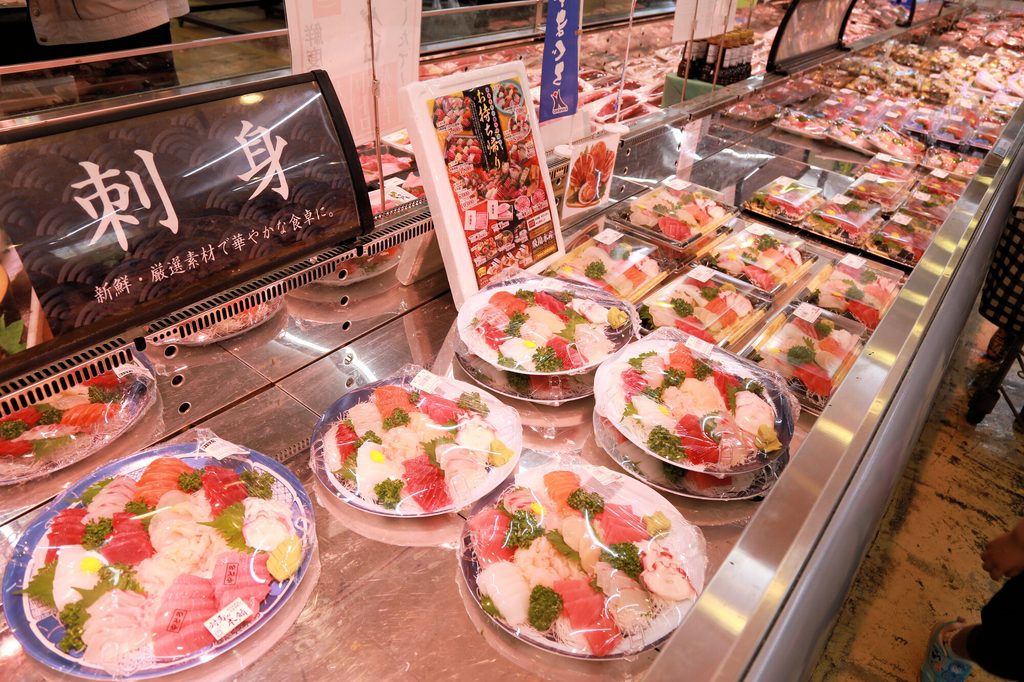
To figure out if a fish is safe to eat raw, you have to check the label. Seafood intended to be eaten raw must carry a designation such as seishokuyō (生食用, literally “for raw consumption”) or sashimiyō (刺身用). Without that label, make sure you cook it before eating.
And as mentioned, salmon is extremely popular for sushi. A 2026 Umios survey of 3,000 regular conveyor-belt sushi customers found that 47.7% chose salmon among their favorite toppings, ahead of red tuna at 36.4%. However, this was not always the case.
Norway wanted Japan to eat salmon
Norway had a salmon surplus problem in the 1980s. In 1985, a Norwegian delegation came to Japan, and the idea that became “Project Japan” was born. The formal program followed in 1986.
One of the people involved was Bjørn Eirik Olsen, a Norwegian fisheries official who had lived and worked in Japan. His market research produced three important conclusions.
First, Norwegian salmon should target the expensive raw-fish market rather than compete with Pacific salmon in the cooked-fillet market. Second, it should be called sāmon rather than shake. And third, it should be sold around freshness, taste, texture, and fat rather than the qualities traditionally associated with Japanese salmon.
The name was particularly important. Japanese consumers already understood shake as a fish you cook. Sāmon created an important mental separation by placing it into an entirely new category.
The campaign took years. Japanese wholesalers initially told Olsen that Japanese people did not eat salmon raw. Celebrity chefs helped soften that resistance, and a major deal with Nichirei eventually moved thousands of tons of Norwegian salmon into Japan’s raw-fish market. By 1995, Olsen saw Norway salmon (ノルウェーサーモン) printed on a conveyor-belt sushi menu.
And frankly, you can’t argue with results. Norway exported only about two tons of salmon to Japan in 1980. By 2025, that number had shot up to roughly 29,000 tons.
The parasite problem with raw fish is real
Olsen didn’t market Norway salmon to be eaten raw for nothing. Rather, the science was on his side.
As mentioned, the reason why you can’t just eat any old fish raw is because of parasites. A Tokyo Metropolitan Institute of Public Health survey of 27 wild Japanese salmon found Anisakis (parasitic nematodes) in every single one. The fish averaged 22 worms each, with one fish containing 161. Other wild salmon species showed pretty high rates of infection.
More importantly, researchers didn’t find the worms simply sitting in the guts, which a good chef could cut away. The survey found Anisakis mainly in the fattier belly muscle (the very part used for sashimi), with muscle infection rates of 80–90%.
Farmed salmon looked dramatically different. In another sampling, none of 27 imported farmed salmon samples had detectable parasites.
That doesn’t mean every wild salmon is crawling with parasites, nor does the old survey establish a current national infection rate. The domestic samples were small, and the detailed 100% figure dates from 1999–2001. However, the research was extremely clear about the risk of parasites between wild and farmed salmon.
So what about frozen salmon?
The thing is, freezing salmon does, in fact, kill parasites. Japan’s Ministry of Health, Labour and Welfare specifies freezing at -20°C for at least 24 hours as one way to kill the Anisakis parasite larvae.
Funnily enough, there’s a way of dealing with parasites that has been around for a while. Traditional Hokkaido ruibe (ルイベ) freezes salmon and then slices it while still frozen.
Of course, not all Japanese wild salmon goes through that process. Domestic autumn salmon, for example, is commonly landed fresh and chilled, but that doesn’t mean it’s ever been frozen.
A 2020 food-poisoning case in Funabashi illustrated the danger: a customer bought autumn salmon labeled nama (生), interpreted that to mean sashimi-grade, and became infected with Anisakis. The city determined that nama meant “not frozen,” not “safe to eat raw” like seishokuyō, and instructed the retailer to clarify its labeling.
One simple rule: check the label
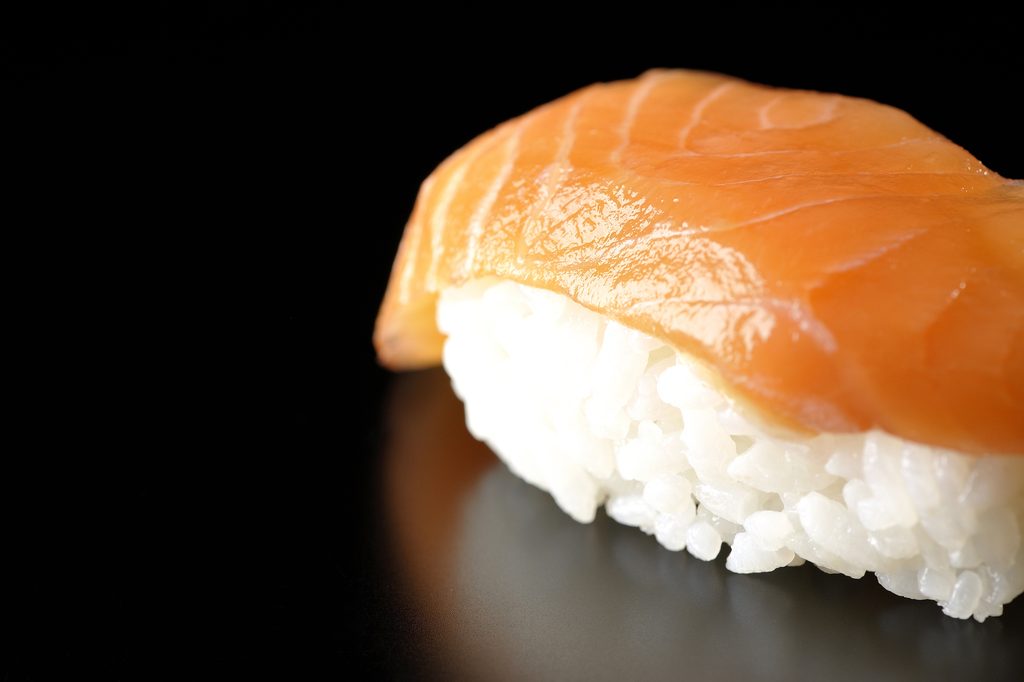
So while we’ve already gone over the practical rule to keep in mind, it’s worth going over again. If salmon is labeled 生食用 or 刺身用, it has been prepared for raw consumption. If it is labeled kanetsuyō (加熱用, “to be cooked”), or lacks the words specifically saying it’s safe to eat raw, cook it.
And another tip: while サーモン generally refers to farmed salmon, it’s not guaranteed, so check the label for a statement that it’s safe to eat raw.
That doesn’t mean wild salmon can never be eaten raw. Ruibe and other shake flash-frozen after catch prove otherwise.
While the world has marketing gimmicks aplenty, it is nice to know that the invention of the name sāmon wasn’t purely for distraction. Rather, it made an important distinction, noting that a fish’s origins could change how people could eat it by the time it hit the table.
Keep reading
Sources
都内流通サケ・マス類からのアニサキスⅠ型(Anisakis simplex)第3期幼虫の検出状況 東京都感染症情報センター
魚種別アニサキス寄生状況について(平成24年4月から令和2年3月まで) 東京都保健医療局「食品衛生の窓」
日本海裂頭条虫 東京都保健医療局「食品衛生の窓」
トイレで気づく食中毒、日本海裂頭条虫症 大阪健康安全基盤研究所
アニサキスはなぜ天然鮭の筋肉に多く寄生するのか? KAKEN 科学研究費助成事業データベース
食品健康影響評価のためのリスクプロファイル ~アニサキス~ 食品安全委員会
誤認を招きやすい食品表示によるアニサキス食中毒の発生について(市内初事例) 船橋市
アニサキス食中毒に関するQ&A 厚生労働省
丸亀のさしみ鮭。生食できる訳 鮭の丸亀
養殖魚にアニサキスは、いない?餌や種苗(稚魚)から考える! 魚食普及推進センター(大日本水産会)
ルイベ 北海道 農林水産省 うちの郷土料理
鮭の水揚げ日本一 秋鮭定置網漁 北海道漁業協同組合連合会(北海道ぎょれん)
一般用生鮮食品(水産物) 東京都保健医療局「食品衛生の窓」
“生で食べない魚”が定番ネタに 「サーモン寿司」普及の立役者に聞く「逆転のマーケ戦略」 ITmedia ビジネスオンライン
How The Desperate Norwegian Salmon Industry Created A Sushi Staple NPR Planet Money
サーモン寿司30周年に際してのご挨拶 大日本水産会
– Det tok oss ti år å få et gjennombrudd iLaks
ビョーン・エイリク・オルセン ウィキペディア日本語版
サーモン寿司、誕生40周年 Seafood from Norway(ノルウェー水産物審議会)
ノルウェー水産物審議会、2025年水産物輸出統計を発表 ノルウェー大使館 水産部
Umios「回転寿司に関する消費者実態調査2026」 Umios株式会社
【プロが解説】違い・選び方は? 生鮭、塩鮭、銀鮭、サーモン…レシピ(食べ方)で選ぶのが正解! 三越伊勢丹 FOODIE
え!? 同じ魚じゃないの? 旬の鮭が生食NGでもサーモンは生食OKな訳 おとなの週末