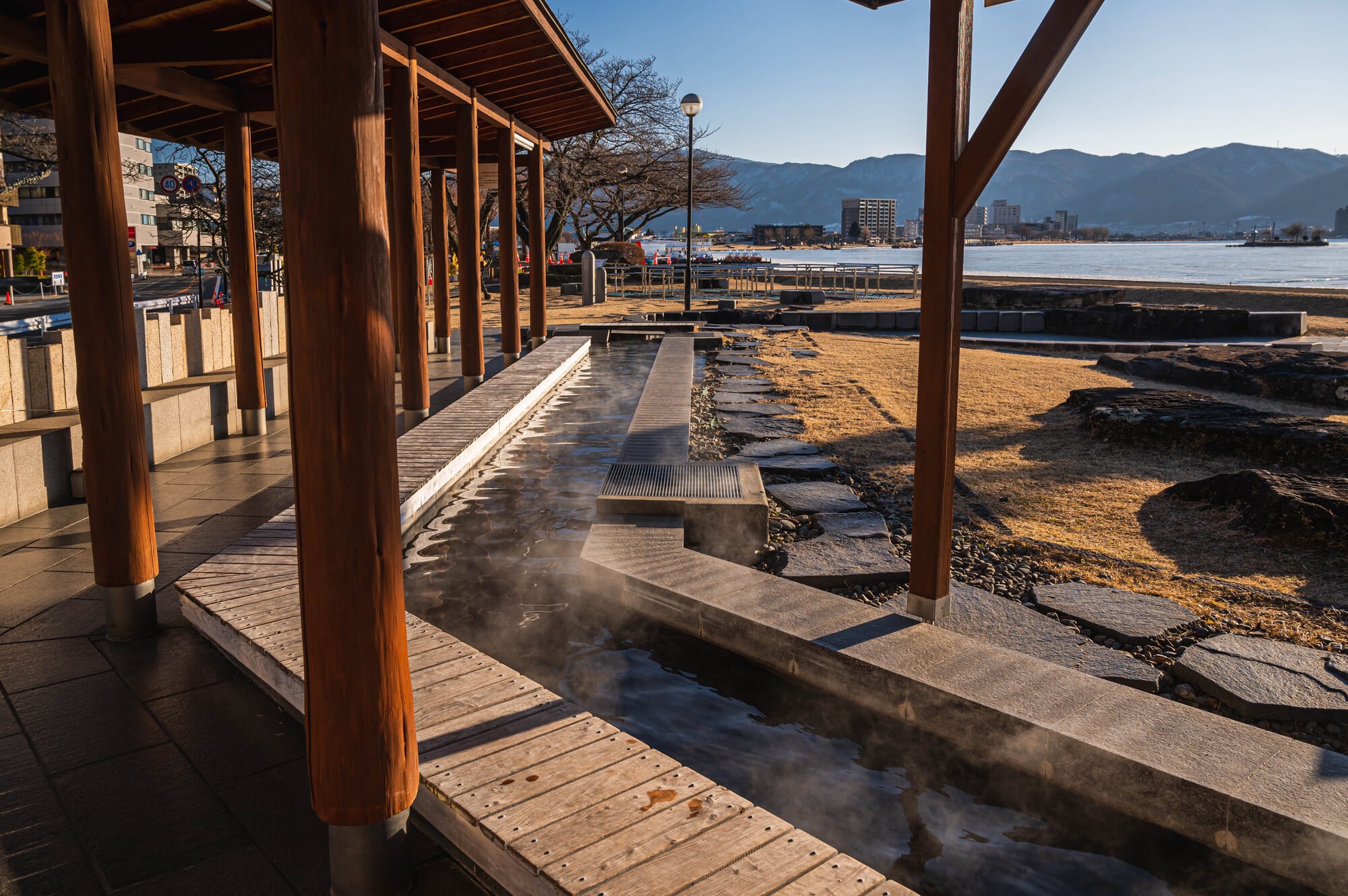


Onsen (温泉), or hot springs, are an important part of Japanese culture, and a big draw for travelers who don’t have the same sort of thing in their country. There are quite a few towns in Japan that are already famous for their onsen and onsen bathhouses, like Kusatsu and Gero.
Onsen are a great way for locals and travelers to relax, but popular ones can get overcrowded.
Enter Suwa: a lakeside town sitting right in the middle of Nagano Prefecture.
Suwa combines old-school bathhouses with serene lake scenery, and since it’s not very well-known, it hasn’t been choked by overtourism. With it being so compact and low‑key, it’s an ideal place for a slow weekend or a one‑night escape.
A homey vibe that doesn’t feel like a tourist trap
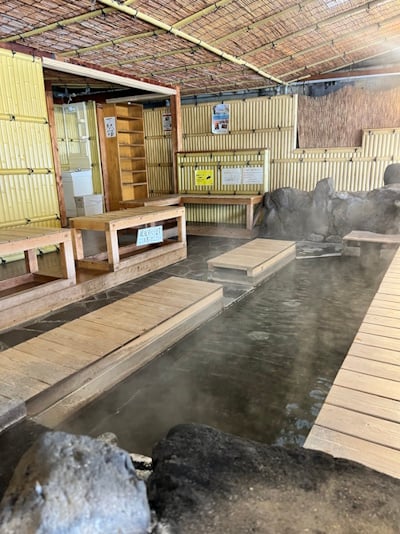
Suwa is best known for the lake it’s named after – a wide, inland stretch of water ringed by mountains and framed by a city that feels more lived‑in than polished. Visitors often describe it as a place where you can walk, cycle, and soak without the pressure to be “productive.”
Suwa is often overlooked in favor of Hakuba, the massive ski resort town located farther north. With Hakuba getting more crowded than ever, however, more travelers are turning their sights to quieter spots like Suwa.
For me, that unhurried rhythm is part of Suwa’s appeal: it functions as an onsen town, but it’s not trying to trap travelers with touristy gimmicks.
What stands out most is the way Suwa stitches together nature and local culture. It’s not simply an onsen resort or a tourist destination. It has shrines, museums, and a calendar of festivals tied to the lake itself.
Sightseeing around Suwa: Walking tours and local legends
A lakeside stroll or bike ride is one of the easiest ways to enjoy nature in and around Suwa. Think parks, open water views, and small sculptures. A roughly 16‑km path circles Lake Suwa, and its mostly flat route means you don’t have to be a hardcore hiker or biker to enjoy it. (Just make sure you’re practicing proper bicyclist etiquette.)
The city even has a “Drinking and Walking Tour” event every spring and autumn. Those who join can visit local sake breweries and enjoy tasting tours.

Want more news and views from Japan? Donate $5/month ($60 one-time donation) to the Unseen Japan Journalism Fund to join Unseen Japan Insider. You'll get our Insider newsletter with more news and deep dives, a chance to get your burning Japan questions answered, and a voice in our future editorial direction.
Suwa also has a surprising number of museums that showcase traditional parts of Japanese culture, like tea ceremony and calligraphy. For the best dose of Suwa itself, Suwa City Museum is a good first stop. It teaches about Lake Suwa’s legends, like the omiwatari ice phenomenon.
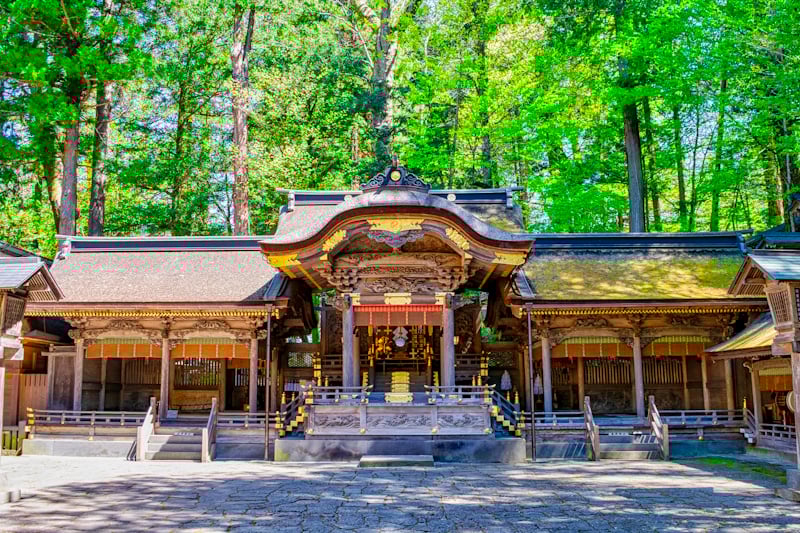
Then there is Suwa Grand Shrine, one of the region’s oldest shrine complexes. Many visitors intentionally pair a morning at the shrine with an onsen stay in the afternoon or evening. Some local Japanese-style inns even run small shuttle or tour buses to the shrine.
A wide variety of onsen to choose from
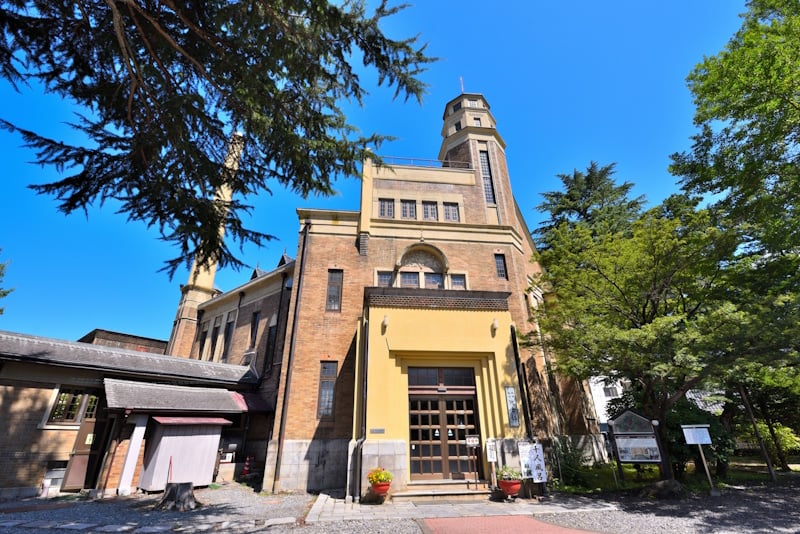
The best‑known onsen area is Kamisuwa, which sits right on the lake’s edge. So, no surprise that many inns there advertise baths that look out over the water. The atmosphere leans traditional, with relatively modest buildings and a focus on the onsen experience rather than flashy amenities.
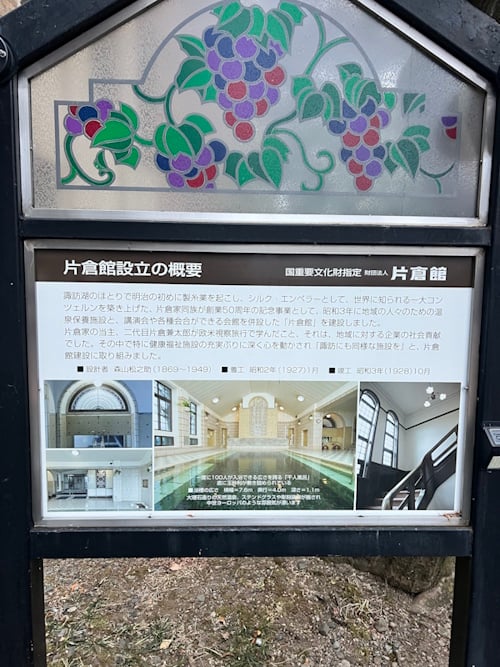
Within Kamisuwa, Katakurakan is often recommended for day‑use bathing – especially its marble-tiled sennin buro (千人風呂), or thousand-person bath. Contrary to its name, its capacity is much closer to 100 people, but I’d say that’s still an impressive number. The interior makes you feel like you’ve stepped out of Japan and back in time to Rome.
To turn up the heat, there’s the Tanga no Yu area. Onsen here are known for extremely hot water that can push close to 52°C (125°F). For reference, the average body temperature is 98.6°F, so pushing it that high can be pretty intense. It’s not for everyone, but it is a favorite among onsen lovers.
Tateshina Onsen, meanwhile, sits a short distance from the immediate lakefront. It touts mountain views, fresh air, and a long‑standing reputation as a health resort. The atmosphere is a bit different as well, more “alpine retreat” than “lakeside town.” But why not? As I see it, it’s practically both a lakeside and mountain town at the same time.
You’ll probably get tired after all the walking and bathing. Before you leave the area, make sure to also try some of the local cuisine. The highlight is the region’s Shinshu soba, yet another soba variety that’s lauded for its deliciousness thanks to both the quality of Nagano’s buckwheat and its water.
A great choice to get away without going totally feral
Enjoying onsen doesn’t necessarily mean hiking up to a mountaintop vista. Suwa works especially well for travelers who want a quiet onsen trip that’s grounded in day-to-day life. The rhythm is simple but satisfying, with enough to do without feeling rushed into a checklist.
At a two-hour trip from Tokyo, getting there takes a bit, but it’s not some overcomplicated trek through the backwoods. Suwa is a city of over 40,000 people, so it’s not lacking in modern convenience.
On top of that, it offers a decent range of sightseeing options without feeling overly commercialized. A lot of the things you do there for fun feel like things the locals would do for fun, too. As a final touch, there’s enough variety in the types of onsen to suit both casual visitors and serious onsen fans.
"Noah [at Unseen Japan] put together an itinerary that didn’t lock us in and we could travel at our own pace. In Tokyo, he guided us personally on a walking tour. Overall, he made our Japan trip an experience not to forget." - Kate and Simon S., Australia

All in all, Suwa is an amazing choice for onsen tours for those who want to escape the tourist crowds and enjoy this small slice of Japan for what it is.
To plan your trip to Suwa, check out the official tourist website. Or, ask us how you can integrate it into a larger itinerary of unseen locations across Japan.
Kyoto City May Partially Ban Vacation Rentals to Give Residents Tourist Relief
The city’s mayor won’t rule out creating “zero-day vacation rental” zones in residential areas in response to chronic complaints.
Japan Sets New February Tourism Record Despite China Boycott
Travel from other countries offset a 45.2% drop from a nation that used to lead the pack in Japan tourism.

Credit Card Tap-to-Pay Comes to Many (But Not All) Tokyo Trains
Soon, you’ll be able to tap-to-pay on many trains and subways across Tokyo. But be warned: not every train company’s on board.
