
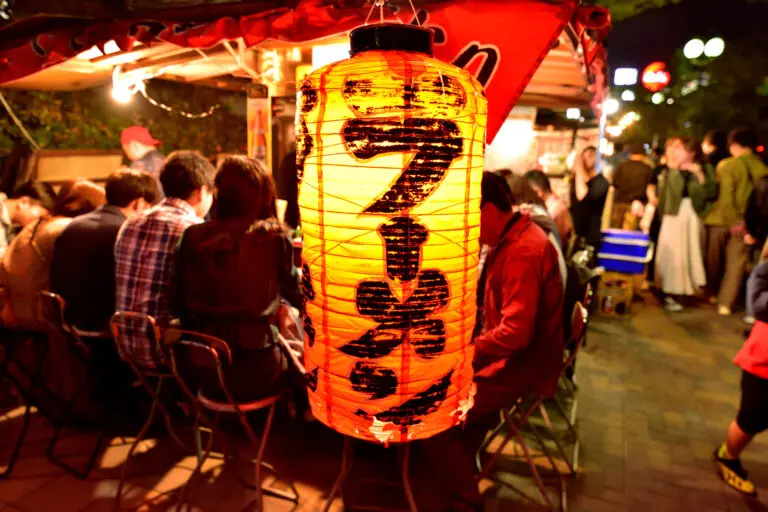
Fukuoka has been quietly doing something that Tokyo, Kyoto, and Osaka are struggling to manage: growing fast as a tourist city without feeling overwhelmed. Here’s how it’s managing and why a trip is worth your time while you’re in Japan.
Fukuoka’s boom in tourism
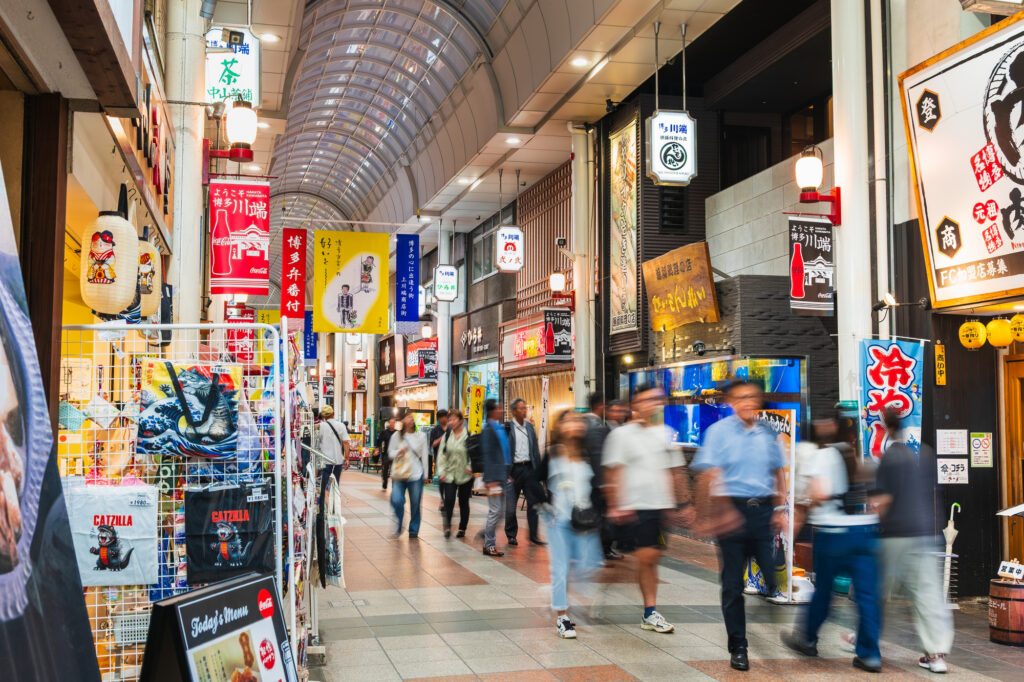
In 2024, foreign arrivals through Fukuoka Airport and Hakata Port reached 3.9 million, smashing both the 2019 pre-pandemic record and 2023 recovery numbers. At the same time, foreign overnight stays in Fukuoka Prefecture jumped 37.3% year-on-year to nearly 6.92 million, making it the 6th-most-visited prefecture and the fastest-growing major destination in Japan.
While that fast growth might be good for the economy, the potential for overtourism looms large. Crowding can get intense. Locals most often have to deal with the frustration of longer commutes or feeling like their home has become commercialized.
However, Fukuoka has three main things that make it feel more balanced as a tourist city: an established culture with open-air food stalls or yatai (屋台), a rejuvenated downtown, and its position as a convenient gateway to other Asian countries.
Yatai all the way: convenient, cheap, and tourist-friendly
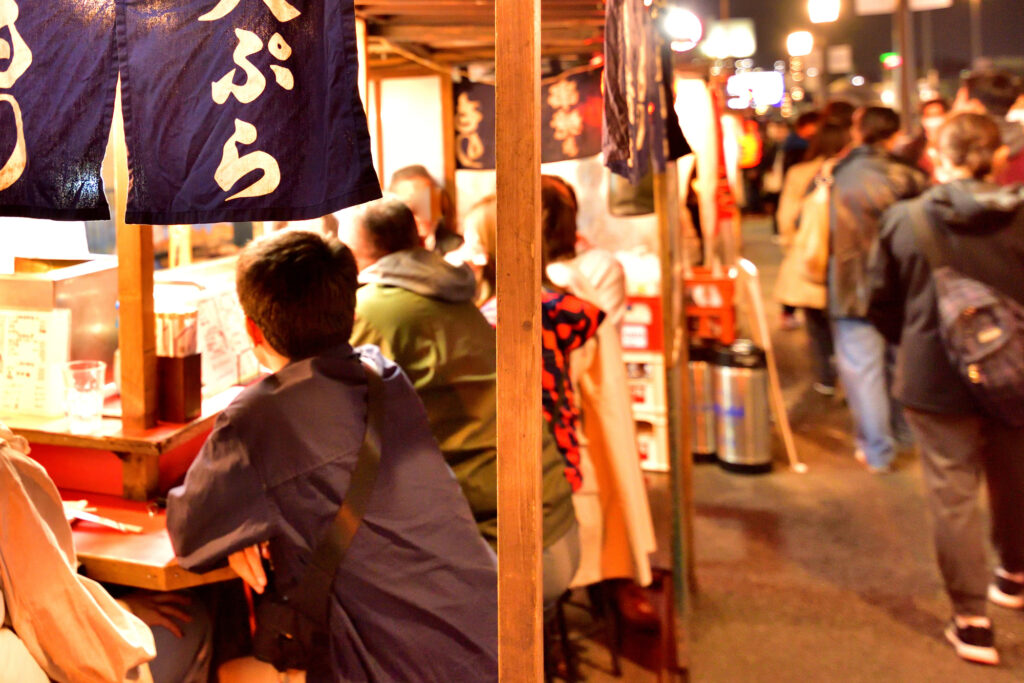
Yatai are a hallmark of Japan’s traditional street food culture, and can be found anywhere: along riversides, lining sidewalks. They can be set up short-term for festivals or stand as a constant presence for the day-to-day commuter. In Fukuoka, yatai peaked in the 1960s, with over 400 filling the city.
However, by 2010, that number had dropped to 155. To ensure they didn’t disappear entirely, Fukuoka passed a municipal ordinance in 2013 to regulate and preserve yatai, and introduced a public recruitment system in 2016 to bring in new stall operators. This helped yatai stay alive even after old yatai operators retired.
These yatai don’t just sell yakitori and ramen, either. You can, of course, still get udon or classic Hakata tonkotsu ramen and eat shoulder-to-shoulder with locals along the Naka River. But newer stalls now serve everything from Italian dishes to Kyoto-style obanzai. Prices are reasonable, too; a bowl of ramen, for example, might go for ¥800 (5 USD), which would be unheard of in Tokyo or Kyoto.
That mix of old and new, tradition and innovation, makes Fukuoka’s yatai stand out. The city’s yatai system even earned a spot on the Good Design Best 100 for fiscal 2025.
Tourists eating from yatai instead of funneling into restaurants may also be part of what keeps locals from feeling pushed out. After all, there’s nothing more frustrating than being unable to eat at your favorite spot because it got popular on TikTok. But with yatai, crowding is less of a worry because you buy your food and keep moving.
Fukuoka downtown redevelopment
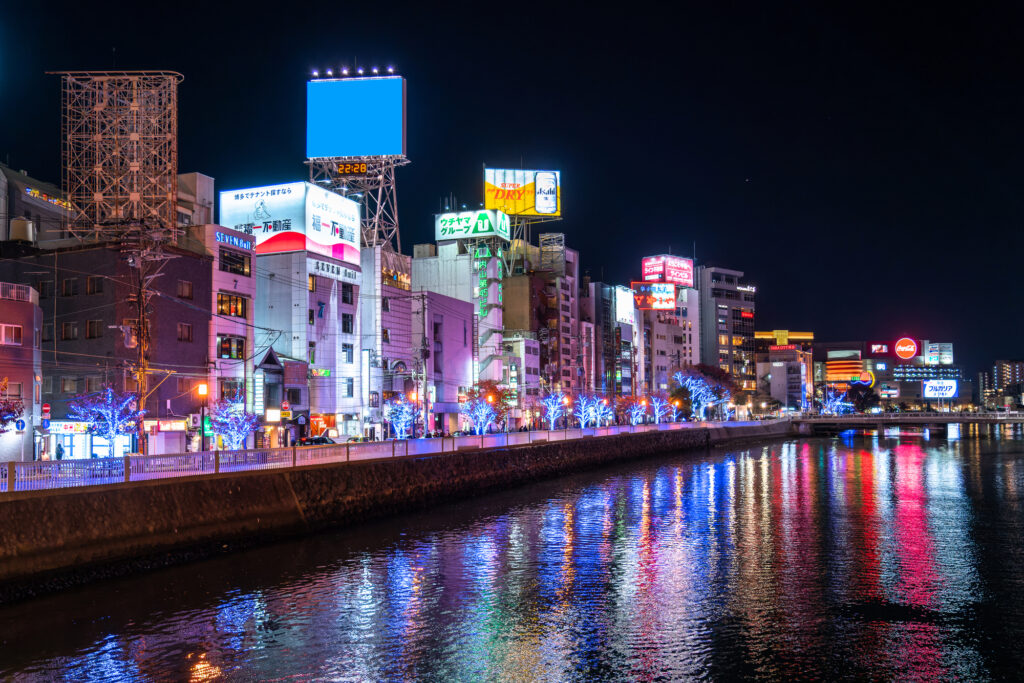
Yatai aren’t the only things drawing tourists. The “Tenjin Big Bang” (天神ビッグバン), Fukuoka’s initiative to pump up and modernize its city center, has done a lot to make the city more appealing as a whole.
This project is responsible for recently opened buildings like One Fukuoka Building and Hulic Square Fukuoka Tenjin. These buildings create new spaces for offices, retail, and hotels, streamlining the downtown area. Even the Gate Hotel and the Ritz-Carlton Fukuoka, the city’s first true ultra-luxury hotel, have moved in.
Under another project, the “Hakata Connected,” Hakata Station also underwent a major upgrade. It had already been serving as the main land-based gateway into Kyushu. These upgrades improved accessibility to key sightseeing spots (like the historic old town of Hakata) while making transportation overall more convenient.
Serving as a gateway by land and air
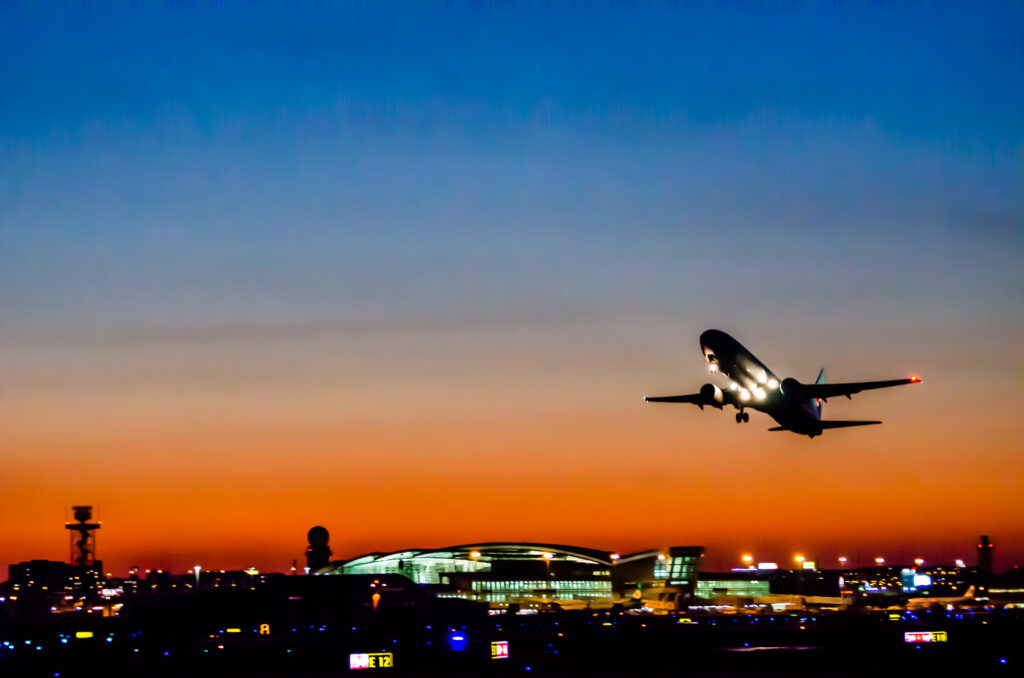
Perhaps the biggest reason that Fukuoka has seen so much growth is that it’s not just a destination by itself: it’s one of the best gateways to other Asian countries.
That convenience is a big part of Fukuoka’s appeal. The airport has positioned itself as a regional hub, with dense low-cost carrier connections to South Korea, Taiwan, Hong Kong, and Southeast Asia. Fukuoka Airport ranks 4th in Japan for total passenger volume, and the fact that it has a five-minute subway line to Hakata Station makes it one of the closest city-airport connections anywhere in the world.
The cherry on top? More than 78% of all foreign visitors to Kyushu enter Japan through Fukuoka, most via the airport, with Hakata Port adding a fast-growing share from cruise ships. Granted, most of that traffic is from other parts of Asia rather than Western countries, and that (alongside a lack of multilingual support in hospitality settings) is one of the biggest gaps in the city’s tourism bingo card.
Despite all the travelers coming through, the city still feels manageable. You can grab coffee, hop on a train, and be at a historical site or the coast in under an hour. Dazaifu Tenmangu (太宰府天満宮), a shrine dedicated to the scholar Sugawara no Michizane, draws 10 million visitors a year, and has a 400-meter pedestrian road leading up to it. That road is bustling with shops, but it isn’t suffocating in the way Kyoto’s hotspots can feel.
Dazaifu Tenmangu Address: 4-7-1 Saifu, Dazaifu, Fukuoka 818-0117
Problems seeping through the cracks?
All that being said, Fukuoka is not immune to the trials of overtourism.
Most people are funneling into only a few places, like Fukuoka City, Dazaifu Tenmangu, or Itoshima (a popular coastal area), leaving the rest of the prefecture under-visited. Itoshima in particular is beginning to see weekend congestion and local complaints, similar to what happened in Kyoto before overtourism became a full-blown issue.
There are also small but telling policy shifts. Nanzōin, a temple known for its massive reclining Buddha, recently introduced a ¥300 (2 USD) entry fee specifically for foreign visitors to cover maintenance and security. It’s a minor charge, but it hints at the same tensions seen elsewhere in Japan as more locations look at two-tier pricing.
Still, compared to the packed streets of Kyoto or the sheer scale of Tokyo, Fukuoka feels like it’s in a different phase of the tourism cycle.
For travelers, that creates a rare window. Similar to other places often overlooked by tourists, like the entire island of Shikoku, Fukuoka gives you the infrastructure of a major Japanese city, the energy of a place on the rise, and just enough breathing room to actually enjoy it.
Want to add Fukuoka (or a fuller Kyushu loop) to your next Japan trip? Most first-time itineraries skip the whole island. Unseen Japan Tours can design a custom itinerary built around what you actually want to see, and act as your Japanese-fluent expert guides on the ground. Chat with us today→
Keep reading

Sources
福岡は前年比37・3%増…訪日宿泊客、24年は過去最多延べ1億6360万人 観光庁調査 西日本新聞me
福岡市の観光は今後どうなる?インバウンドを追い風に『観光都市・福岡市』の可能性が花開く フクリパ
福岡市屋台基本条例について 福岡市
屋台基本条例制定からの10年、屋台消滅の危機からの復活! よかなび(福岡市公式観光情報サイト)
【新規参入屋台5期生】6店舗が、2025年4月から順次営業開始! よかなび(福岡市公式観光情報サイト)
『屋台公募制度』2025年度グッドデザイン賞ベスト100に選出! 福岡市
福岡市のメインストリート〝明治通り〟が天神ビッグバンで変貌する フクリパ
福岡 オーバーツーリズムとホスピタリティの処方箋 Orbague