
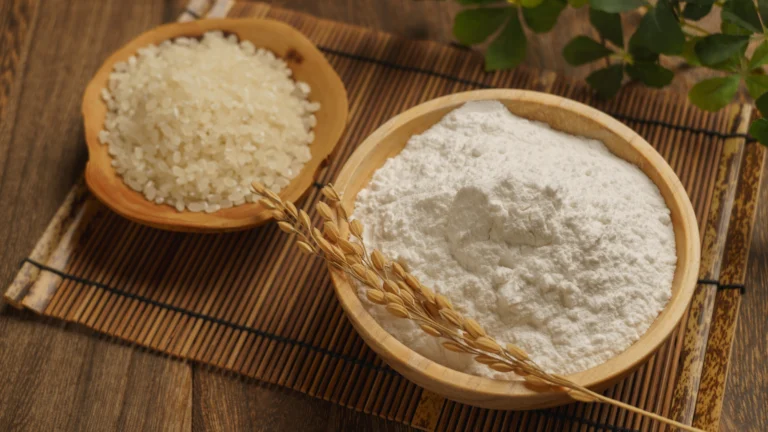
Let’s start with the good news: Japan is a far easier destination for gluten-free travelers than it was even a decade ago. Major cities like Tokyo, Osaka, and Kyoto now have some dedicated gluten-free bakeries, specialty restaurants, and cooking experiences, while better translation tools and allergy cards have made planning easier than ever.
Unfortunately, that doesn’t mean traveling gluten-free in Japan is easy.
Many visitors assume Japanese cuisine naturally lends itself to a gluten-free diet; rice is a staple food, and dishes like sushi seem like obvious choices. In reality, gluten appears in many unexpected places: soy sauce, marinades, broths, curry roux, and even some vinegars used to season sushi rice. For travelers with celiac disease, hidden ingredients and cross-contamination can make dining out surprisingly challenging.
To make it even harder, celiac disease remains relatively uncommon and unknown in Japan. While restaurants often want to accommodate dietary restrictions, many have limited experience preparing meals that meet the strict requirements of a gluten-free diet.
None of this means Japan should be off your travel list. With the right preparation, you can enjoy an incredible trip without making every meal a source of stress.
Prepare before you leave home

Traveling gluten-free in Japan starts long before your flight. While awareness of celiac disease is gradually increasing, many restaurants are still unfamiliar with the condition and the hidden sources of gluten found in everyday ingredients. Even with a Japanese translation card explaining that you cannot eat wheat, staff may not realize that soy sauce typically contains wheat or that not all miso is gluten-free.
Fortunately, a little preparation goes a long way.
Research restaurants in advance. Before leaving home, spend some time researching gluten-free restaurants and bakeries in the cities you’ll be visiting. Save them to a dedicated Google Maps list so you can quickly find nearby options while sightseeing instead of searching when you’re already hungry. It’s also helpful to save grocery stores and specialty food shops near your accommodations.
If that sounds exhausting, consider booking a local guide, such as one of our guides here at Unseen Japan Tours, who can help communicate your dietary needs and recommend suitable dining options, or even help you find restaurants near your hotel or along your planned route.
Carry a Japanese translation card. A well-written celiac translation card should explain that you cannot consume gluten, must avoid cross-contact, and list common ingredients that contain gluten, including soy sauce, barley, wheat flour, and certain types of miso. While many restaurant staff understand the word “wheat,” they may not immediately realize which common seasonings contain it. Here is one of the best ones around, and well worth the money.
Pack travel-sized gluten-free soy sauce or tamari. Many restaurants, especially smaller local establishments, don’t stock gluten-free soy sauce. Bringing a few travel-sized packets allows you to enjoy dishes that are otherwise suitable. Before using your own soy sauce, show your translation card and ask if the restaurant is comfortable with you doing so. Once staff understand why you’re asking, they’re often happy to accommodate the request, and approaching the situation politely and respectfully goes a long way.
Bring emergency snacks. Even with careful planning, there may be times when you can’t find a suitable meal. Pack a few gluten-free protein bars, granola bars, crackers, or other shelf-stable snacks from home for long train rides, day trips, or unexpected delays. While some products sold in Japan, such as SoyJoy bars, are often marketed as gluten-free, it’s still wise to carry snacks you already know are safe.
What to look out for
While Japan has no shortage of naturally gluten-free ingredients, gluten often appears where travelers least expect it. Rather than focusing only on obvious foods like bread or ramen, be mindful of the seasonings and sauces that form the foundation of many Japanese dishes.
Some of the most common sources of hidden gluten include:
- Soy sauce (shoyu): Most varieties contain wheat and are used in everything from marinades and dipping sauces to soups and simmered dishes.
- Miso: Some varieties contain barley, while others may be made only from rice and soybeans. Unless you can confirm the ingredients, it’s safest not to assume miso soup is gluten-free.
- Curry roux: Japanese curry is typically thickened with wheat flour.
- Panko: Japanese breadcrumbs are used in dishes such as tonkatsu, croquettes, and other fried foods.
- Cross-contact: Even naturally gluten-free foods may be prepared on shared surfaces, in shared fryers, or with the same utensils as wheat-containing dishes.
Sounds intimidating? Perhaps, but it’s not impossible. The key is knowing where gluten is most likely to appear, and what questions to ask.
Understanding Japanese restaurant culture
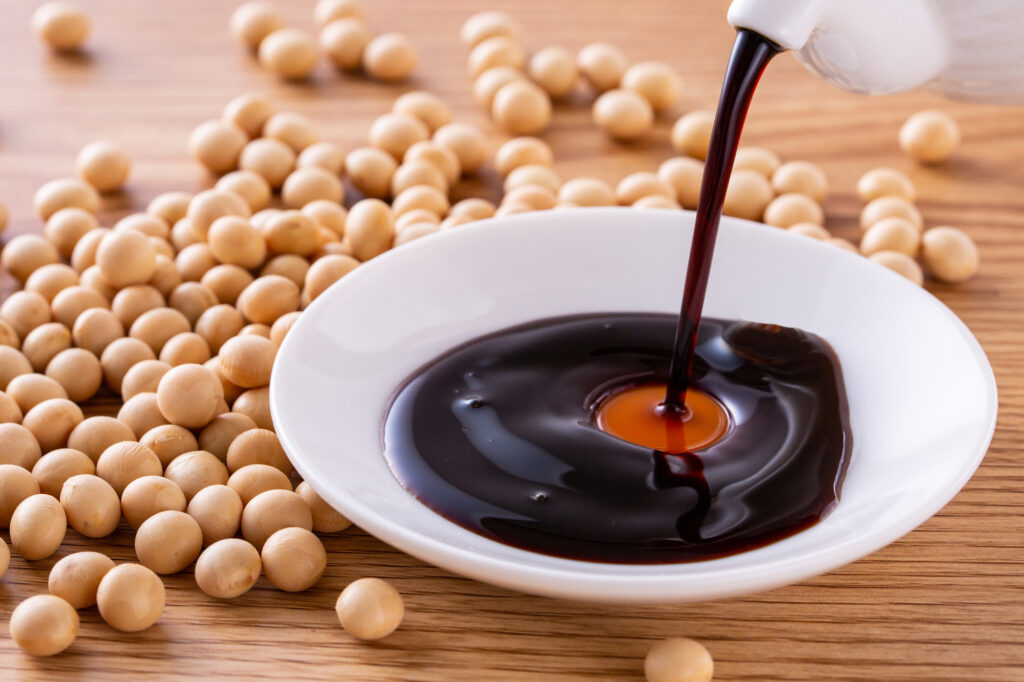
With the country’s reputation for hospitality, one of the biggest surprises travelers encounter is how inflexible Japan can be about substitutions. This isn’t because staff are unwilling to help, but rather how restaurants operate.
Many dishes are prepared according to tried-and-true recipes, with sauces and broths made in advance. Smaller restaurants may not have gluten-free alternatives such as tamari on hand, nor can they always guarantee that a meal will be free from cross-contact.
As such, Japanese restaurants greatly appreciate advance notice whenever dietary accommodations are needed. If a restaurant knows about your dietary needs in advance, they may be able to adjust a dish, suggest a suitable alternative, or let you know beforehand if they cannot safely accommodate you.
Still, if a restaurant politely declines to serve someone with celiac disease or a severe food allergy, it is usually out of caution rather than poor customer service. Japanese hospitality places great importance on providing a smooth, positive experience, and many restaurants are understandably reluctant to accept responsibility if they cannot confidently prepare a safe meal.
Whenever possible, contact restaurants in advance or ask your hotel, tour operator, or guide to assist with reservations and dietary requests. A little communication before your visit can make all the difference.
Foods that are often easier choices
While no food should ever be assumed to be gluten-free without checking the ingredients and preparation methods, some Japanese dishes are generally easier to navigate than others. Good starting points include plain steamed rice, sashimi (served with your own gluten-free soy sauce or tamari), grilled fish seasoned only with salt, fresh fruit and vegetables, and plain tofu that has not been marinated or served with soy sauce.
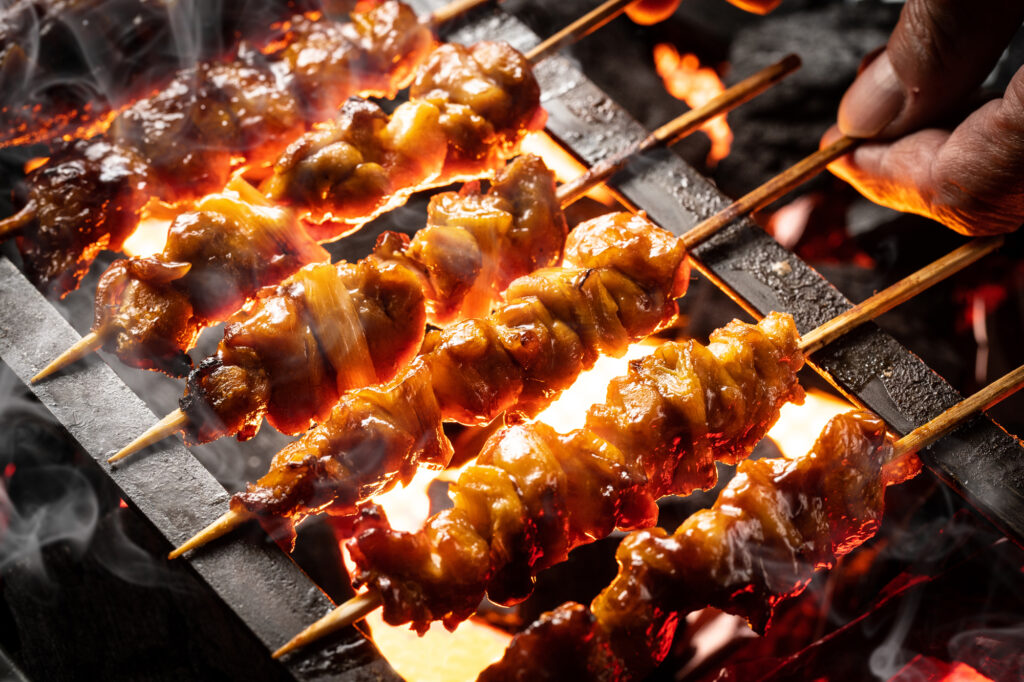
Yakitori can also be a good option at izakaya. While many skewers are brushed with a soy sauce-based glaze (tare), many restaurants can prepare them with salt (shio) instead. Be sure to confirm that the meat has not already been marinated in sauce, and use your translation card to explain your dietary needs, including the importance of avoiding cross-contact on the grill.
If you’re craving noodles, there are more gluten-free options available than there once were. Some specialty restaurants and grocery stores now carry 100% rice noodles, while dedicated gluten-free restaurants may offer noodle dishes specifically designed for gluten allergies.
Buckwheat soba is another food that often causes confusion. Despite its name, buckwheat is naturally gluten-free. However, most soba served in Japan these days is made from a blend of buckwheat and wheat flour.
Unless the noodles are specifically labeled as 100% buckwheat (十割そば / juwari soba), they probably contain gluten. Even then, the dipping sauce (tsuyu) or broth almost always contains soy sauce. Always verify the ingredients or use your own gluten-free substitutes when appropriate.
Meanwhile, certain dishes almost always require extra caution. Tempura, tonkatsu, croquettes, Japanese curry, ramen, udon, and most soba are generally unsuitable for people with celiac disease. Even dishes that appear simple may contain soy sauce, wheat-based seasonings, or other hidden sources of gluten.
When in doubt, ask. If the restaurant cannot confidently confirm the ingredients or preparation methods, it’s best to go elsewhere.
When all else fails: convenience stores and supermarkets
Japan’s convenience stores (konbini) can be a lifesaver when restaurant options are limited. Chains such as 7-Eleven, FamilyMart, and Lawson can be found almost everywhere, even in many rural communities. They’re excellent places to stock up before long train rides or day trips.
Still, caution is advised. Use a translation app to scan ingredient labels and look for products you know are safe. Good options may include plain hard-boiled eggs, plain yogurt, fresh fruit, roasted chestnuts, baked sweet potatoes (yakiimo), and some varieties of onigiri.
Because recipes vary, don’t assume the same type of food at one konbini will have the same ingredients as the other. Even seemingly simple fillings like salmon may contain soy sauce or other wheat-based seasonings. So, make sure you check again.
For a wider selection, larger supermarkets and specialty grocery stores such as Seijo Ishii often carry imported gluten-free products along with naturally gluten-free foods. If you’re staying somewhere with a kitchen, stocking up on groceries can make breakfast or a quick dinner much easier, especially depending on what stops are on your itinerary.
Traveling beyond Japan’s major cities
Once you leave major cities like Tokyo, Osaka, and Kyoto, gluten-free travel in Japan starts to resemble how it was a decade ago. While awareness is gradually growing, smaller towns and rural areas often have fewer restaurants, more limited ingredient choices, and staff with no experience accommodating food allergies.
If you’re heading off the Golden Route, it’s a good idea to prepare in advance. This is where your pre-purchased staples from home will come in handy. You can also stock up at dedicated gluten-free bakeries, grocery stores, or specialty shops in larger cities before hopping the Shinkansen. Having a few extra meals or snacks on hand can provide peace of mind if suitable dining options are limited.
If you’re staying at a ryokan or other traditional accommodation where breakfast and dinner are included, contact the property as early as possible. Last-minute dietary requests can be difficult to accommodate, particularly when meals are planned around seasonal ingredients and prepared in advance. Try to ask as soon as the booking is made, or even before then.
If you’re traveling as part of an organized tour, let your tour operator or coordinator know about your dietary requirements soon after booking. Likewise, if you’ve hired a local guide, share your needs ahead of time so they can help identify suitable restaurants, communicate with staff before you arrive, and plan your itinerary with your dietary needs in mind.
With preparation comes peace of mind
As time goes on and inbound tourism continues to flourish, Japan’s gluten-free landscape will continue to improve. While you’ll still need to exercise caution, a trip to Japan can still be enjoyable. Given the opportunity to prepare, their commitment to hospitality can make all the difference.
For travelers with celiac disease, Japan may never be the most spontaneous destination for dining. But with thoughtful planning, it can absolutely be one of the most rewarding.
Keep reading

Sources
日本におけるセリアック病の有病率に関する研究(厚生労働省)
食物アレルギー表示に関する情報(消費者庁)