
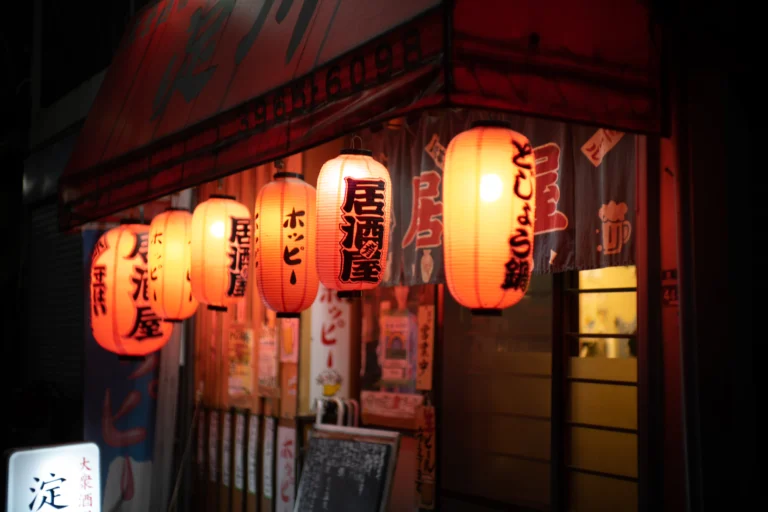
Some things are too good to be true. For years, Japanese diners have been joking that words like “fully private rooms,” “creative dining,” and “all-you-can-eat meat sushi” plastered on an izakaya sign are a sign to run.
Of course, that’s not always the case. But it’s a common enough joke that a viral post earlier this month had people double-checking this unofficial checklist.
The three words on the sign
On September 14, an X user posted the three phrases in the style of a song from this summer’s hit Chiikawa movie. The post racked up more than 71,000 likes and 2.6 million views in three days.
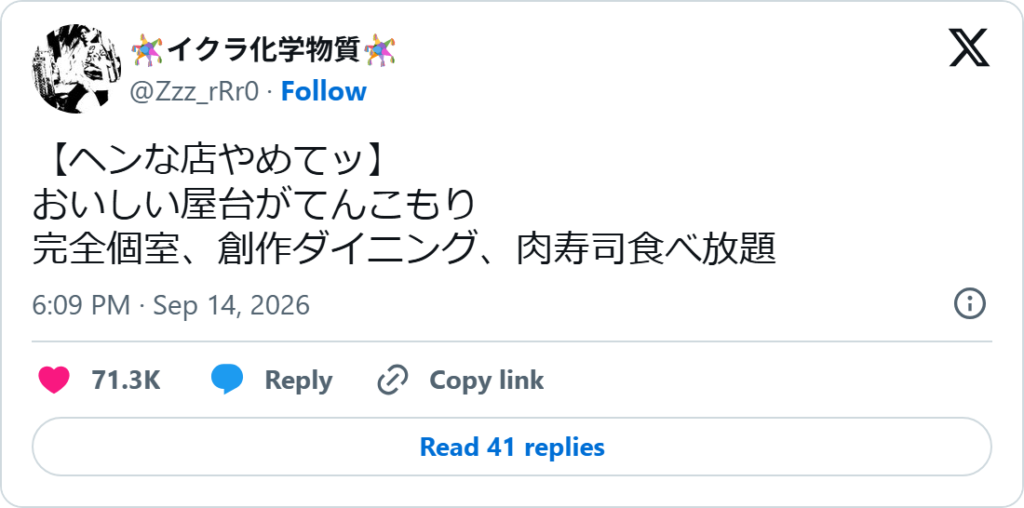
To understand the joke a little better, it’s important to understand each phrase. First is kanzen koshitsu (完全個室) for “fully private room.” A genuinely private room has walls and a door. A han-koshitsu (半個室), by comparison, may be little more than curtains, blinds, or partitions.
Next, creative dining (創作ダイニング, sōsaku dainingu) is a deliberately broad label for a restaurant with a fusion-style menu rather than a clearly defined cuisine.
Third, niku-zushi tabehōdai (肉寿司食べ放題): all-you-can-eat sushi topped with meat rather than fish, including beef or horse meat.
Obviously, none of these are inherently bad. But together, they form a joke that says you’re probably getting hoodwinked. As some replies on that viral post pointed out, those “private rooms” turn out to be only half-private, and the food is only “creative” in the loosest sense of the term.
The replies quickly turned it into a longer checklist: touts outside, suspiciously cheap all-you-can-drink deals, multiple fees on the bill, and restaurants that seem to change names every few months.
For what it’s worth, the existence of scam restaurants is one reason Unseen Japan runs our own Tokyo nighttime dinner tour. We take you to three places we’ve already vetted so you end the evening with a full stomach, not a light wallet.
This checklist is older than the meme
The September post is just the latest version of a list Japanese diners have been passing around since at least 2019. That year, food blogger Yazaki wrote about an unpleasant night in Shinjuku after his group ended up at the izakaya that appeared at the top of a restaurant-listing site.
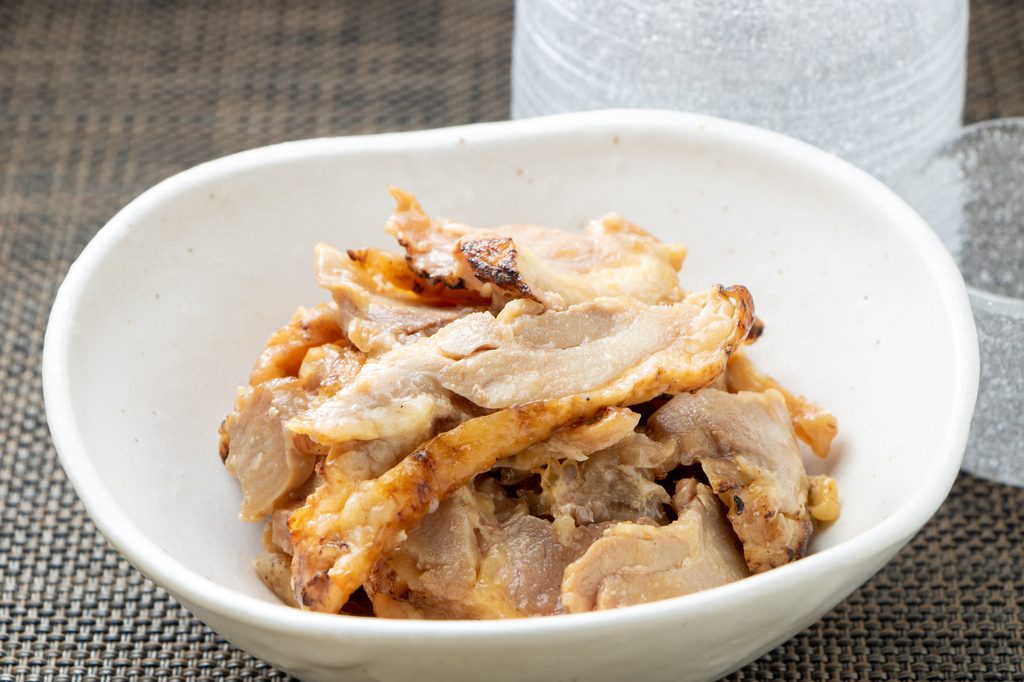
The place advertised fully private rooms, but the “room” was separated by a thin bamboo blind. The drinks were poor, the hot pot was mostly bean sprouts, and the meat sushi turned out to be bacon on rice. The bill added a seat charge, private-room charge, and service charge.
Yazaki’s checklist grew from there. It included “creative” or “fully private” in a restaurant’s name, suspiciously polished photos, unclear cuisine, unusually low prices for an upscale-looking place, meat-sushi and all-you-can-eat offerings, mismatched shop names, low or polarized ratings, and touts.
However, just one or two hits on the checklist does not a bad restaurant make. It’s really the combination of these elements and the picture it creates as a whole that’s the red flag.
How the system works
One piece of the puzzle is kyakuhiki, or touting. These are people who approach potential customers on the street and offer to take them to a restaurant.
Tokyo police specifically warn about touts pretending to represent familiar restaurant chains, telling customers the restaurant is full and offering to take them to an “affiliated” shop instead. In some cases, the destination is an unrelated establishment.
Tokyo wards have introduced their own anti-touting rules, too. Shinjuku’s ordinance has prohibited touting for izakaya and similar businesses since 2013, while Minato’s rules cover businesses more broadly and can include fines and public disclosure of violators.
Restaurant-listing sites add another layer. A 2020 Japan Fair Trade Commission study found that, on some restaurant portals, more expensive advertising plans could affect where restaurants appeared in search results. That doesn’t mean the highest-ranked restaurant is bad. However, “the first result” didn’t necessarily get there based on merit.
…then comes the bill
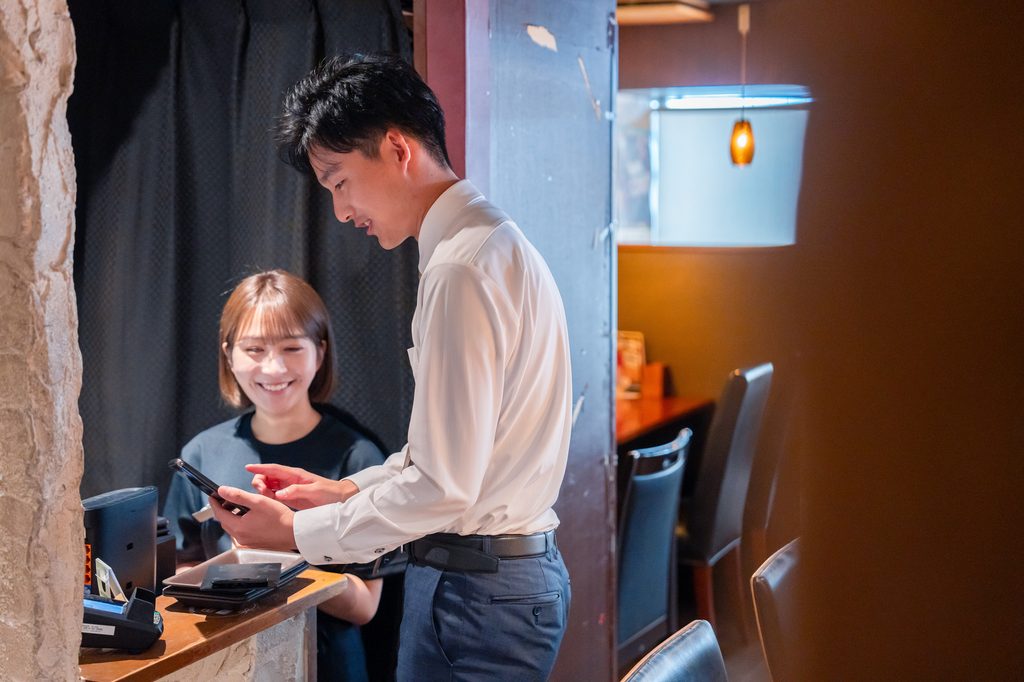
For many diners, the biggest warning sign isn’t the restaurant’s name, but the receipt.
Real receipts reported by Japanese media have included seat charges, weekend fees, year-end fees, service charges, and minimum-order requirements. In one 2018 case, a group that ordered ¥8,630 (~$55) worth of drinks received a bill for ¥32,946 (~$210).
Consumer-law attorney Ueda Kōji has advised that charges clearly explained beforehand or displayed on the menu are generally easier to establish as agreed costs.
Fees that appear without explanation are a different matter. His advice in such cases is to pay for what you actually consumed and challenge unexplained charges before leaving.
So what should visitors do?
The simplest rule is also the one Tokyo police give: don’t follow touts. Beyond that, check the restaurant’s address and recent reviews before walking in. Look for how long the business appears to have operated, whether the name has changed repeatedly, and whether the photos, address, and shop name actually match. And, of course, keep yourself informed on best safety practices.
If you’re unsure, a reputable chain is hardly a crime against Japanese cuisine. Japanese diners themselves regularly recommend them as the low-drama option.
Also, remember that the checklist is a collection of warning signs, not a verdict. Some perfectly legitimate restaurants advertise private rooms, creative food, or meat sushi.
Another option is to have a tour company plan your itinerary. Unseen Japan Tours only takes our customers to places we know are on the up-and-up. We eat there ourselves so you know you’re getting a fair deal.
The point isn’t to turn detective and scrutinize every izakaya sign you come across. It’s to recognize when the bargain-looking dinner in front of you might come with a few more surprises than the menu suggests.
Keep reading

Sources
新宿でぼったくられた悔しさから「アレな店チェックシート」を作った! へんてこグルメガイド
食べログ頼みから卒業!ヤバい店を事前に見分ける方法が話題 女子SPA!
近々行く飲み会が「全席個室」「バル」「肉寿司」を満たしてて不安→「激ヤバ居酒屋三銃士じゃないか」 Togetter
幹事を任された若者へ、今から伝える店はハズレ率が高いので歓送迎会に使わないでください。というか鳥貴族に行きたい Togetter
地雷の店を避ける方法はわかるけど逆に完全個室な肉バルや創作和食を楽しみたい時ってどうしたらいいんだ?→そもそも完全個室の肉バルっていうのが矛盾してるから避ける Togetter
東京在住27年目による「都内ヤバい飯屋ワード完全早見表」がさすがの解像度→「珍しく本質情報すぎる」「東京はこの地雷をクリアしてからが本番」 Togetter
「予約今日明日減ったなと思ったら…」秋葉原肉寿司が「都内ヤバい飯屋ワード完全早見表」に「肉寿司」があることに嘆き…ここは信じられるが他はガチで地雷だらけ Togetter
「満席だから系列店にご案内」はウソ 鳥貴族がお客への注意喚起続ける ITmedia ビジネスオンライン
客引き・スカウトの検挙状況と検挙事例 警視庁
客引き行為等の防止に関する条例の施行・改正、禁止となる行為 新宿区
港区客引き行為等の防止に関する条例 港区
品川駅港南口の客引行為について 港区
飲食店ポータルサイトに関する取引実態調査報告書 公正取引委員会
居酒屋のキャッチについて行ったらどうなる?その1 はまれぽ.com
店名を変更する 食べログ店舗会員ヘルプ
勝手に提供される「お通し」は断れるのか? 飲食店で賛否ある“お通し問題”の裏側 Yahoo!ニュース エキスパート
メニューに小さく表示「週末料金1人500円」「サービス料15%」、これってぼったくり? 弁護士ドットコムニュース
座るだけで「1960円」居酒屋のえげつない料金システム…全部支払わないとダメ? 弁護士ドットコムニュース
【忘年会・新年会】居酒屋の「お通し」断ると…料理が“提供されない”? 支払い義務も弁護士に聞いた オトナンサー