

A question posted on X recently asked what might be one of the most common worries among people planning their first trip to Japan. That being, how bad of an idea is it to visit if you can’t speak a word of Japanese?
Mostly, there’s only a problem if you make it one
The thread from user @_claypot was simple. Surprisingly, despite its simplicity, it generated a large amount of discussion among both English speakers and Japanese users.

The answer from Japanese users was surprisingly reassuring. The problem, at least from a Japanese perspective, is not that visitors cannot speak Japanese. It is when visitors assume that everyone else should speak English.
Probably the most viral reply was one of the most straightforward: if you arrive with your phone in hand, look a little apologetic, and make an honest effort to communicate, Japanese people will often try to help. The post received more than 114,000 likes and was viewed over 10 million times.
It got so much attention because it’s more than just helpful. It’s backed by evidence from many people’s experiences when traveling through Japan.
Common issues that foreign travelers run into (language-wise)
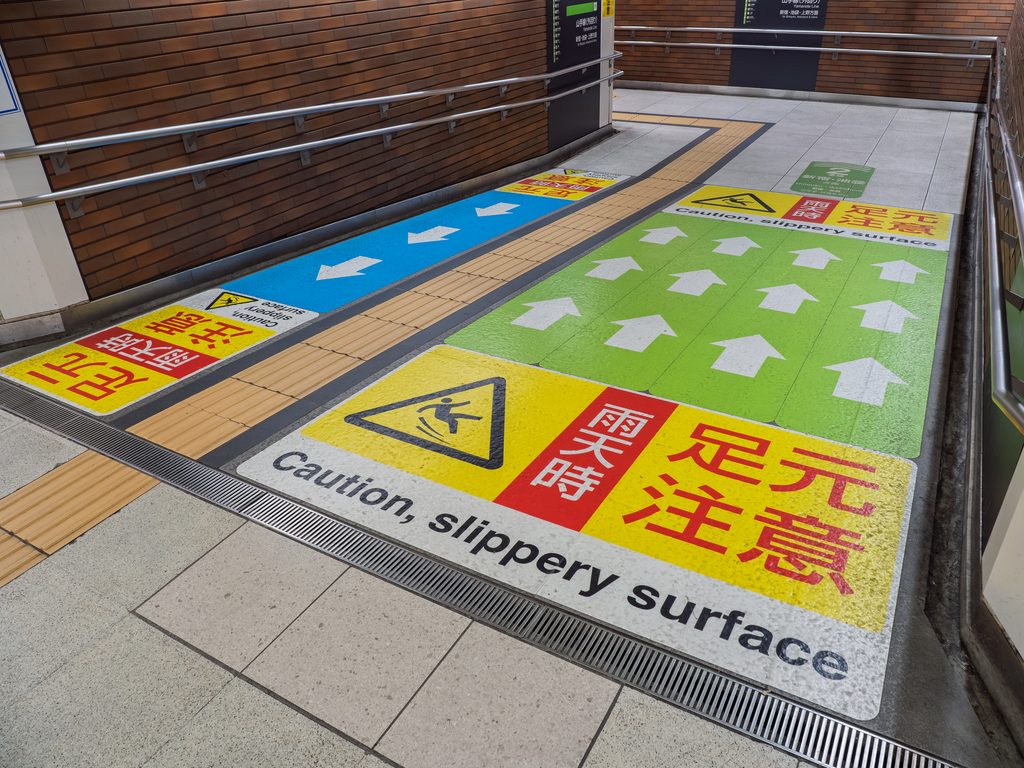
For years, Japan’s Tourism Agency has been asking foreign visitors about the problems they encounter. Its latest survey, covering November 2025 through January 2026, found that 15.4% of departing visitors had experienced trouble communicating with staff in various places (restaurants, train stations, shops, etc.), for example, when English was not understood. Language was the second most commonly reported problem, behind the shortage of garbage bins.
As a quick rundown, the percentage reporting communication problems was 17.0% in fiscal 2019. It jumped to 22.5% in fiscal 2023 after Japan reopened to international tourism, then fell to 15.2% in fiscal 2024 and 15.4% in fiscal 2025. In other words, it really hasn’t changed that much.
So despite years of translation apps, multilingual signage, and government programs aimed at making Japan easier for international visitors, the language problem has not exactly gone away.
Language barriers in urban vs. regional areas: surprisingly worse in cities?
The data also challenges the assumption that the language barrier becomes dramatically worse in regional Japan. According to the latest survey, 16% of visitors who traveled only in urban areas reported communication problems with staff. The figure was actually lower, at 12%, among visitors who traveled only in regional Japan, which the survey defines as anywhere outside the eight prefectures around Tokyo, Nagoya, and Osaka. Interestingly, those who visited both came in at 16%.
Meanwhile, 43% of city-only visitors and 50% of regional-only visitors reported having no problems at all.
Of course, that doesn’t mean regional Japan is secretly easier for English speakers. The survey measures whether people reported problems, not how difficult communication actually was. Not to mention, two thirds of foreign guest-nights in 2025 were still spent in those same eight prefectures. By contrast, those who travel outside the big cities are more likely to expect a firmer language barrier and prepare themselves accordingly.
Still, the fact that there’s no significant urban-regional language gap means that Japan doesn’t suddenly become linguistically terrifying outside of Tokyo and Kyoto.
Language isn’t the only challenge you face when getting around in Japan. Transportation logistics, payment, and questions about where to stay can bedevil the first-time visitor. If you need help, sign up for our free five-day Japan trip planning guide – we’ll tell you everything you need to know.
Where communication becomes most difficult: restaurants

Among visitors who experienced communication trouble with staff, restaurants and bars were the most common location, accounting for 38% of cases. Train stations and bus terminals came next at 27%, followed by other retail at 22%.
When you think about it, it does make sense. Ordering food is such an everyday thing, but it involves conversation, questions, substitutions, allergies, and payment. On top of that, sometimes there’s an entire set of unwritten rules that cannot easily be conveyed through a sign.
And when communication breaks down, most visitors now reach for their phones.
The Tourism Agency found that 68% of people who encountered staff-communication problems dealt with them by using ICT tools such as translation apps. For problems reading signs, 57% used them. In other words, pulling out Google Translate is no longer some desperate last resort. It’s become a normal part of traveling abroad.
Still, some restaurant employees say they dislike the friction that using translation technology causes and the confusion it can create. If you want to avoid this on your trip to Tokyo, check out our Tokyo food tour, where UJ publisher Jay Allen takes you to three of his favorite Japanese restaurants and translates for you the entire evening.
Why is the language hurdle so high?
There is also a simple reason Japanese people may not always respond in English: many cannot. EF Education First’s 2025 English Proficiency Index ranked Japan 96th out of the countries included, with speaking its weakest measured skill.
The index is not a representative national survey, but it supports what Japanese users were saying in response to the viral X post. It’s just not realistic to expect an ordinary Japanese person to produce English on demand. It’s one reason why many travelers consider booking a tour guide for at least part of their trip.
Japan has spent years improving multilingual infrastructure, including government-supported signage and tourist information in English, Chinese, and Korean. But the country’s own data suggests that the hardest interactions are often still the ones involving live conversation with another person.
So… how much Japanese DO you need while traveling?
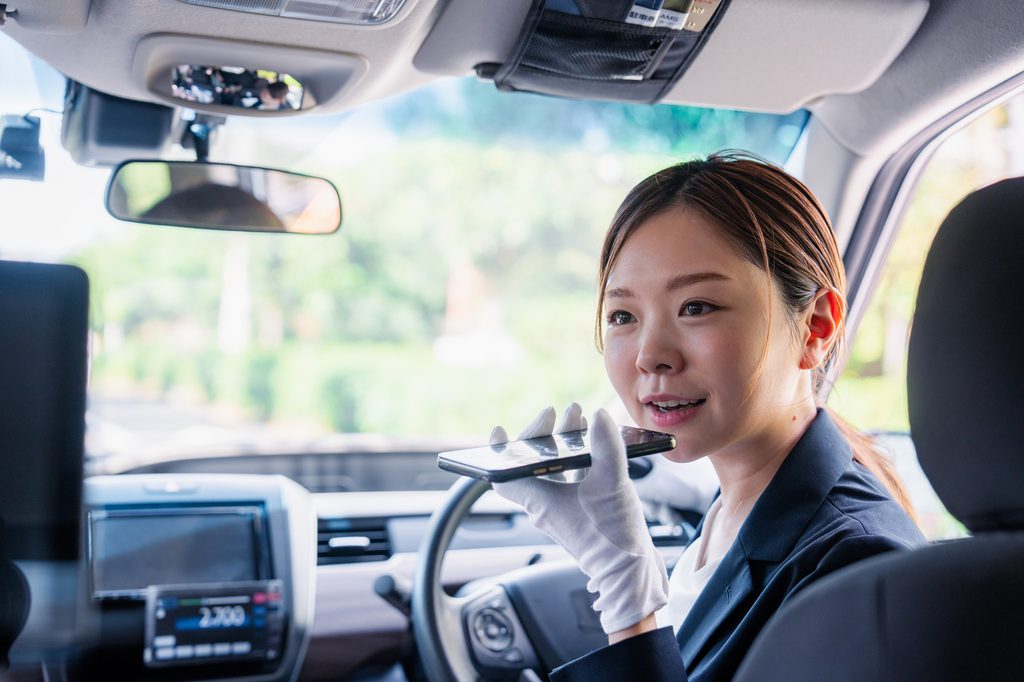
All in all, you don’t need to learn Japanese before visiting Japan. A few basic phrases are useful, but a phone with a translation app is likely to be more valuable than a last-minute vocab cram session on the flight over.
What matters more is how you approach the interaction. Point at your phone, gesture, and say sumimasen. Try a little Japanese. Most importantly, be patient when the other person struggles with English, or can’t reply in English at all.
And if everything fails, there’s a human backup. The Japan Visitor Hotline operated by JNTO is available 24 hours a day, 365 days a year in English, Chinese, and Korean. Just give them a call at 050-3816-2787 (+81-50-3816-2787 from overseas); they can help you with emergencies, natural disasters, and general tourist information.
Japan is becoming a more international destination, including outside its traditional tourist centers. But while the country is changing, you don’t have to speak Japanese to keep up with it. You just have to accept that sometimes, the person helping you doesn’t speak your language either.
Keep reading



Sources
「日本語がまったく話せない状態で日本旅行ってどれくらいヤバいの?」外国人の問いかけに日本人的には「英語くらいわかるだろ?」みたいなタイプじゃなければOKでしょ Togetter
正直日本人が嫌がるのって「英語くらい分かるだろ?え?…チッ…差別主義者め」みたいな態度であって @subchappy on X
訪日外国人旅行者の受入環境に関する調査を実施しました ~前回調査に引き続き、旅行中の困りごとは「ごみ箱の少なさ」が最多~ 観光庁
令和7年度「訪日外国人旅行者の受入環境整備に関するアンケート」結果概要 観光庁
令和7年度「訪日外国人旅行者の受入環境整備に関するアンケート」調査結果 観光庁
令和6年度「訪日外国人旅行者の受入環境整備に関するアンケート」調査結果 観光庁
訪日外国人旅行者の受入環境に関する調査を実施しました ~旅行中「困ったことは無かった」と回答した割合が大幅増~ 観光庁
訪日外国人旅行者の受入環境に関する調査を実施しました 観光庁
宿泊旅行統計調査(2025年(令和7年)12月・第2次速報、2026年(令和8年)1月・第1次速報)及び(2025年(令和7年)・年間値(速報値)) 観光庁
宿泊旅行統計調査(2025年・年間値(速報値)) 観光庁
観光地域における案内表示等の充実 観光庁
地域観光資源の多言語解説整備促進事業 観光庁
「インバウンド受入環境整備高度化事業」の三次公募を開始します 観光庁
Japan Visitor Hotline Japan National Tourism Organization
EF EPI 2025 Fact Sheet: Japan EF Education First
第2回「飲食店のインバウンド対策に関する意識調査 2023」:コロナ前の3倍、インバウンド外食市場。進まない飲食店側の対策、7割以上が未実施 TableCheck