
Japan’s tourism boom shows no signs of slowing down. In many ways, traveling here has never been easier. Social media feeds are filled with restaurant recommendations, “must-see” locations, train tips, and viral itineraries all promising the “perfect” trip.
Yet despite the endless amount of information available, the same regrets continue surfacing again and again among travelers visiting Japan.
Working in tourism here, certain patterns become impossible not to notice. Much of today’s Japan travel content is designed to optimize, aestheticize, and algorithmically package the experience of being here. But actually enjoying Japan requires knowing the things that don’t go viral.
After years of living in Japan and coordinating tours professionally, here are some of the most common travel regrets and recurring mistakes we continue to see (and how to avoid them).
Confusing “no dietary restrictions” with “I eat everything”
Almost everyone coming to Japan is excited about one thing: the food. Some may love samurai, others may love anime. Universally? It’s the cuisine that everyone is anticipating the most, and for good reason: Japan really is one of the best places in the world to eat.
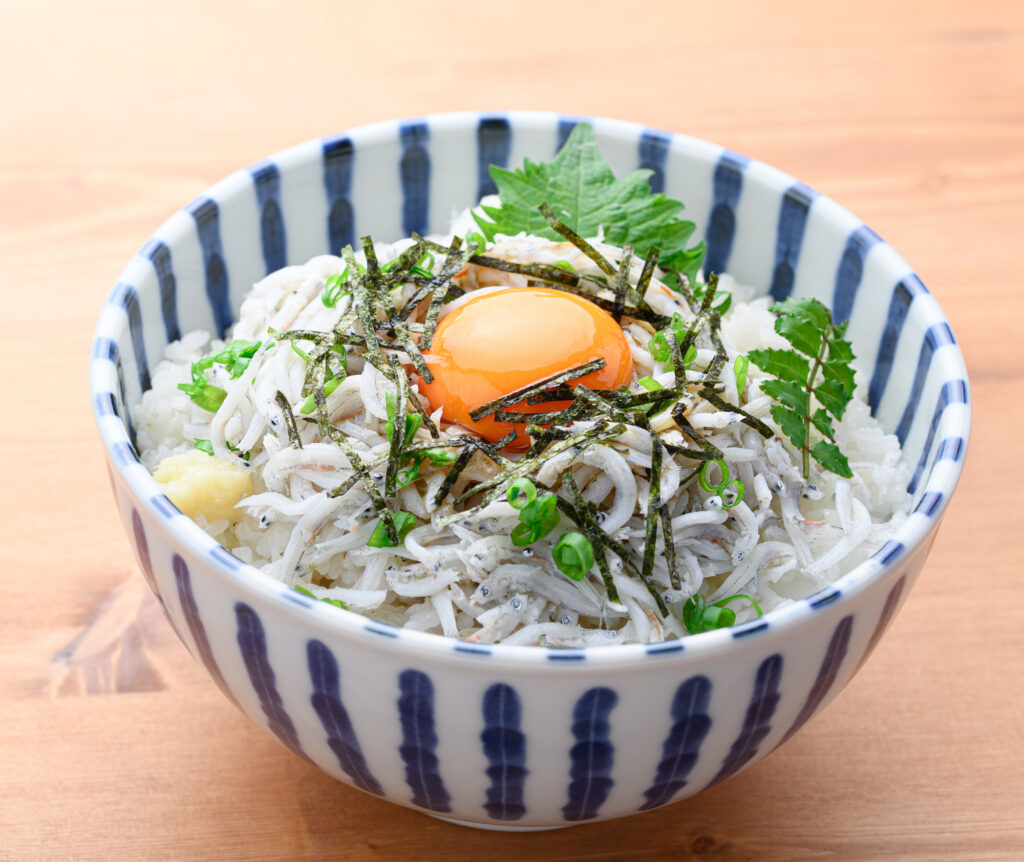
One of the most common mistakes we see, however, is travelers assuming that because they are adventurous eaters back home, they’re prepared to “eat anything” in Japan. They find themselves excited for a luxurious chef’s choice omakase experience, only to pale at horse sashimi, whale, shirako, shirasu, organs, or other unique Japanese ingredients they were not remotely prepared for.
Having limits is normal and totally human. But if you’re three courses into an omakase meal where the plates are filled with things you’d rather refuse? Either many people feel pressured to perform adventurousness or, depending on the chef, repeatedly rejecting dishes can create an awkward situation for everyone involved.
In Japan, especially at smaller, more exclusive restaurants, meals are often carefully planned in advance. Substitutions may not be possible. That’s why the best dining experiences usually happen when expectations and reality actually match. Stick to a la carte for your first time with unfamiliar dishes, and take your time discovering what you like.
Turning every dinner into “the experience”
For many travelers, a trip to Japan is a lifelong dream. It could be their only chance to visit. Because of that, too many folks put immense pressure on themselves. Every dinner becomes The Experience: the impossible-to-book omakase counter, the viral café with a two-hour wait, the themed restaurant hidden in a basement, the list goes on. These experiences get stacked back-to-back, convinced that every meal in Japan must be extraordinary in order to justify the trip itself.
By the middle of the itinerary, however, it’s no longer enjoyable.
In fact, it’s downright miserable.
After several nights at ryokan or remote hotels where elaborate multi-course kaiseki dinners are already included, travelers are stuffed, socially exhausted, and quietly dreading yet another “must-have” dining experience they booked months earlier out of fear of missing out.
For ease, booking one or two special meals per major city is plenty. Some of the best experiences in Japan happen when there is room left to wander, slipping into a tiny soba shop because it smells good, grabbing convenience store snacks before a train ride, or finding a quiet café by accident.
Ironically, the meals people remember most are often the ones they never planned at all.
Underestimating how much preparation Japan requires

Japan is convenient. This gets repeated ad nauseam, really. The trains are efficient, the cities are safe, convenience stores seem to sell everything imaginable, and somehow even massive transit hubs continue functioning with near-mechanical precision.
In reality, Japan’s convenience works because of the behemoth of structure, timing, and social cooperation that exists underneath. Everything from railway operators to hotel service is a masterclass in synchronized infrastructure and civic mindfulness.
But what makes it feel effortless is precisely the amount of preparation, predictability, and mutual cooperation happening quietly behind the scenes at all times. Too many travelers arrive expecting the convenience to function automatically around them, without understanding the systems supporting it.
Take luggage forwarding, for example. Perhaps they didn’t know luggage forwarding between hotels even existed, or they asked the hotel concierge too late. That’s how they ended up standing on train platforms, sweating and panting after carrying two suitcases each up the stairs.
Others run into problems before they even arrive. Travelers with tourist visas are told they can’t even board the plane without a return or onward ticket. This is for a good reason; if Japanese immigration fears someone is entering to remain illegally, they can deny entry into the country. That same airline can become financially responsible for flying that passenger back out of the country. What once seemed like a flexible trip has now become a financial headache.
Then there’s the train system. People think the trains in major cities must be convenient. And they are. But then they get to Shinjuku Station and realize they’re not necessarily easy for first-timers to navigate. Heck, even locals complain about how confusing Shinjuku and Shibuya Stations are.
Japan often feels effortless once you understand the system. The difficult part is realizing there is a system in the first place. That’s why we wrote a full five-day e-mail series (it’s free!) that covers preparation for your Japan trip in depth.
Forgetting that your body is traveling too
Planning for your trip to Japan itself is one thing. Preparing physically is another.
Like going grocery shopping while hungry, many travelers build itineraries based on what sounds exciting in the moment rather than what they will realistically be capable of sustaining once the trip actually begins.
On paper, waking up at sunrise for a bamboo forest, crossing three cities in one day, squeezing in nightlife afterward, and surviving on convenience store snacks alone can seem manageable. In reality, many travelers hit a wall halfway through the trip: jet-lagged, dehydrated, overheated, sleep-deprived, and hauling luggage through enormous train stations.
Every year, we see visitors underestimate just how physically demanding Japan can be. The amount of walking alone catches many people off guard, especially in cities where train transfers can involve multiple flights of stairs and long underground corridors. Others try to power through exhaustion because they feel guilty resting during a “once-in-a-lifetime” vacation.
Summer becomes especially brutal for unprepared travelers. Many arrive imagining a cinematic anime summer only to encounter heat and humidity severe enough to make them physically ill. If you’re visiting Japan in summer, preparing for the heat is not optional. It’s a genuine health and safety issue.
Japan is usually most enjoyable when travelers leave room for their body to keep up with the trip too.
Planning the trip for your social media account instead of yourself

One of the strangest changes in modern travel is how many people now experience a place twice: first through social media before arriving, and again in person while trying to recreate what they already saw online.
Japan has become especially vulnerable to this. Entire itineraries are increasingly built around viral “content locations,” algorithm-approved restaurants, and videos promising the “REAL Japan” or the “one thing you MUST do.”
A major problem when social media thrives on exaggeration.
Suddenly, travelers find themselves standing in hour-long lines for ramen that is only decent instead of actually life-changing. “Hidden gems” become flooded with tourists recreating identical photos. Visitors grow anxious over bizarre etiquette advice insisting locals will hate them for using a fork, blowing their nose, or existing at the wrong volume level in public.
It’s almost a pity how often travelers stop treating Japan like a real place and instead begin treating it like a performance they must successfully execute.
In reality, most good trips are built from smaller, quieter moments: wandering into restaurants without viral fame, lingering somewhere because it feels interesting, or accepting that “authenticity” cannot be unlocked through a checklist.
Ironically, the more aggressively people chase the “perfect” Japan experience online, the further away from it they often end up feeling.
Assuming Japanese hospitality means infinite flexibility
One of the biggest misunderstandings travelers have about Japan is confusing hospitality with flexibility.
People hear about omotenashi and imagine a kind of limitless accommodation where every request will somehow be gracefully absorbed into the system. In reality, Japanese hospitality functions because the system itself is being respected.
This becomes especially important with allergies and dietary restrictions. Japanese chefs often put immense care into preparation, and many broths, sauces, and seasonings contain ingredients travelers may not immediately realize are present. Dashi alone can contain fish, shellfish, soy, or other hidden allergens depending on preparation.
Because of this, walk-in requests for recipe modifications or strict cross-contamination prevention are frequently difficult to accommodate, especially at smaller restaurants. In many cases, modifying a dish on the fly is not simply viewed as an inconvenience, but as fundamentally altering the integrity of the meal itself.
As a result, some establishments may politely refuse service entirely if they cannot confidently guarantee a guest’s safety, particularly during busy hours or at smaller shops operating on fixed menus or ticket-vending systems.
If you have allergies or significant dietary restrictions, it is far better to communicate these needs well in advance. This is also one of the situations where contacting your hotel concierge (or hiring a tour guide) can make a massive difference before the trip even begins.
It’s true that Japan is often extraordinarily accommodating. But the country’s hospitality is built around mutual consideration, not the assumption that rules quietly disappear for individual convenience. The earlier you communicate your needs, the easier it will be to have them met. This is just one of many useful tips that will make your Japan trip go more smoothly; sign up for our free five-day trip planning guide to learn even more.
Memorizing “rules” instead of reading the room
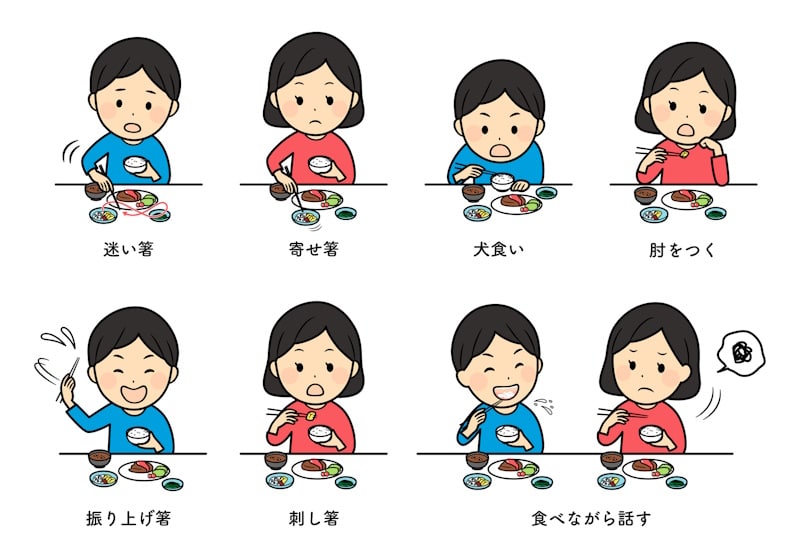
Many visitors have convinced themselves that they need to memorize an endless list of social rules. If they don’t, everyone around them will become deeply offended. The moment they get off the plane, they’re terrified of eating incorrectly, standing incorrectly, speaking at the wrong volume, or committing some mysterious etiquette violation that social media insists locals secretly hate.
In reality, most Japanese people don’t expect perfection from foreign visitors. (Heck, some of the “rules” are up for debate even among Japanese.) What they generally appreciate are travelers who are observant, considerate, and willing to pay attention to the atmosphere around them.
The simplest advice is often the most useful: pause for a moment and observe what the people around you are doing before acting. Are people standing quietly on the train? Is there an obvious flow to foot traffic? Are others lingering here, or moving quickly? Japan tends to operate heavily on reading the atmosphere rather than rigidly enforcing every social norm equally in every situation.
Ironically, many travelers become so anxious about “doing Japan correctly” that they stop behaving naturally altogether.
At the end of the day, nobody expects visitors to magically become Japanese. While guides certainly exist, people respond far more positively to someone who is friendly, self-aware, and easy to interact with than someone obsessively trying to perform cultural perfection.
Japan is a place, not a performance
None of this is meant to scare people away from Japan. Quite the opposite, really. We wouldn’t be so enthusiastic about showing the best that Japan has to offer if we did. But like any real place, it becomes far more enjoyable once it is allowed to exist beyond social media hype, perfectionism, or the pressure to optimize every moment.
Japan doesn’t require perfection from visitors nearly as much as the internet seems to think it does. More often than not, it simply asks people to pay attention.
After all, the best discoveries are hardly ever the ones algorithms planned for you.
Want to relax while on your Japan trip? Unseen Japan Tours can design a custom-tailored itinerary and provide Japanese-fluent guides who can deal with the minutiae so you can focus on enjoying yourself. Talk to us today about your unique Japan bucket list.