
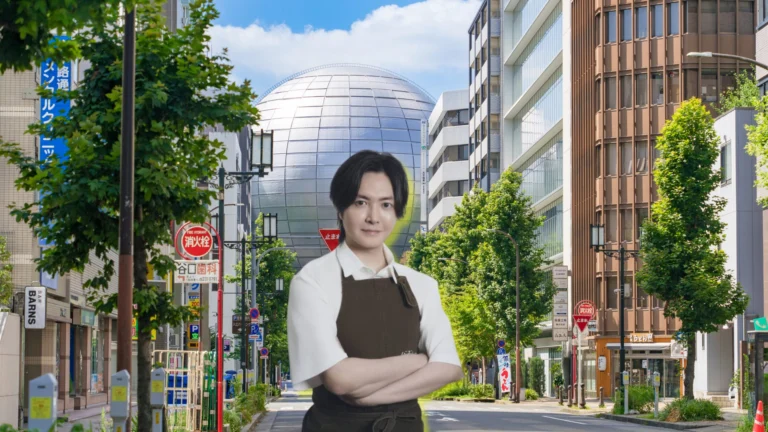
For a few days in July, one of Japan’s biggest food personalities started a nationwide argument with a single comment dissing Nagoya, saying it has no good restaurants.
People’s reactions aren’t really just about one cooking influencer’s opinion, though. It’s the backlash to Nagoya being a long-running joke of Japan’s least interesting major city.
Dismissing an entire city’s food culture?
On July 10, 2026, a fan asked cooking influencer Ryuji where to eat in Nagoya. His answer was blunt:
“Honestly, Nagoya really has no good restaurants, fewer than Tokyo.”
He went even further, saying that when he asked locals for recommendations, they usually suggested chain restaurants. So, he got the impression that people in Nagoya weren’t that interested in food.
Within hours of his remarks, thousands of people were arguing online. The most common reply defended chain recommendations because most travelers are looking to try Nagoya-meshi (名古屋めし), Nagoya’s trademark local cuisine, and many commonly recommended chains, like Yabaton and Misen, actually originated in Nagoya.
Meanwhile, others accused Ryuji of dismissing an entire city’s food culture based on a handful of experiences, saying he should behave more responsibly as someone with such widespread influence.
They may have a point. Ryuji is not, by any stretch of the imagination, an obscure internet personality. The 40-year-old Chiba native is one of Japan’s most influential cooking creators and is the CEO of Buzz Recipe Inc. He has built an audience of roughly 5.6 million YouTube subscribers, 2.3 million Instagram followers, and 1.9 million X followers. His cookbook, Ryuji’s Devil’s Recipes, even won the grand prize at Japan’s 7th Cookbook Awards.
Seeing the response, he joked that angry Nagoya residents were flooding him with restaurant recommendations and announced that he’d already booked a Shinkansen ticket for a “redemption” visit in late August.
A fundamental misunderstanding of Nagoya’s food culture
By July 11, however, the tone had changed. Ryuji posted a formal apology, admitting that his wording had been poor and that he had made “the subject too broad.”
He explained that he actually enjoys many Nagoya chain restaurants so much that he’s recreated their recipes himself. His criticism, he said, wasn’t meant to reject Nagoya’s food culture altogether.
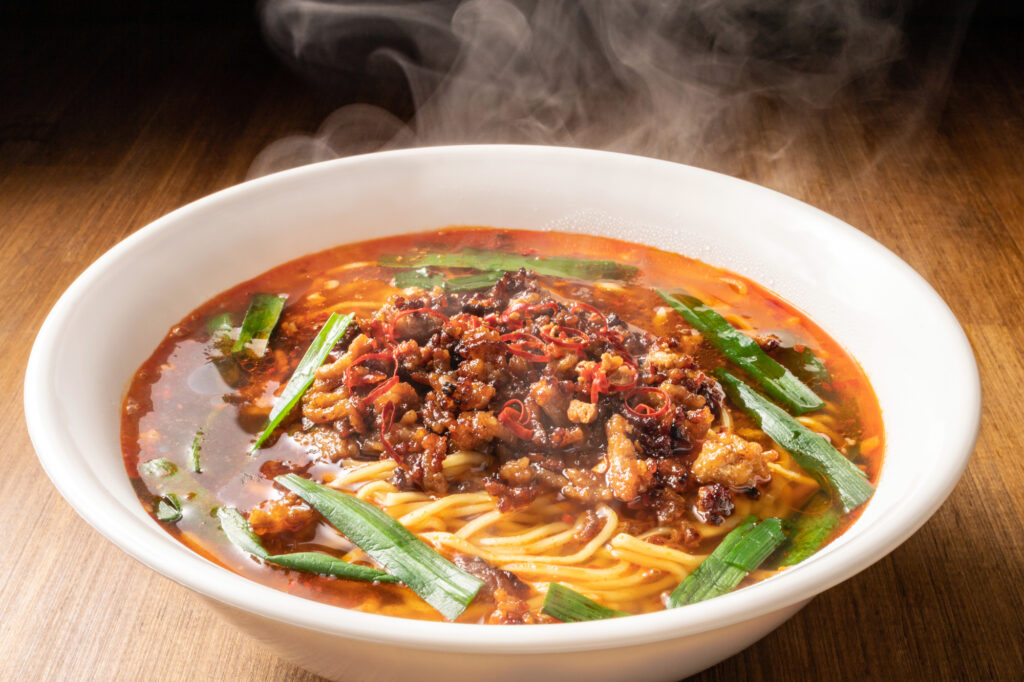
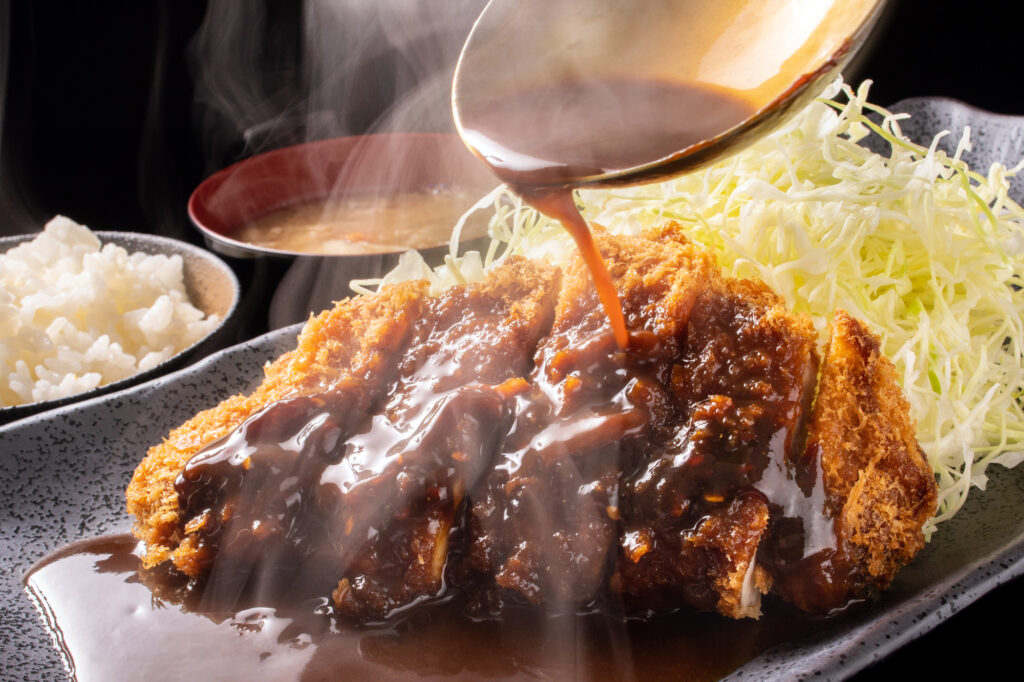
Nagoya-meshi is built around distinctive, strongly flavored comfort food. Visitors come specifically to eat misokatsu topped with rich hatcho miso sauce, peppery tebasaki chicken wings, bubbling bowls of miso-nikomi udon, ankake spaghetti covered in thick peppery sauce, tenmusu rice balls, and the city’s famously spicy Taiwan ramen.
By the way, Misen, the chain restaurant, actually invented Taiwan ramen. So, it makes perfect sense to recommend that if you want some original-recipe, 100% authentic Nagoya-meshi. And since many other regional chain restaurants got big perfecting Nagoya-meshi, they’re an obvious choice for recommendations rather than beating around the bush with “hidden gem”-type suggestions.
Why Nagoya ended up the butt of so many jokes
However, the reason this became such a controversy isn’t really chain-restaurant recommendations. This was more of a “straw that broke the camel’s back” situation because people have been making fun of Nagoya for decades.
Much of that teasing dates back to comedian Tamori in the early 1980s. His jokes exaggerated the local dialect, especially the drawn-out “-myaa” endings. He also popularized the deliberately exaggerated pronunciation “ebi-furyā” for fried shrimp.
The running gag spread nationwide through Waratte Iitomo! and became so influential that some older Nagoya residents later said the city has been looked down on ever since.
Not travel-worthy? An honest look at Nagoya tourism
That’s not the only factor, though. There’s also the practice of Nagoya-tobashi (名古屋飛ばし) or “skipping Nagoya.”
International concert tours have often bypassed the city. Madonna and Michael Jackson both skipped Nagoya during their 1987 Japan tours. Even the Nozomi Shinkansen initially passed through without stopping when it debuted in 1992, only adding a Nagoya station in 1997.
Today, industry experts say the real issue has largely been a shortage of large concert venues in the city rather than a deliberate snub. If that’s the case, the IG Arena, which opened in Nagoya last year, may well address this problem.
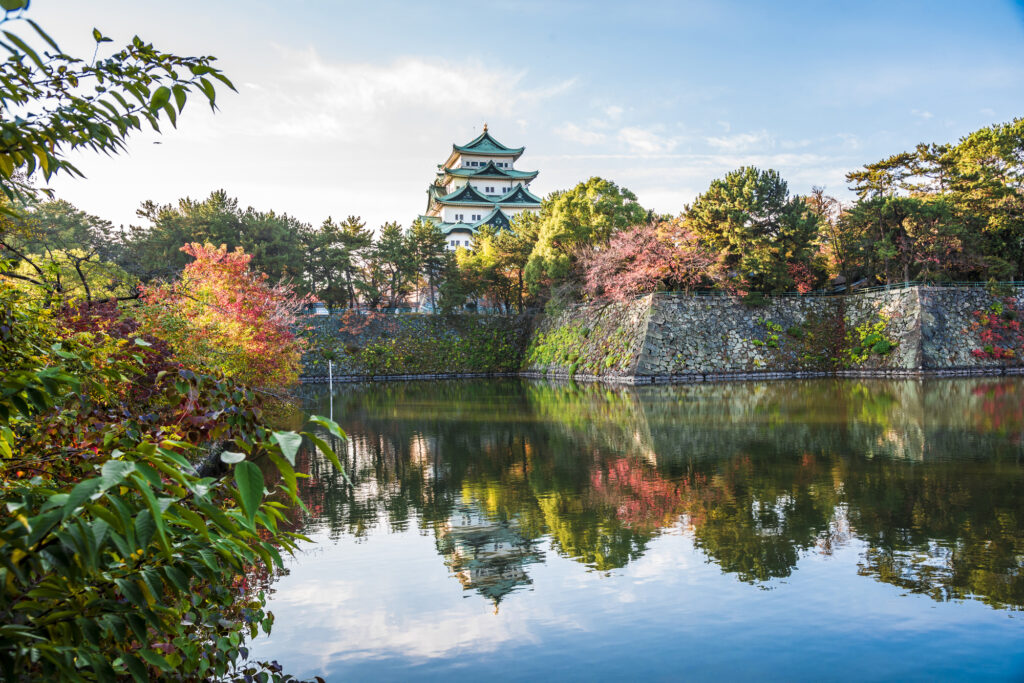
However, that doesn’t change the fact that when it comes to major cities that travelers look to visit, Nagoya is often low on the list. That’s despite some notable highlights such as its food, castles, and traditional Japanese arts and crafts.
Nagoya residents are well aware of their city’s reputation problem. Its own City Brand Image Survey ranked it last among eight major Japanese cities for overall appeal in both 2016 and 2018. Even more surprising, only about 17% of Nagoya residents described their own city as especially appealing, far below residents of cities like Fukuoka, Kyoto, and Yokohama.
One of the best cities in Japan to live in
While tourists often overlook Nagoya, people who actually live there tend to value it for completely different reasons.
SUUMO’s 2025 survey ranked Nagoya Station as Aichi Prefecture’s most desirable place to live. This is thanks to relatively affordable housing, low crime, excellent transportation, and its convenient central location. The Mori Memorial Foundation likewise ranks Nagoya at the top nationally for residential quality.
Our own data-driven rankings reach a similar conclusion, placing Nagoya among Japan’s best cities for both immigrants and overall livability. Strong job opportunities, reasonable housing costs, and practical everyday convenience consistently outweigh its weaker tourism appeal.
That may explain why locals defend it so fiercely. Nagoya isn’t trying to beat Kyoto’s historic legacy or Tokyo’s endless entertainment district. It’s a working city that people enjoy living in, even if visitors don’t always understand the appeal.
The greatest superpower: taking a joke in stride
Maybe because it’s gotten used to being dissed, Nagoya has a knack for turning jokes into marketing. Tamori’s famous “ebi-furyā” punchline eventually helped fried shrimp become one of the city’s signature foods.
Ryuji’s controversy followed the same pattern. After the initial outrage faded, thousands of fans began sharing genuine restaurant recommendations instead of insults. Hidden local favorites like Ajira, Miyauchi, and Jinsei Gyōza joined the growing list of places Ryuji now says he’ll visit during his promised redemption trip.
In the end, one provocative comment became an advertisement for Nagoya’s food scene. It’s an interesting bit of reverse psychology: the fastest way to get people talking about a city’s cuisine is to tell them it isn’t worth eating.
Keep reading

Sources
料理研究家・リュウジ氏が「名古屋はマジで美味しい店ないです」発言を謝罪…「主語を大きくしあたかも名古屋の食文化全てが美味しくないかのように誤解させてしまった」と説明 Togetter
リュウジ氏 大炎上の「名古屋はマジで美味しい店ない」投稿を謝罪 「私の物言いが非常に悪く」 Yahoo!ニュース/スポニチアネックス
リュウジ氏「名古屋はマジで美味しい店がない」投稿が大炎上…「食に興味ない人が多そう」とも Yahoo!ニュース/スポニチアネックス
「めちゃくちゃ炎上してます」料理研究家・リュウジさん、「名古屋はマジで美味しい店ない」に“追いポスト” 中日スポーツ(中日新聞)
料理研究家・リュウジ氏「この発言、めちゃくちゃ炎上してます」 名古屋の名店紹介するファン続々で優しい世界に オリコンニュース
リュウジが名古屋ディス発言をしたが初めての案件動画は名古屋の蒲鉾屋カネサダなので恩を仇で返していないか?…これを巡る賛否が集まる Togetter
古くは江戸時代の徳川3代将軍の家光から…『名古屋飛ばし』の意外な歴史とイマ IGアリーナで“ハコの少なさ”解消なるか 東海テレビNEWS
エビフライは“させられた”名古屋名物か…全名古屋に激震走った『タモリ発言』 逆境から一大ブランド築く 東海テレビ
「最も訪れたくない」街、また名古屋 “魅力ない”をどう抜け出す? ITmedia ビジネスオンライン
街の魅力度ランキングで愛知県が7位。県庁所在地・名古屋市の「魅力がない」も返上か?(大竹敏之) Yahoo!ニュース/大竹敏之(エキスパート)
愛知「住みたい街ランキング2025年版」進化する「名古屋」が不動の1位! SUUMOジャーナル