
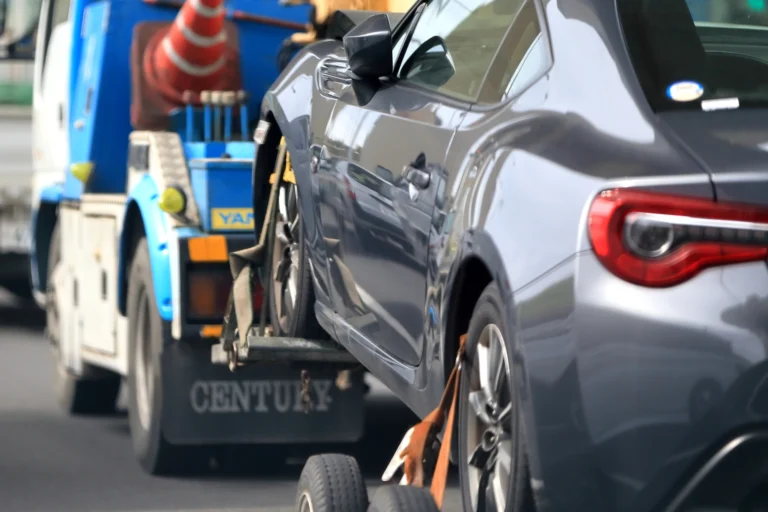
Turns out, Japan has a problem with foreign drivers having a lot of car accidents. Their solution is surprisingly simple: more painted lines on roads, more rubber poles, and clearer signs. The spirit behind it seems to be welcoming overseas visitors while recognizing that driving in a foreign country can be difficult.
Foreign driver right-turn crashes exceed local rate by 2.7x
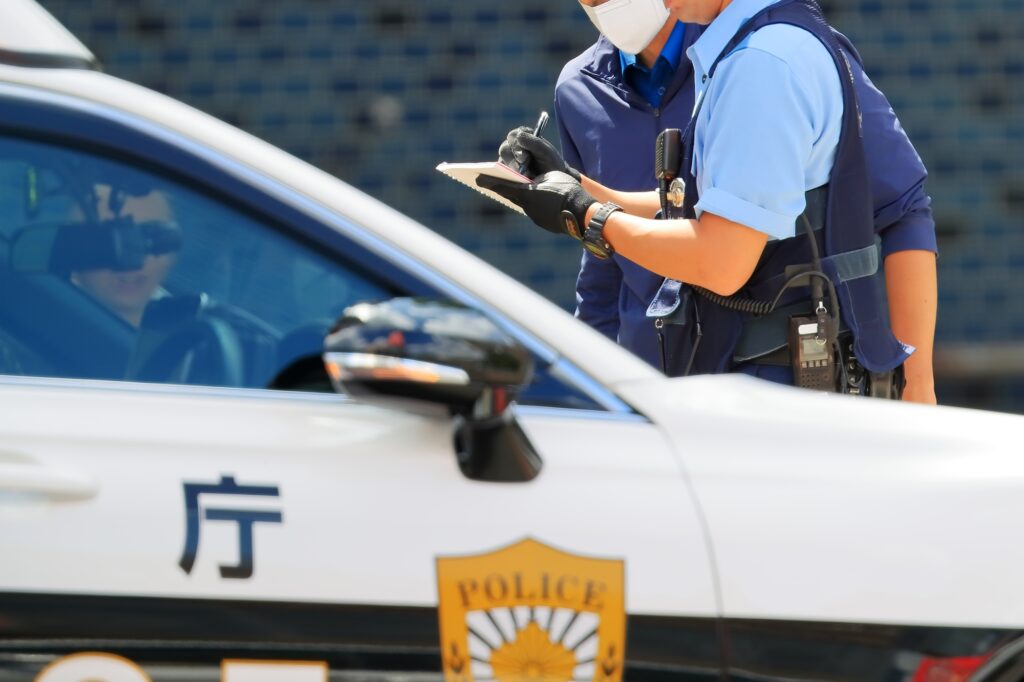
Recently, government data revealed that foreign drivers are far more likely than Japanese drivers to crash while making right turns. (2.7 times more, to be exact)
The reason doesn’t take much brainpower to figure out. Japan drives on the left side of the road, so making a right turn means crossing oncoming traffic. Visitors from countries where people drive on the right often have years of muscle memory telling them to approach intersections a specific way.
Thus, it makes mistakes far more likely, especially the first few days behind the wheel. Maybe the problem could be avoided by calling an Uber or taxi instead, but that would get expensive.
The problem has become all the more apparent in recent years thanks to the boom in inbound tourism. According to data from the National Police Agency, rental-car accidents involving drivers with international or foreign licenses increased from 47 in 2020 to 212 in 2025. (Note: my guess is that this data only includes traffic accidents that were serious enough to get the police involved. The actual number of accidents for foreign license-holding drivers in rental cars across the country may be higher.)
Granted, those numbers remain relatively small compared to the countless rental-car trips each year. It’s also worth noting that 212 is only slightly higher than pre-pandemic levels, where accidents ranged from 134 to 208 between 2016 and 2019. But the ministry’s concerns are understandable since the recent boom in tourism may mean the problem will get worse.
The solution: making directions as clear as possible
Rather than relying only on education campaigns, Japan’s Ministry of Land, Infrastructure, Transport and Tourism announced on July 17, 2026, that it will install new physical road safety measures on the roads themselves.
The new measures include colored pavement showing the proper path for right turns, rubber poles designed to keep drivers from drifting into oncoming lanes after completing a turn, additional road markings, and multilingual signs reminding motorists that traffic keeps left in Japan.
They’re simple, inexpensive changes, but that’s exactly the point. Instead of expecting every visitor to immediately adapt to unfamiliar road rules, the roads themselves will provide constant visual guidance.
The changes will begin on nationally managed highways surrounding three major airports: New Chitose Airport in Hokkaido, Fukuoka Airport in Kyushu, and Naha Airport in Okinawa. The project will be managed by both the above-mentioned ministry and the Japan Tourism Agency. The work is scheduled to be completed during the current fiscal year, which runs through March 2027.
Why only those three airports?
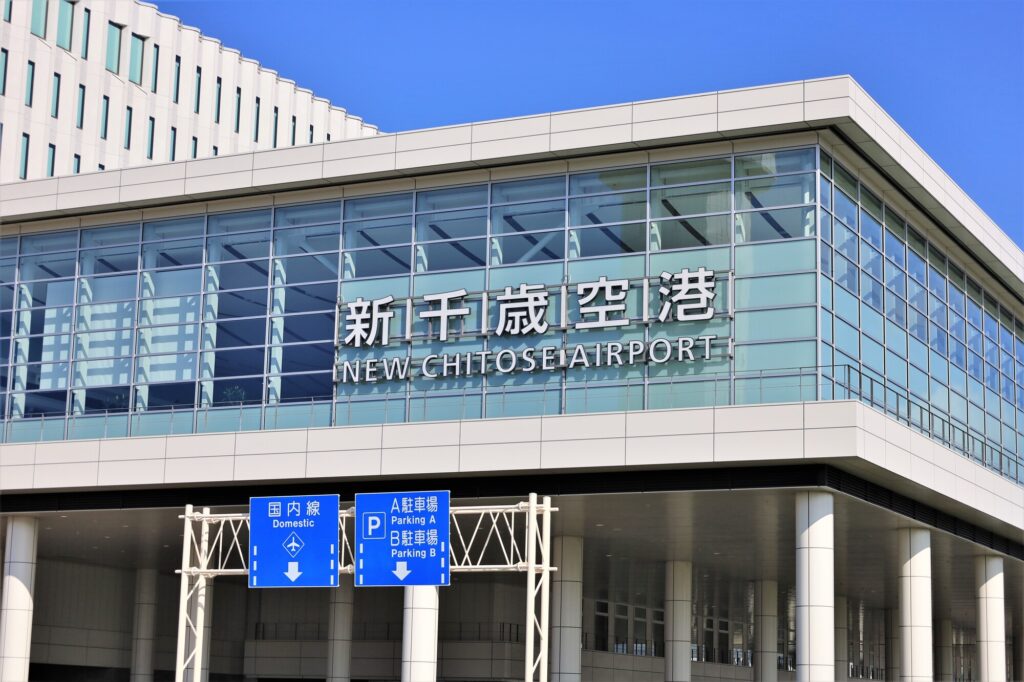
The choice of locations wasn’t arbitrary. A 2019 study published in the journal Traffic Science found that foreign tourists renting cars tend to be in those three regions: Hokkaido, Kyushu, and Okinawa.
Unlike Tokyo or Osaka, which have extensive public transportation, these areas encourage visitors to rent cars. Having your own car makes it easier to explore national parks, coastlines, hot springs, and rural attractions.
The same research also figured out exactly where foreign drivers have the hardest time. Near-miss incidents occurred disproportionately at small intersections without traffic lights and on roads lacking median strips.
Researchers also found that those from East and Southeast Asia committed relatively more right-of-way violations. These included many judgment errors that can lead to crossing and turning collisions.
Of course, roads around those three airports are just the beginning. The ministry implied that it may implement these safety measures on more roads. While the exact regions haven’t been decided, there are some front-runners.
Another danger zone of note
One area stands out as an especially serious hotspot: Mount Fuji. According to FNN Prime Online, rental-car accidents involving foreign tourists around the Fuji area have increased more than 20-fold over the past four years, reaching 975 incidents in 2025. Most were fairly minor, but five of those crashes resulted in injuries. By the end of May 2026 alone, authorities had already recorded 566 accidents, suggesting another busy year ahead.
In response, Yamanashi Prefectural Police took the educational route, distributing warning leaflets in seven languages to arriving visitors.
When you look at the individual crashes themselves, it becomes clear that a lot of the accidents were the result of simple misunderstandings. A rental-car manager told FNN that many visitors cannot read Japan’s Japanese-only “Stop” signs (written as 止まれ). So, the rental car agency has to explain common Japanese signs to foreigners before handing a car over.
In another instance, a Spanish tourist who police had stopped explained that in Spain, everyone drives on the right while Japan drives on the left.
Japan’s narrow roads play another role. For foreigners used to wider roads, they can be difficult to navigate. One local living near a concentration of Mount Fuji lodgings told reporters that they sometimes hear the scraping sound of rental cars brushing against curbs or roadside obstacles.
Balancing practical road improvements with incoming tourism
With the yen hovering around ¥162 to the US dollar, Japan remains an attractive destination for international travelers. And many rely on rental cars to reach scenic rural destinations beyond the country’s famous rail network.
The government’s latest response isn’t flashy or high-tech. It relies on better road design to compensate for predictable human mistakes. Granted, it’s still too early to say if a stripe of paint or a well-placed rubber pole will be enough to prevent an accident. However, small changes can sometimes lead to a big impact, so a bit of clarity in road design may well go a long way.
Keep reading

Sources
国土交通省ら、訪日外国人のレンタカー交通安全対策を本格化、右折時事故は日本人の2.7倍、新千歳・福岡など空港周辺で先行実施 トラベルボイス(Travel Voice)
訪日外国人レンタカーの交通安全対策を空港周辺地域で本格展開します(報道発表資料) 国土交通省(MLIT)
国交省、訪日外国人レンタカーの「右折」に安全対策。新千歳・福岡・那覇空港で トラベル Watch (Impress)
国土交通省、訪日外国人レンタカーの交通安全対策を本格展開 新千歳、福岡、那覇空港周辺地域で先行実施 TRAICY(トライシー)
富士山周辺で外国人観光客のレンタカー事故が急増 「止まれ」標識や左側通行に戸惑い 事故は4年で20倍超 FNNプライムオンライン
事故統計を用いた訪日外国人レンタカー利用者の交通事故特性の基礎的分析(交通科学 Vol.50, No.1, 2019) 交通科学(J-STAGE)/葉健人・土井健司
令和7年度交通事故の状況及び交通安全施策の現況 令和8年度交通安全施策に関する計画(令和8年版交通安全白書) 内閣府